

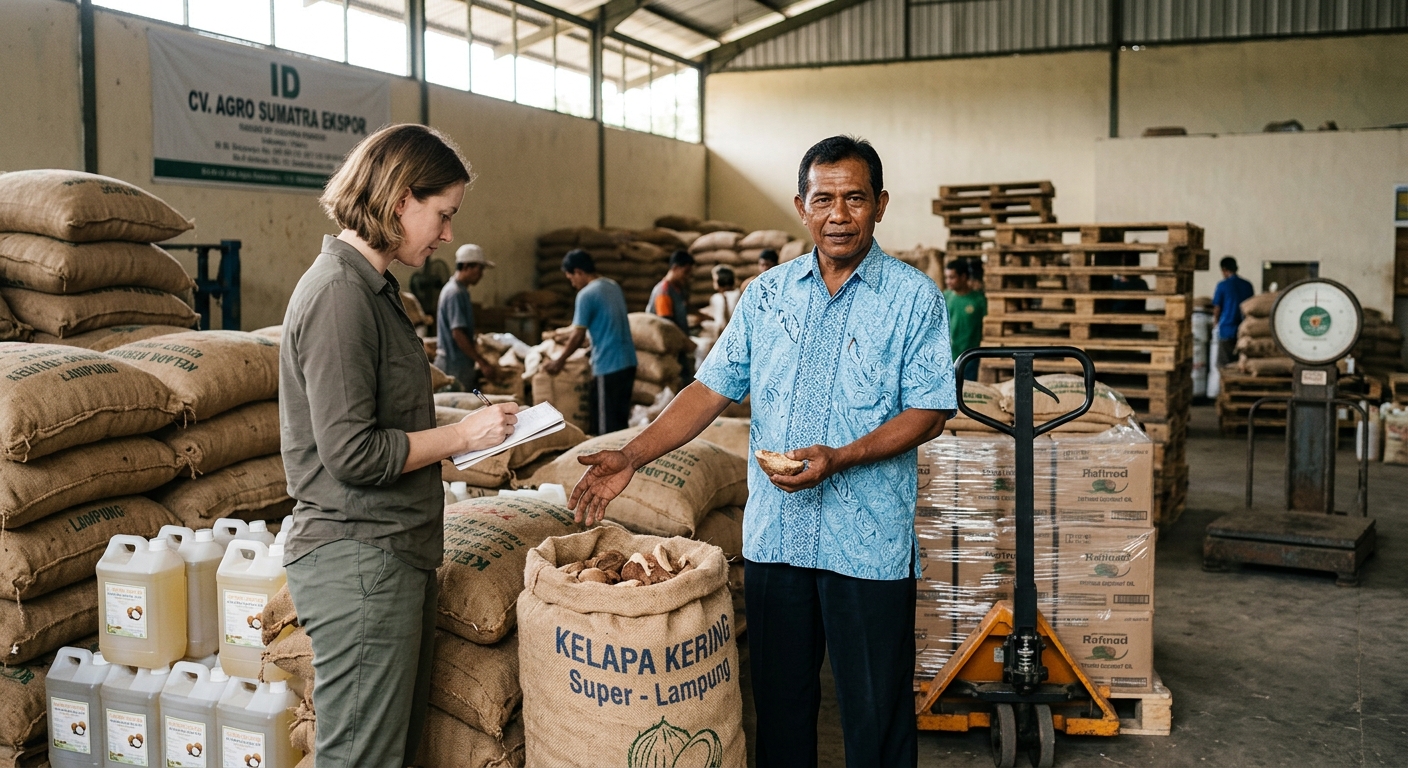
Introduction to Sourcing Coconut Products from Indonesia
Indonesia is recognized globally as a powerhouse in agricultural production, particularly when it comes to coconuts. With an ideal tropical climate, vast coastlines, and a deep-rooted agricultural history, the archipelago produces millions of tonnes of coconuts annually. For global businesses, sourcing coconut products from Indonesian suppliers offers a distinct competitive advantage, ensuring both volume and versatility. From culinary staples to innovative horticultural materials, the variety of coconut derivatives available is unmatched.
Understanding the intricacies of the Indonesian market is essential for successful international trade. Whether you are seeking premium coconut oil, desiccated coconut, coconut water, or agricultural byproducts, establishing a robust supply chain requires due diligence, cultural awareness, and logistical know-how. This guide provides an in-depth exploration of the sourcing process, offering strategic insights to help buyers navigate the dynamic landscape of Indonesian coconut exports.
The Advantage of Indonesian Coconut Suppliers
Choosing Indonesia as your primary source for coconut products comes with several strategic benefits. The sheer scale of production guarantees consistent supply, even for large-volume buyers. Furthermore, many local farmers and processors still utilize traditional, sustainable harvesting methods alongside modern processing technologies, resulting in high-quality yields.
Cost-effectiveness is another major draw. The combination of favorable labor rates, abundant raw materials, and supportive government export policies allows Indonesian suppliers to offer highly competitive pricing on the global stage. For companies looking to scale operations, partnering with a reliable Indonesian export company can significantly reduce overhead while maintaining product integrity.
Popular Coconut Products for Global Sourcing
The versatility of the coconut palm—often referred to as the ‘Tree of Life’—means almost every part of the plant can be commercialized. Below are the primary categories of coconut products sourced from Indonesia:
1. Culinary Coconut Products
The global demand for coconut-based food products has surged, driven by health-conscious consumers and the rise of plant-based diets. Key exports include:
- Coconut Oil: Both Virgin Coconut Oil (VCO) and refined, bleached, and deodorized (RBD) coconut oil are highly sought after for cooking, baking, and cosmetic applications.
- Desiccated Coconut: Grated and dried coconut meat, available in varying fat contents, is a staple in the confectionery and baking industries.
- Coconut Sugar: A low-glycemic natural sweetener derived from coconut palm sap.
- Coconut Milk and Cream: Essential ingredients in Asian cuisine and popular dairy alternatives.
2. Industrial and Horticultural Products
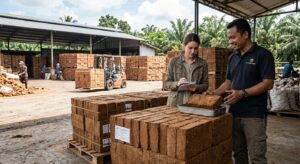
Beyond food, coconut byproducts hold massive value in agriculture and manufacturing. A prime example is coco peat (coir pith), an excellent soil conditioner and growing medium. For horticultural businesses, understanding the nuances of these products is crucial. We highly recommend reading A Complete Guide to Bulk Buying Coco Peat Blocks from Indonesia to maximize your procurement strategy. Additionally, coconut shell charcoal is heavily exported for use in shisha, barbecue briquettes, and the production of activated carbon.
Steps to Identifying Reliable Suppliers
The success of your import business hinges on the reliability of your supplier. Navigating the diverse landscape of Indonesian manufacturers requires a structured approach.
Conducting Market Research and Verification
Begin by leveraging B2B platforms, attending international trade fairs like Trade Expo Indonesia, and consulting with local trade attachés. It is imperative to verify the supplier’s legal standing, manufacturing certifications (such as ISO, HACCP, or Organic certifications), and export history. To gain deeper insights into this process, review How to Find Reliable Indonesian Manufacturers: A Comprehensive Guide.
Evaluating Production Capacity and Quality Control
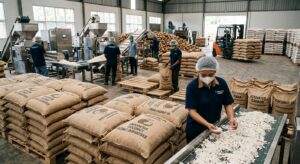
Before committing to a large order, assess the supplier’s facilities. Request samples, and if possible, arrange a factory audit either in person or via a trusted third-party inspection agency. Evaluate their quality assurance protocols, from the selection of raw coconuts to the final packaging stage.
Understanding Export Logistics and Regulations
Importing goods from Indonesia involves navigating a complex web of customs regulations, logistics, and documentation. Proper preparation prevents costly delays at the port of entry.
Essential Documentation
Typical export documents include the Commercial Invoice, Packing List, Bill of Lading, Certificate of Origin, and Phytosanitary Certificates (especially crucial for raw agricultural products like coco peat). Understanding international trade codes is also vital. For instance, while researching agricultural exports, you might also find value in the Comprehensive Guide to the Crude Palm Oil HS Code in Indonesia: Export Regulations and Classifications, which illustrates the importance of correct tariff classification in Southeast Asian trade.
Shipping and Freight Forwarding
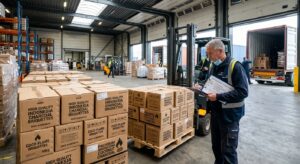
Most coconut products are shipped via sea freight. Depending on your volume, you will choose between Full Container Load (FCL) or Less than Container Load (LCL). Given the tropical climate, certain products like virgin coconut oil may require temperature-controlled shipping to maintain quality. Partnering with a freight forwarder experienced in Indonesian logistics is highly recommended.
Building Long-Term Supplier Relationships
In Indonesian business culture, relationships (often referred to as ‘kemitraan’) are paramount. Building trust through clear communication, prompt payments, and mutual respect goes a long way. Regular communication, preferably through video calls or apps like WhatsApp (which is ubiquitous in Indonesian business), helps bridge the geographical and cultural gap.
Conclusion
Sourcing coconut products from Indonesian suppliers presents a lucrative opportunity for global businesses. By capitalizing on Indonesia’s abundant resources, competitive pricing, and diverse product offerings, importers can secure high-quality goods that meet international demand. Success, however, requires diligent supplier verification, a firm grasp of export logistics, and a commitment to building strong, culturally aware partnerships. With the right approach, your business can establish a resilient and profitable supply chain from the heart of the world’s leading coconut-producing nation.
Frequently Asked Questions (FAQ)
What are the most popular coconut products exported from Indonesia?
The most popular exports include Virgin Coconut Oil (VCO), desiccated coconut, coconut sugar, coco peat, and coconut shell charcoal briquettes.
Do Indonesian coconut suppliers offer organic certifications?
Yes, many reputable Indonesian suppliers hold international organic certifications (such as USDA Organic and EU Organic), but it is essential to request and verify these documents during the sourcing process.
How long does shipping typically take from Indonesia to North America or Europe?
Ocean freight transit times vary, but generally, it takes about 30 to 45 days to ship goods from major Indonesian ports to North America or Europe, not including customs clearance time.
Why is coco peat from Indonesia highly regarded?
Indonesian coco peat is valued for its excellent water retention, aeration properties, and low EC (electrical conductivity) levels, making it a superior, eco-friendly growing medium for global horticulture.