

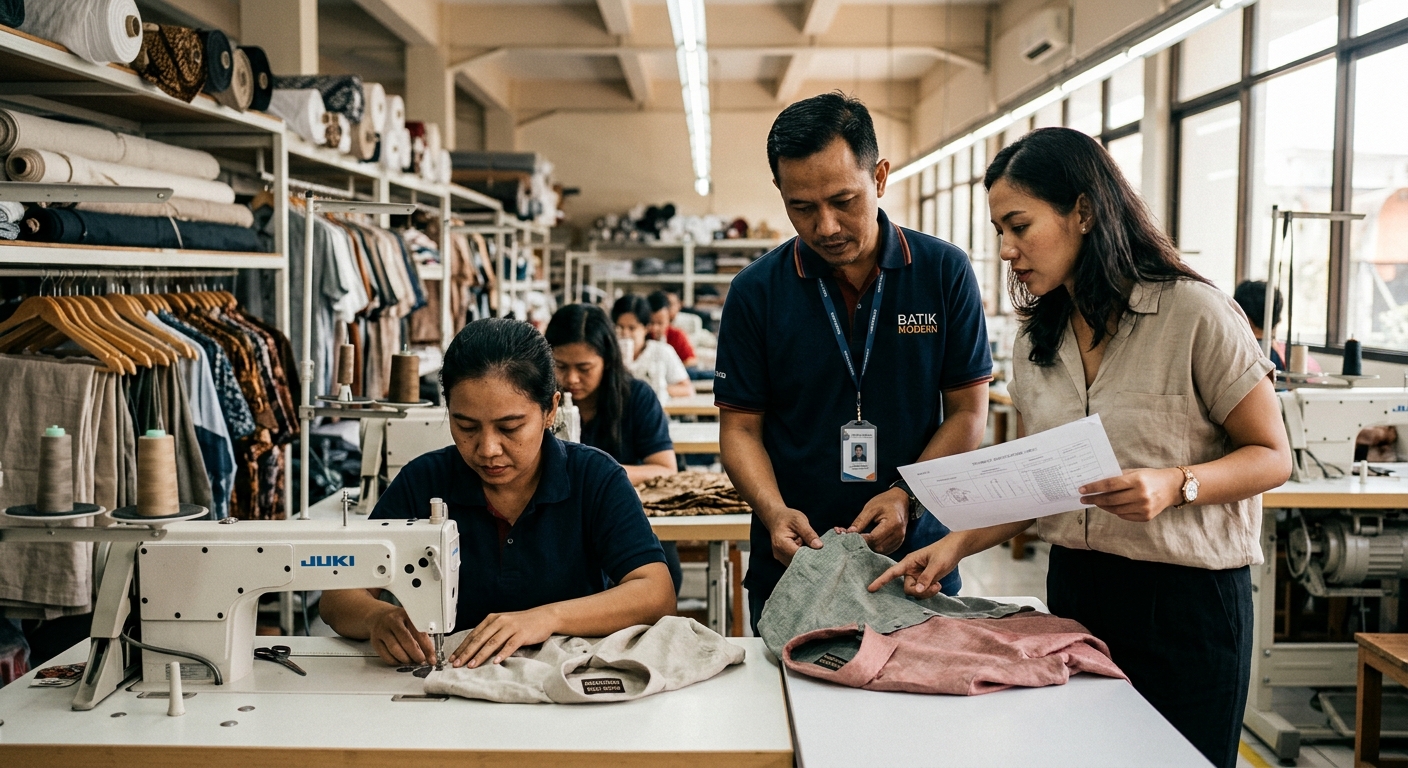
Introduction to Private Label Garment Manufacturing in Indonesia
In the highly competitive global fashion industry, finding a reliable and cost-effective production partner is paramount to a brand’s success. Over the past decade, Indonesia has emerged as a premier destination for fashion brands seeking high-quality private label garment manufacturers. Known for its rich textile heritage, skilled workforce, and competitive pricing, Indonesia offers a compelling alternative to traditional manufacturing hubs like China and Vietnam.
Private label garment manufacturing allows fashion brands to design their own clothing lines and have them produced by a third-party factory. The factory handles the sourcing of materials, pattern making, cutting, sewing, and finishing, while the brand retains full control over the design, branding, and marketing. This comprehensive guide will explore the intricacies of working with private label garment manufacturers in Indonesia, providing you with the knowledge needed to scale your fashion business efficiently and sustainably.
Why Choose Indonesia for Garment Manufacturing?
Indonesia boasts a robust textile and apparel sector that contributes significantly to its national economy. There are several strategic reasons why fashion brands are increasingly turning to Indonesian manufacturers for their private label needs.
Skilled Workforce and Craftsmanship
Indonesia has a long-standing tradition of textile production, most notably its world-renowned batik. This heritage translates into a workforce that is highly skilled in intricate sewing, embroidery, and fabric handling. Whether you are producing complex activewear, delicate evening gowns, or everyday streetwear, Indonesian factories have the technical expertise to meet stringent quality standards.
Competitive Production Costs
While maintaining high standards of quality, Indonesia offers competitive labor costs. This cost-efficiency allows emerging fashion brands and established retailers alike to maintain healthy profit margins without compromising on the ethical treatment of workers or the quality of the final product. Additionally, the Indonesian government has implemented various incentives to attract foreign investment in the manufacturing sector.
Sustainable and Ethical Manufacturing Practices
As global consumers become increasingly conscious of the environmental and social impact of their clothing, fashion brands are under pressure to adopt sustainable practices. Many private label garment manufacturers in Indonesia are leading the charge by obtaining certifications such as GOTS (Global Organic Textile Standard) and Fair Trade. These factories prioritize eco-friendly dyes, waste reduction, and fair labor practices, aligning with the values of modern consumers.
The Process of Working with Private Label Manufacturers
Partnering with a private label manufacturer in Indonesia involves a systematic process to ensure that your creative vision is accurately translated into the final product. Understanding this workflow is essential for a smooth and successful collaboration.
1. Developing the Tech Pack
The foundation of any successful garment production is a detailed tech pack. A tech pack is a comprehensive document that contains all the technical specifications of your design. This includes flat sketches, measurements, material requirements, stitching details, and branding placement. Providing a clear and accurate tech pack to your Indonesian manufacturer minimizes the risk of miscommunication and costly errors during the sampling phase.
2. Sourcing and Sampling
Once the manufacturer reviews your tech pack, the next step is sourcing the necessary fabrics and hardware. Indonesia has a vast domestic supply chain for textiles, including cotton, rayon, and synthetic blends. After the materials are sourced, the factory will produce a prototype or sample. This sample allows you to evaluate the fit, fabric quality, and overall construction of the garment. It is common to go through two or three rounds of sampling before approving the final prototype for mass production.
3. Mass Production and Quality Control
Upon sample approval, mass production begins. Reputable Indonesian manufacturers employ strict quality control (QC) measures at every stage of the production line. This includes inspecting the raw materials upon arrival, monitoring the cutting and sewing processes, and conducting a final inspection of the finished garments before they are packaged.
| Production Stage | Key Activities | Client Involvement |
|---|---|---|
| Design & Tech Pack | Creating sketches, measurements, material specs | High – Client provides all details |
| Sampling | Sourcing fabrics, creating prototypes, fitting | Medium – Client reviews and approves |
| Mass Production | Cutting, sewing, finishing, quality control | Low – Manufacturer handles operations |
| Packaging & Shipping | Labeling, boxing, logistics coordination | Medium – Client provides shipping details |
Navigating Export Logistics and Shipping
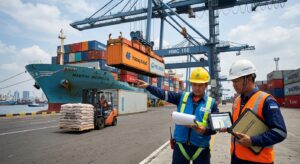
Once your garments are produced and packaged, the next critical step is getting them from the factory floor in Indonesia to your warehouse or distribution center. Indonesia has heavily invested in its infrastructure, upgrading major ports to facilitate smoother international trade.
Understanding international shipping terms is vital when negotiating with your manufacturer or freight forwarder. Depending on your agreement, you may be responsible for the goods once they leave the factory, or the manufacturer may handle the logistics until the goods reach your destination port. For a deeper understanding of shipping terms from this region, refer to Incoterms for Shipping from Surabaya Port: A Complete Guide.
Understanding Customs and Export Regulations
International trade involves navigating a complex web of customs and export regulations. When importing garments from Indonesia, you must ensure that all documentation is accurate and compliant with both Indonesian export laws and the import regulations of your destination country. This typically includes commercial invoices, packing lists, certificates of origin, and bill of lading documents.
Failure to comply with these regulations can result in severe delays at customs, additional fees, or even the confiscation of your goods. Navigating the legalities is crucial. We highly recommend reviewing Indonesia Customs Export Regulations for B2B: A Comprehensive Guide to ensure your shipment process is seamless and compliant.
Expanding Your Private Label Beyond Garments
Many successful fashion brands eventually look for ways to expand their product offerings to increase customer lifetime value and brand loyalty. Once you have established a reliable supply chain for your garment line, you might consider diversifying into related lifestyle categories. Indonesia is not only a hub for textiles but also a growing center for beauty and personal care manufacturing.
Adding a customized line of skincare or cosmetics can perfectly complement a fashion brand. Many brands choose to diversify their product lines. If you are interested in this route, you can read Private Label Cosmetics Manufacturing Indonesia: A Complete Guide.
Finding the Right B2B Partner in Indonesia
The success of your private label heavily depends on the manufacturing partner you choose. With thousands of factories operating in Indonesia, finding the one that perfectly aligns with your brand’s size, budget, and ethical standards can be daunting. It is essential to conduct thorough due diligence, request factory audits, and verify their past work with other international clients.
Utilizing dedicated B2B platforms can significantly reduce the time and effort required to find and vet potential manufacturers. These platforms often verify suppliers and provide secure communication channels. To streamline your sourcing, check out The Ultimate Guide to Choosing a Reliable Indonesian Export Import Platform.
Conclusion
Private label garment manufacturers in Indonesia offer a powerful combination of skilled craftsmanship, competitive pricing, and an increasing commitment to sustainable production methods. By understanding the manufacturing process, from tech pack development to quality control, and by navigating the logistics and export regulations effectively, fashion brands can build highly profitable and scalable businesses. Whether you are launching a new streetwear brand or expanding an established boutique, Indonesia provides the infrastructure and talent necessary to bring your fashion vision to life. Remember to do your due diligence, communicate clearly, and leverage the right B2B platforms to ensure a successful and long-lasting manufacturing partnership.
Frequently Asked Questions (FAQ)
What is the minimum order quantity (MOQ) for garment manufacturers in Indonesia?
The Minimum Order Quantity (MOQ) varies significantly depending on the factory. Some boutique manufacturers catering to startups may accept MOQs as low as 50 to 100 pieces per style, while larger, more established factories typically require MOQs ranging from 500 to 1,000 pieces per style.
How long does the production process take?
Generally, the sampling phase takes about 2 to 4 weeks. Once the sample is approved, mass production can take anywhere from 4 to 8 weeks, depending on the complexity of the garments, the availability of fabrics, and the factory’s current production schedule.
Can Indonesian manufacturers source eco-friendly fabrics?
Yes, many Indonesian garment manufacturers have adapted to the growing demand for sustainable fashion. They can source eco-friendly materials such as organic cotton, bamboo, Tencel, and recycled polyester, and many hold international sustainability certifications.
Do I need to visit the factory in person?
While visiting the factory in person is highly recommended to build relationships and assess the working conditions firsthand, it is not strictly necessary. Many successful brands communicate effectively through email, video calls, and by using reliable quality control agencies based in Indonesia to inspect the goods on their behalf.