

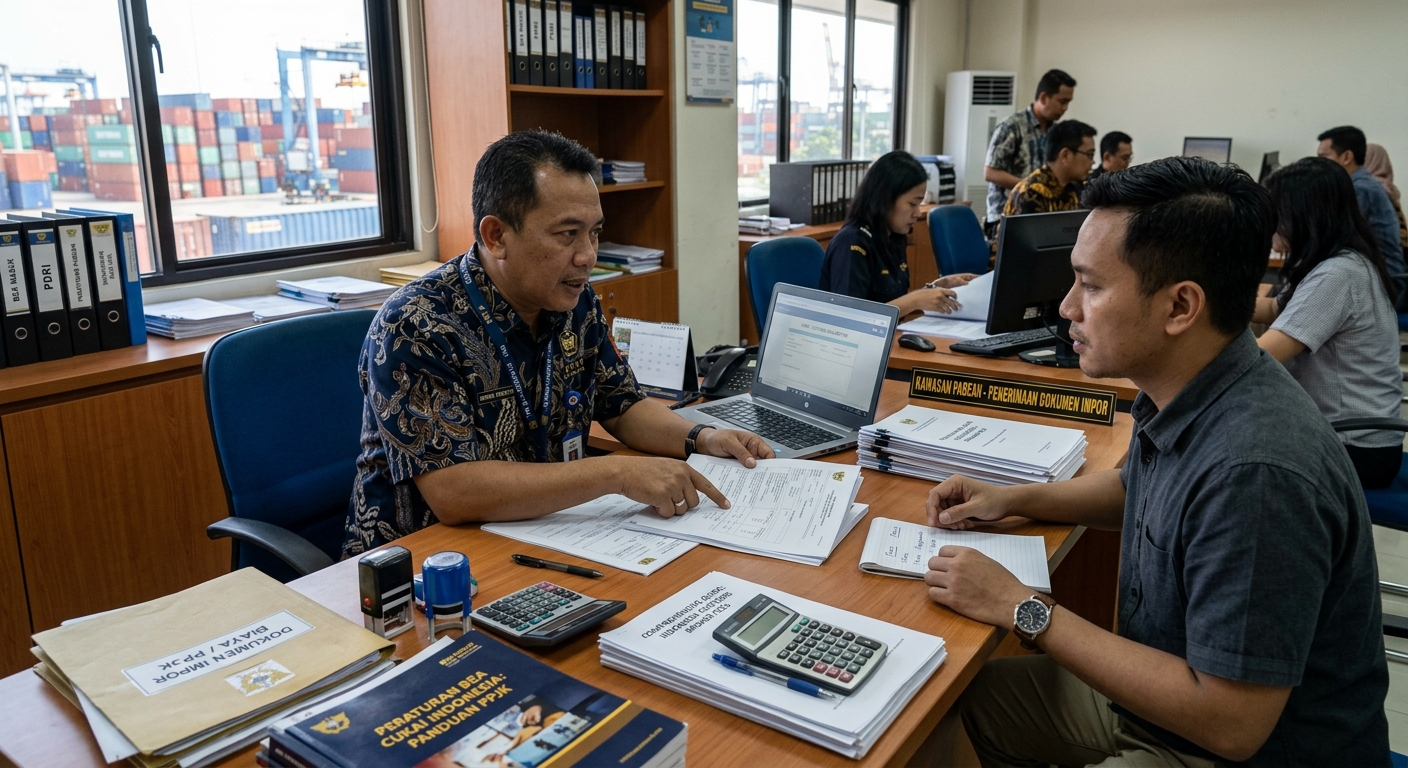
Understanding Indonesia Customs Regulations and Broker Fees
Navigating the complexities of international trade in Indonesia requires a deep understanding of its customs regulations and the associated fees. Whether you are an experienced importer or a business looking to source high-quality Indonesian commodities, ensuring compliance with the Directorate General of Customs and Excise (DGCE) is critical. Utilizing a licensed customs broker can streamline this process, minimizing delays and unexpected costs.
Indonesia’s strategic location and rich natural resources make it a prime hub for global commerce. However, the regulatory landscape is stringent. Businesses must obtain an Importer Identification Number (API) and a Customs Identification Number (NIK) before commencing any import or export activities. Partnering with professionals like Indonesian trade experts can significantly ease the bureaucratic burden.
The Role of a Customs Broker in Indonesia
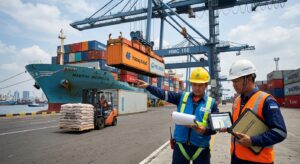
A customs broker acts as an intermediary between the importer/exporter and the Indonesian customs authorities. Their primary responsibilities include preparing and submitting necessary documentation, calculating taxes and duties, and ensuring that shipments comply with all local laws. Given the frequent updates to trade policies, a broker’s expertise is invaluable in avoiding costly penalties.
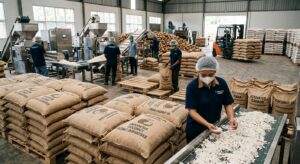
When sourcing specific agricultural or natural products, the expertise of a broker becomes even more specialized. For instance, if you are looking into A Complete Guide to Importing Crude Palm Oil from Indonesia, a broker will guide you through the specific export levies, quotas, and sustainability certifications required by the Indonesian government.
Breakdown of Customs Broker Fees
Customs broker fees in Indonesia are not standardized by the government; instead, they vary based on the complexity of the shipment, the volume of goods, and the specific services rendered. Understanding these costs is essential for accurate budget forecasting.
- Standard Clearance Fees: This is a flat rate charged per shipment for handling standard import/export declarations (PIB/PEB).
- Handling and Processing Fees: Additional charges for physical inspection handling, document courier services, and port coordination.
- Specialized Commodity Fees: Certain goods require extra permits from various ministries (e.g., BPOM for food, Ministry of Agriculture for plants). Brokers charge extra for processing these specific licenses.
- Storage and Demurrage: While not a direct broker fee, brokers can help negotiate or minimize these costs if goods are held at the port.
Estimated Fee Structure
| Service Type | Estimated Cost (IDR) | Description |
|---|---|---|
| Standard Customs Clearance | 500,000 – 1,500,000 | Basic processing of PIB/PEB documents per shipment. |
| Permit Processing (Lartas) | 1,000,000 – 5,000,000+ | Handling restricted goods requiring special ministry approvals. |
| Physical Inspection Assistance (Jalur Merah) | 750,000 – 2,000,000 | On-site broker representation during a Red Channel inspection. |
Key Customs Regulations and Import Duties
Indonesia employs a harmonized system (HS) code to classify goods, which determines the applicable import duties and taxes. Importers must be prepared to pay Import Duty (Bea Masuk), Value Added Tax (VAT or PPN), and Income Tax Article 22 (PPh 22). The rates vary significantly depending on the product category and the existence of Free Trade Agreements (FTAs), such as the ASEAN Free Trade Area (AFTA).
Furthermore, Indonesia implements a risk-based channel system for customs clearance:
- Green Channel: Quick clearance with only document verification.
- Yellow Channel: Requires additional document scrutiny before release.
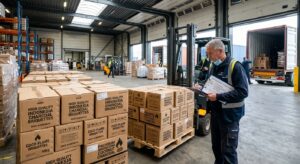
- Red Channel: Mandatory physical inspection of the cargo and extensive document checks.
When dealing with unique products, compliance is vital. For example, reading A Comprehensive Guide to Bulk Sourcing Coconut Products in Indonesia will reveal the specific phytosanitary certificates and export documentation required to move agricultural goods smoothly through customs.
Restricted and Prohibited Goods (Lartas)
Indonesia maintains a strict list of prohibited and restricted items (Lartas). Goods such as certain chemicals, hazardous waste, and specific used capital goods require special import approvals (PI) and Surveyor Reports (LS) before they can be shipped. Attempting to import these without proper authorization will result in severe fines, confiscation, or re-export of the cargo.
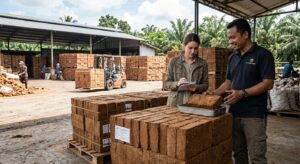
Exporters of popular Indonesian commodities also face specific regulations. If you are exploring the market for alternative energy or recreational products, checking A Complete Guide to Shisha Charcoal Briquettes Wholesale in Indonesia is highly recommended. Such commodities often require specific material safety data sheets (MSDS) and self-heating certificates for maritime transport compliance.
Tips for Choosing the Right Customs Broker
Selecting a reliable customs broker is a strategic decision that can impact your supply chain efficiency. Consider the following when evaluating potential partners:
- Licensing and Certification: Ensure the broker is officially registered with the Indonesian customs authority (PPJK).
- Industry Experience: Choose a broker experienced in your specific product category, as they will be familiar with the exact HS codes and required permits.
- Transparency: A reputable broker should provide a clear, itemized quotation of their fees without hidden charges.
- Communication: Efficient communication is crucial, especially when navigating time-sensitive customs queries or physical inspections.
Conclusion
Successfully importing or exporting goods in Indonesia requires a comprehensive understanding of the local customs regulations, duty structures, and documentation requirements. The complexities of the Indonesian trade environment make hiring a proficient customs broker not just a convenience, but a necessity. By understanding the typical fees and ensuring your goods comply with all regulatory frameworks, you can mitigate risks, avoid costly delays, and optimize your international supply chain operations. Whether you are dealing in palm oil, coconut products, or charcoal briquettes, compliance is the key to sustainable trade in Indonesia.
Frequently Asked Questions (FAQ)
What is the difference between a Red, Yellow, and Green channel in Indonesian customs?
These channels determine the level of scrutiny a shipment receives. The Green Channel is for low-risk shipments requiring only document checks. The Yellow Channel involves a more detailed document review. The Red Channel is for high-risk shipments or new importers, requiring both comprehensive document verification and a physical inspection of the goods.
Are customs broker fees in Indonesia regulated by the government?
No, the Indonesian government does not set standard rates for customs broker services. Fees are determined by the open market and vary based on the broker’s expertise, the complexity of the shipment, and the specific services required, such as handling restricted goods permits.
What documents are mandatory for importing goods into Indonesia?
Standard mandatory documents include a Commercial Invoice, Packing List, Bill of Lading or Airway Bill, and a Certificate of Origin (if claiming preferential tariffs). Additionally, the importer must possess an active Importer Identification Number (API) and Customs Identification Number (NIK). Specific goods may require further permits from relevant ministries.