

Introduction to Bulk Cocopeat Blocks in Sumatra
Sumatra, Indonesia, has emerged as a powerhouse in the agricultural sector, particularly in the production and export of coconut-derived products. Among these, cocopeat blocks have gained immense popularity as a sustainable and highly effective growing medium for horticulture and agriculture worldwide. Finding a reliable bulk cocopeat block supplier in Sumatra can significantly enhance your supply chain efficiency and product quality.
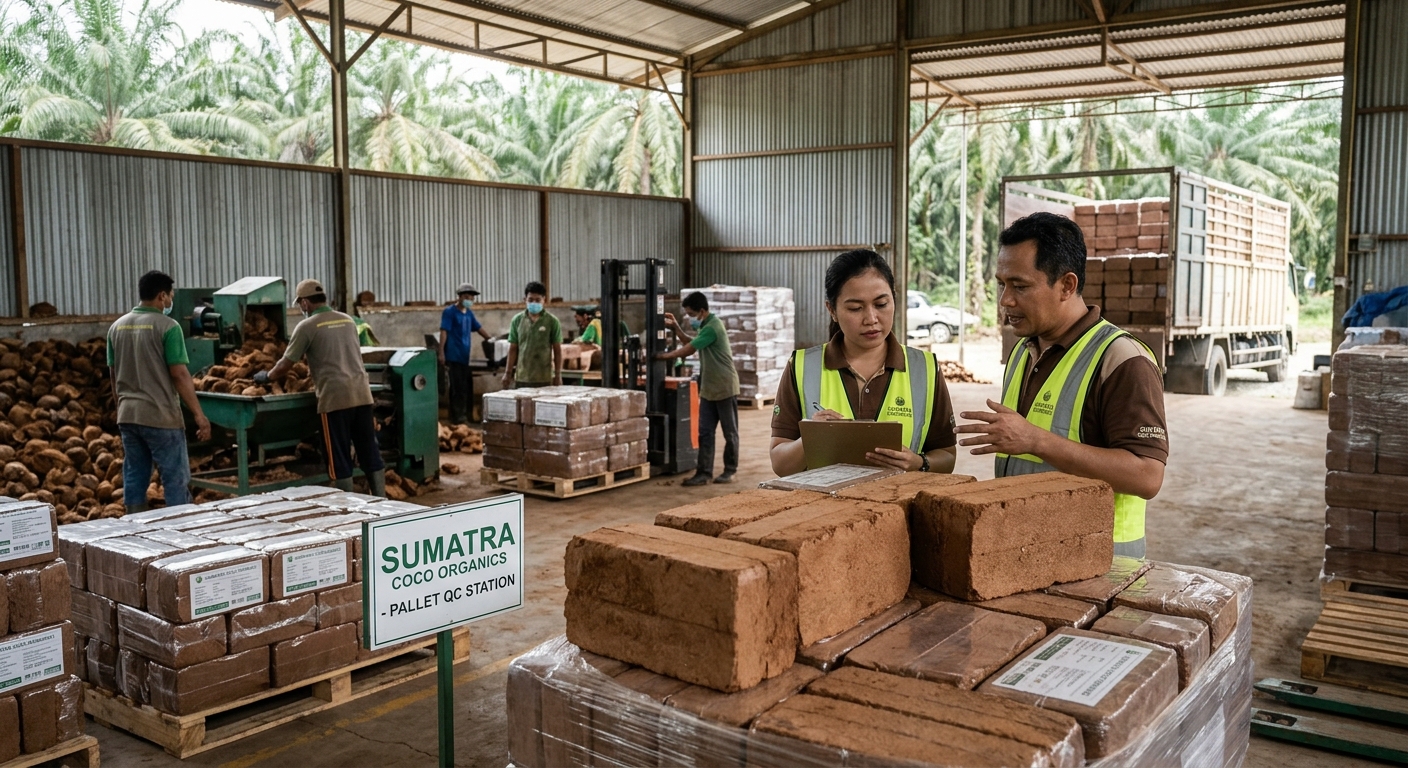
Cocopeat, also known as coir pith, is the spongy material extracted from the coconut husk. It is compressed into blocks for easy transportation and storage. When hydrated, these blocks expand significantly, providing excellent water retention and aeration properties for plant roots. This guide will explore the nuances of sourcing these products from Sumatra, ensuring you make informed decisions for your business.
The Advantages of Sourcing Cocopeat from Sumatra
Sumatra’s tropical climate provides the ideal conditions for coconut cultivation, resulting in a robust and continuous supply of raw materials. Sourcing from this region offers several distinct advantages. Firstly, the sheer volume of coconut production ensures a stable supply of cocopeat. Secondly, the proximity to major shipping routes facilitates efficient global distribution.
Moreover, suppliers in Sumatra are increasingly adopting sustainable and eco-friendly processing methods. This not only ensures a high-quality product but also aligns with the growing global demand for environmentally responsible agricultural inputs. If you are also interested in related products, you might want to read about Natural Coconut Husk Chips Wholesale: Your Complete Guide to Sustainable Growing Media to diversify your sourcing options.
Evaluating Quality Standards of Cocopeat Suppliers
When selecting a bulk cocopeat block supplier in Sumatra, quality assurance should be your top priority. High-quality cocopeat must be properly washed to remove excess salts (low EC), aged correctly, and free from weeds and pathogens. The expansion ratio, moisture content, and compression ratio are critical metrics to evaluate.
- Electrical Conductivity (EC): Low EC cocopeat is essential for sensitive crops.
- Expansion Ratio: A high expansion ratio indicates better yield per block.
- Moisture Content: Lower moisture content reduces shipping costs and prevents mold.
- Impurity Level: The product should be free from sand, stones, and weed seeds.
Always request samples and, if possible, independent laboratory analysis reports before committing to large orders. This due diligence is crucial to maintaining the standards expected by your end-users.
Understanding Logistics and Export Regulations
Exporting agricultural products from Indonesia involves navigating a complex web of logistics and customs regulations. A competent supplier should be well-versed in these processes, but as a buyer, understanding them is equally important. Proper documentation, including Phytosanitary Certificates and Certificates of Origin, is mandatory.
To ensure a smooth export process, it is highly recommended to familiarize yourself with the local customs environment. For detailed insights, consult Indonesia Customs Broker Fees and Regulations: A Comprehensive Guide. Understanding these fees and regulations can prevent unexpected delays and costs at the port of departure.
Negotiation Strategies and Business Practices
Building a strong, mutually beneficial relationship with your supplier in Sumatra requires effective communication and negotiation. Indonesian business culture heavily emphasizes trust and personal relationships. Taking the time to understand your supplier’s capabilities and constraints can lead to better pricing and more reliable service.
When discussing terms, be clear about your quality requirements, delivery schedules, and payment terms. For comprehensive advice on this topic, refer to How to Negotiate with Indonesian Suppliers: A Comprehensive Guide. This resource will provide you with the cultural context and practical tips needed to secure the best possible deals.
Navigating Minimum Order Quantities (MOQ)
In the bulk commodities trade, Minimum Order Quantities (MOQ) are a standard practice. Suppliers use MOQs to ensure the economic viability of production runs and shipping. Typically, for cocopeat blocks, the MOQ is set at one 20-foot or 40-foot container load.
Understanding how suppliers determine these quantities and how you can negotiate them is vital for managing your inventory and cash flow. To gain a deeper understanding of this aspect of B2B trade, read A Complete Guide to Minimum Order Quantity (MOQ) in B2B Indonesia. This guide will help you align your purchasing strategies with supplier expectations.
Comparing Supplier Capabilities
To make an informed decision, it is helpful to compare potential suppliers based on key criteria. The table below outlines some of the critical factors you should evaluate:
| Criteria | Importance | What to Look For |
|---|---|---|
| Production Capacity | High | Ability to scale up and meet consistent monthly volumes. |
| Quality Control | High | In-house testing, low EC guarantees, and proper washing facilities. |
| Certifications | Medium | ISO, Phytosanitary, and organic certifications if applicable. |
| Export Experience | High | Familiarity with international shipping, incoterms, and documentation. |
| Communication | Medium | Responsiveness, English proficiency, and willingness to provide updates. |
Conclusion
Partnering with a reliable bulk cocopeat block supplier in Sumatra can provide your business with a competitive edge in the global agricultural market. By prioritizing quality control, understanding logistics, and mastering negotiation and MOQ management, you can establish a robust supply chain. Sumatra’s vast resources and growing expertise in coconut processing make it an ideal destination for sourcing high-quality cocopeat. Remember to conduct thorough due diligence and build strong relationships with your suppliers to ensure long-term success.
Frequently Asked Questions (FAQ)
What is the standard size of a bulk cocopeat block?
The standard size for bulk export is typically a 5kg block. These blocks are highly compressed and easy to palletize, making them efficient for container shipping. When hydrated, a single 5kg block can expand to yield up to 75 liters of usable cocopeat.
Why is Electrical Conductivity (EC) important in cocopeat?
Electrical Conductivity (EC) measures the amount of soluble salts in the cocopeat. High EC levels can be toxic to sensitive plants. Low EC cocopeat (usually below 0.5 mS/cm) has been washed to remove these salts, making it safe for immediate use in seed raising and hydroponics.
How long does it take to ship cocopeat from Sumatra?
Shipping times vary depending on the destination port. Generally, shipments to Europe or North America can take anywhere from 30 to 45 days. It is crucial to factor in production time, local transport to the port (such as Belawan), and customs clearance when planning your inventory.
Are cocopeat blocks environmentally friendly?
Yes, cocopeat is highly environmentally friendly. It is a 100% natural, biodegradable, and renewable resource made from the by-products of the coconut industry. Using cocopeat also helps reduce the demand for peat moss, the extraction of which can damage delicate wetland ecosystems.