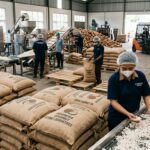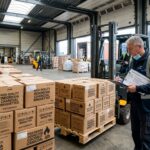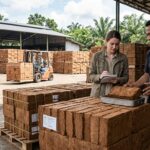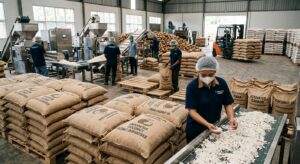


Introduction to Premium Shisha Charcoal from Indonesia
Indonesia has long been recognized as a global powerhouse in the production of high-quality coconut shell charcoal, specifically for shisha and hookah applications. The unique tropical climate and abundant coconut plantations provide the perfect raw materials for manufacturing premium shisha charcoal. In recent years, premium shisha charcoal suppliers in Indonesia have elevated their manufacturing processes to meet stringent international standards, resulting in a product that offers long burn times, low ash content, and no foul odors. This guide delves into everything you need to know about sourcing premium shisha charcoal from Indonesia, the benefits of doing so, and how to navigate the export landscape seamlessly.
Why Choose Indonesian Shisha Charcoal?
The global demand for high-quality shisha experiences has driven buyers to seek the best possible charcoal. Indonesian coconut shell charcoal stands out for several reasons. Firstly, it is 100% natural, made primarily from coconut shells without the addition of harmful chemicals or trees being cut down. This eco-friendly approach appeals to environmentally conscious consumers worldwide.
Secondly, the performance metrics of Indonesian charcoal are superior. When comparing premium shisha charcoal suppliers in Indonesia, buyers consistently note the high carbon content (often exceeding 75%), which translates to a longer, more stable burn. The ash color is typically white or light grey, and the ash content remains below 2.5%, preventing the charcoal from ruining the shisha flavor.
Key Quality Indicators
- Carbon Content: Indicates the purity and burn time of the charcoal.
- Ash Content: Lower ash means less mess and better heat retention.
- Moisture Content: Must be kept below 5% to ensure easy lighting and prevent popping.
- Odor and Taste: Premium charcoal should be completely odorless and tasteless.
The Manufacturing Process of Premium Shisha Charcoal
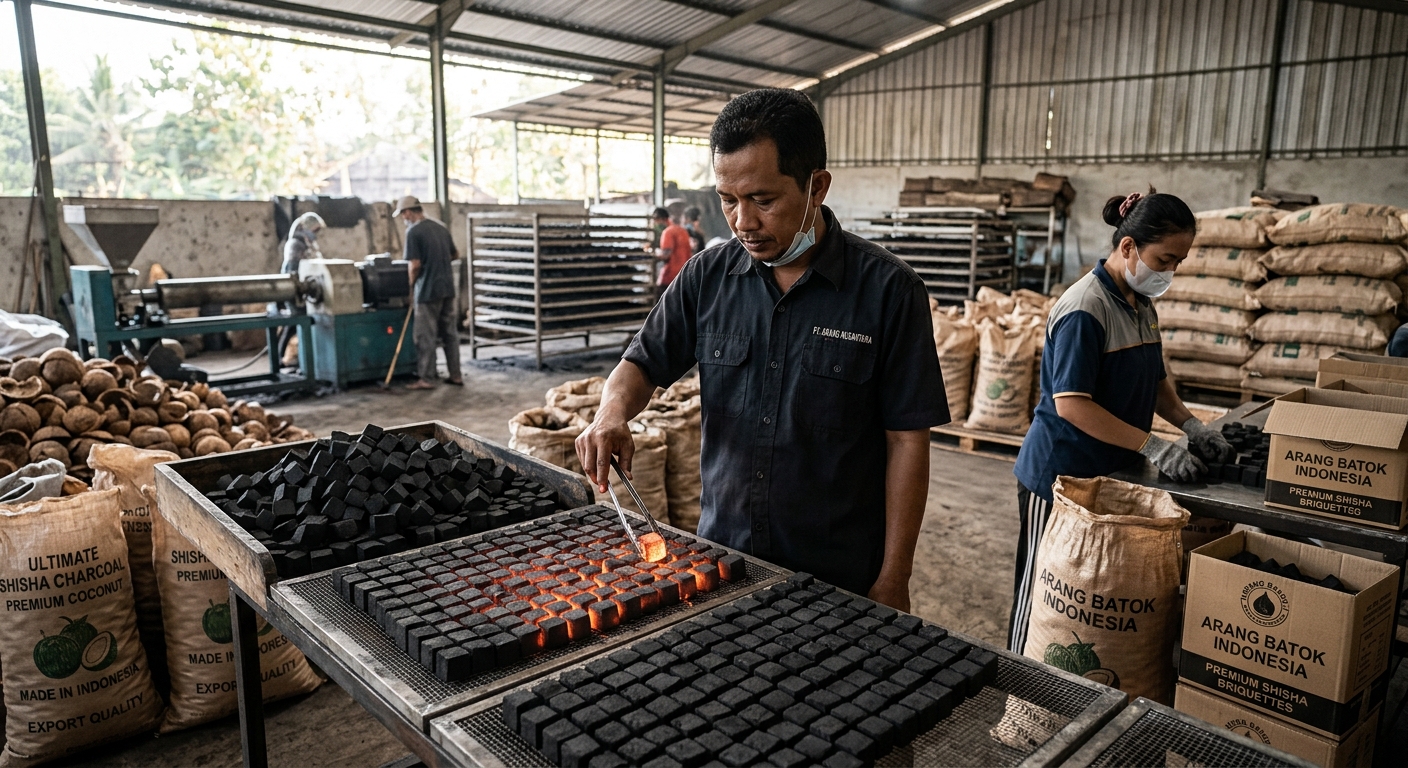
Understanding how premium shisha charcoal is made can help buyers appreciate the value of the product. The process begins with sourcing high-grade mature coconut shells. These shells undergo carbonization, a process of burning them in an oxygen-limited environment to create raw coconut shell charcoal. This raw material is then crushed into a fine powder, mixed with a natural binder (usually tapioca starch), and extruded or pressed into various shapes, such as cubes, flats, or fingers.
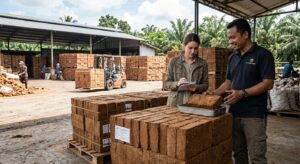
Once shaped, the briquettes are dried in massive ovens to reduce moisture content to the required levels. Quality control is paramount at this stage; reputable suppliers will conduct drop tests and burn tests to ensure the briquettes are durable and perform perfectly. When looking to partner with suppliers, it is highly recommended to read The Ultimate Guide to Choosing a Reliable Indonesian Export Import Platform to ensure you are connecting with verified manufacturers who adhere to these strict processes.
Navigating Trade Agreements and Tariffs
Sourcing from Indonesia is not just about finding the right product; it’s also about understanding the trade mechanics that can affect your bottom line. International buyers can benefit significantly from various trade agreements that Indonesia participates in.
For instance, European buyers should pay close attention to the impending trade pacts. By Maximizing Your Supply Chain: IEU CEPA Trade Agreement Benefits for Buyers, importers can potentially enjoy reduced tariffs, streamlined customs procedures, and greater market access, making Indonesian charcoal even more competitive in the European market.
Understanding HS Codes and Tariffs
When importing charcoal, correctly classifying your goods is crucial to avoid delays and unexpected costs. The Harmonized System (HS) code for coconut shell charcoal briquettes generally falls under Chapter 44. To navigate this complex area effectively, buyers must consult a Comprehensive Guide to Indonesia Customs Tariffs and HS Codes. This ensures accurate duty calculation and compliance with both Indonesian export regulations and the importing country’s requirements.
Export Customs and Logistics
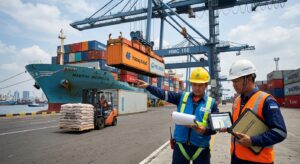
Once you have selected your supplier and finalized your order, the next hurdle is getting the product out of Indonesia. Exporting charcoal requires specific documentation because it is often classified as a dangerous good (flammable solid) under the IMDG code, requiring self-heating tests and Material Safety Data Sheets (MSDS).
Working with experienced freight forwarders and customs brokers is non-negotiable. To ensure your shipments are handled legally and efficiently, refer to the Comprehensive Guide to Indonesia Export Custom Clearance Services. Proper clearance services will manage the necessary V-Legal documents, Certificates of Origin, and shipping manifests, ensuring your container departs Tanjung Priok or Tanjung Emas ports without a hitch.
Comparing Supplier Capabilities
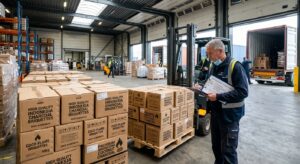
Not all suppliers are created equal. When evaluating premium shisha charcoal suppliers in Indonesia, consider their production capacity, packaging options, and ability to handle OEM (Original Equipment Manufacturer) requests. Many top-tier suppliers offer custom printed inner boxes, master cartons, and custom briquette sizes tailored to specific market demands.
| Criteria | Standard Supplier | Premium Supplier |
|---|---|---|
| Production Capacity | Up to 50 tons/month | Over 200 tons/month |
| Quality Control | Basic visual inspection | Lab-tested (Moisture, Ash, Carbon) |
| Packaging Options | Standard plain boxes | Full OEM custom packaging |
| Export Compliance | Relies heavily on third-parties | In-house export documentation team |
Conclusion
Indonesia remains the undisputed king of coconut shell shisha charcoal production. By partnering with premium shisha charcoal suppliers in Indonesia, international buyers can secure a product that guarantees customer satisfaction through exceptional burn quality, eco-friendliness, and consistency. Success in this trade requires more than just finding a manufacturer; it demands a thorough understanding of quality metrics, international trade agreements, HS codes, and export logistics. Armed with the right knowledge and reliable partners, importing shisha charcoal from Indonesia can be a highly lucrative endeavor.
Frequently Asked Questions
What makes Indonesian coconut charcoal better than wood charcoal for shisha?
Indonesian coconut charcoal is 100% natural, produces far less ash, burns hotter and longer, and does not impart any unwanted flavors or odors to the shisha tobacco, unlike wood charcoal which can often be harsh and alter the taste.
How can I verify the quality of a supplier before ordering a full container?
Always request a sample (usually 1-2 kg) to conduct your own burn tests, drop tests, and ash analysis. Additionally, ask for recent laboratory test reports, MSDS, and check their factory credentials or utilize verified B2B export platforms.
Is coconut charcoal considered dangerous cargo for shipping?
Yes, charcoal is generally classified under UN 1361 (Carbon) and is considered a Class 4.2 self-heating substance. However, high-quality briquettes that pass the SHT (Self-Heating Test) can often be exempted and shipped as general cargo, though strict documentation is always required.