

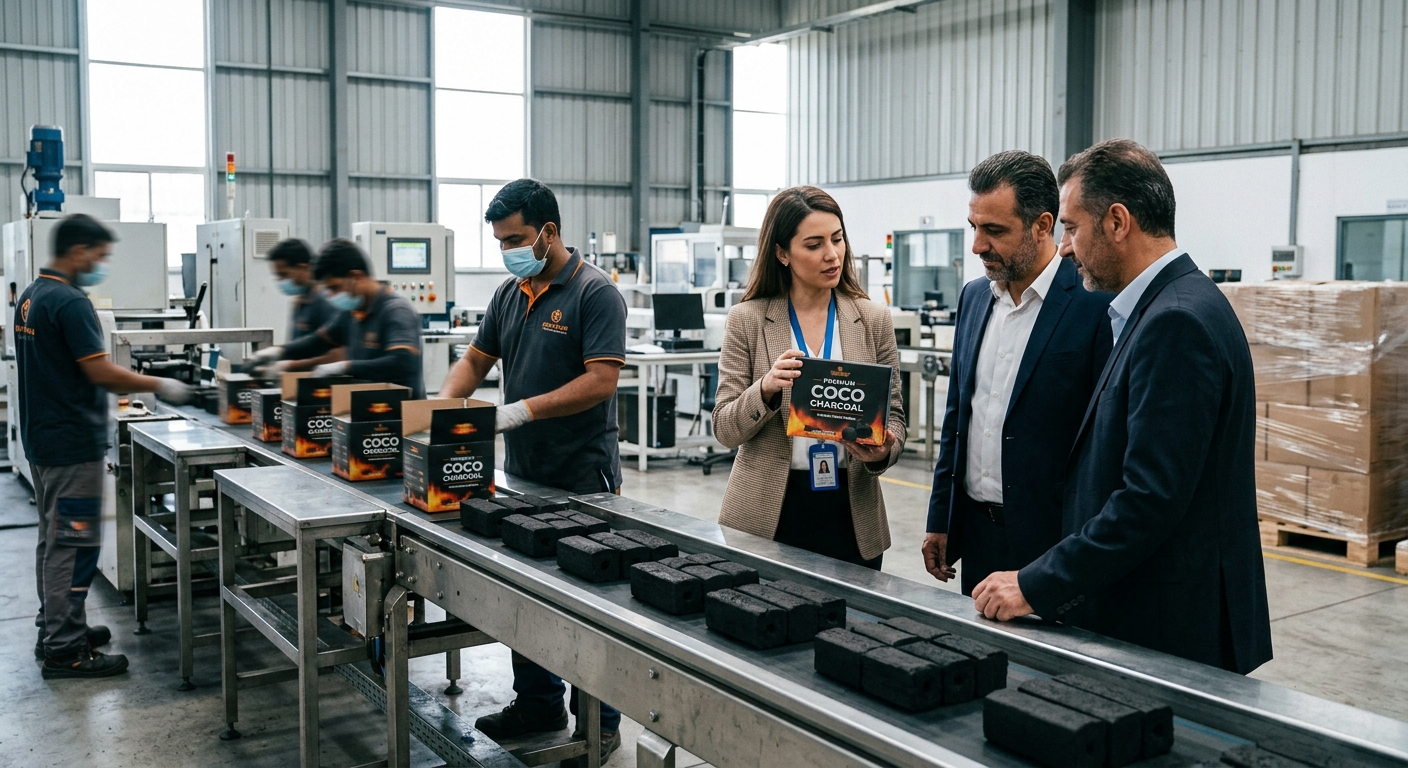
Introduction to Shisha Charcoal Private Label Manufacturing
In the rapidly expanding global hookah and shisha market, the demand for high-quality, long-lasting charcoal is at an all-time high. Brands are constantly seeking ways to differentiate themselves, and one of the most effective strategies is partnering with a reliable shisha charcoal private label manufacturer. By leveraging the expertise of established producers, businesses can create custom-branded, premium charcoal products without the heavy capital investment required to build their own manufacturing facilities.
Private labeling allows you to focus on marketing, sales, and brand development while leaving the complex processes of carbonization, mixing, pressing, and packaging to the experts. This comprehensive guide will explore the nuances of private label manufacturing for shisha charcoal, the benefits of utilizing coconut shells as the primary raw material, the logistics of global shipping, and the regulatory landscape you must navigate to ensure a seamless supply chain.
Why Choose Coconut Shell Charcoal for Shisha?
When it comes to shisha charcoal, not all materials are created equal. Traditional wood charcoal often produces excessive smoke, unwanted odors, and a high ash yield, all of which can severely compromise the hookah smoking experience. In contrast, coconut shell charcoal has emerged as the gold standard in the industry. It is 100% natural, eco-friendly, and offers superior performance metrics.
Premium coconut shell briquettes are prized for their high fixed carbon content, which translates to a longer burning time and a consistent, high heat output. Furthermore, they leave behind less than 3% ash, ensuring that the shisha flavor remains pure and untainted. For businesses looking to dive deep into sourcing the best materials, reading a Coconut Shell Charcoal Manufacturer Indonesia: The Ultimate Guide is highly recommended, as Indonesia is the world’s leading producer of premium coconut charcoal.
Key Benefits of Coconut Shell Charcoal
- Odorless and Tasteless: Does not interfere with the delicate flavors of the shisha tobacco.
- Long Burn Time: A single cube can last up to 2 hours, providing a sustained smoking session.
- Eco-Friendly: Made from upcycled coconut shells, preventing agricultural waste.
- Low Ash Content: Leaves minimal residue, making cleanup easy and keeping the hookah bowl clean.
The Private Label Manufacturing Process
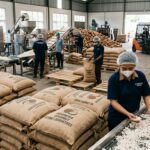
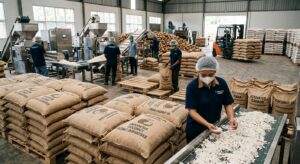
Partnering with a shisha charcoal private label manufacturer involves a systematic process designed to deliver a product tailored precisely to your brand’s specifications. The journey from raw coconut shell to a packaged, retail-ready product involves several critical steps.
1. Sourcing and Carbonization
The process begins with the careful selection of mature, dry coconut shells. These shells undergo carbonization in specialized kilns where they are burned in an oxygen-depleted environment. This removes moisture and volatile compounds, leaving behind pure carbon. The quality of the carbonization process directly impacts the final product’s ignition time and burning temperature.
2. Crushing, Mixing, and Briquetting
The carbonized shells are crushed into a fine powder and mixed with a natural binder, typically tapioca starch, and water. This mixture must achieve the perfect consistency before it is fed into a briquetting machine. Here, the mixture is subjected to immense pressure and extruded or pressed into the desired shapes—most commonly cubes, flats, or hexagons.
3. Drying and Quality Control
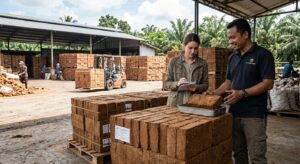
The newly formed briquettes hold significant moisture and must be dried in large industrial ovens. Proper drying prevents the charcoal from cracking during use and ensures a quick ignition time. Stringent quality control checks are performed at this stage, measuring drop test durability, ash color, and moisture content.
4. Custom Packaging (Private Labeling)
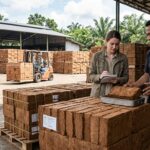
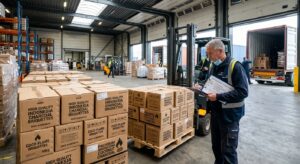
This is where your brand comes to life. The manufacturer will package the charcoal according to your specific design requirements. This includes custom inner plastic linings, branded cardboard boxes, and master cartons designed for safe international transport. A reputable shisha charcoal private label manufacturer will work closely with you to ensure that the packaging not only looks premium but also protects the product during shipping.
Sourcing and Exporting from Indonesia
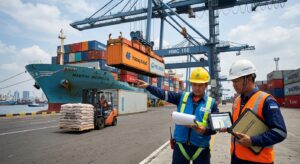
Indonesia is undeniably the epicenter of the world’s coconut charcoal production, thanks to its vast coconut plantations and established manufacturing infrastructure. However, successfully importing your private label charcoal requires a solid understanding of international logistics.
Shipping charcoal internationally is a highly regulated process because charcoal is generally classified as a potentially hazardous material (spontaneously combustible) under the IMDG code, requiring an MSDS (Material Safety Data Sheet) and SHT (Self-Heating Test) certificate. Understanding the logistics of moving freight from major Indonesian ports is crucial. To gain a thorough understanding of this process, you should consult the Comprehensive Guide to Ocean Freight Shipping from Jakarta: Navigating Indonesia’s Global Trade.
Container Shipping Logistics
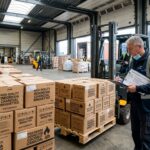
Most private label buyers opt to ship their products in standard shipping containers to minimize per-unit transport costs. A 20ft container can typically hold around 18 metric tons of packaged shisha charcoal (depending on palletization and packaging dimensions). Efficiently loading a container requires strategic planning by the manufacturer. For specific details on container capacities, weight limits, and port handling procedures, reviewing the Shipping a 20ft Container from Jakarta: The Ultimate Professional Guide will provide invaluable insights for optimizing your supply chain.
Navigating Customs and Documentation
The final hurdle in your private label journey is successfully clearing customs in both the country of export and your destination country. Proper documentation is the bedrock of smooth international trade. Missing or incorrect paperwork can lead to costly delays, port storage fees, or even the rejection of your shipment.
Essential Export/Import Documents
| Document Name | Purpose |
|---|---|
| Commercial Invoice | Details the transaction, value, and description of the goods for customs valuation. |
| Packing List | Provides itemized details of the shipment’s contents, weights, and dimensions. |
| Bill of Lading (B/L) | The contract of carriage and receipt for the goods, issued by the shipping line. |
| Certificate of Origin (CoO) | Certifies the country where the goods were produced; often used for tariff reductions. |
| MSDS & SHT Certificates | Proves that the charcoal has been tested and is safe for ocean transport. |
Accurately classifying your product using the correct Harmonized System (HS) code is critical for determining import duties and taxes. Charcoal products have specific HS codes that dictate how they are treated by customs authorities worldwide. For detailed assistance on classifying your goods and understanding Indonesian export regulations, it is highly recommended to study Navigating the Indonesia Customs Tariff Finder and HS Codes: A Comprehensive Guide.
Conclusion
Establishing a successful hookah brand in today’s competitive market requires high-quality products and a streamlined supply chain. Partnering with an experienced shisha charcoal private label manufacturer provides a fast track to bringing premium, coconut shell-based products to market under your own brand name. By understanding the intricacies of the manufacturing process, recognizing the superior qualities of Indonesian coconut charcoal, and mastering the complexities of global shipping and customs regulations, you can build a highly profitable and resilient business. With the right manufacturing partner and a firm grasp on international logistics, your brand can become a staple in shisha lounges and retail stores worldwide.
Frequently Asked Questions (FAQ)
What is the minimum order quantity (MOQ) for private label shisha charcoal?
The MOQ for private label shisha charcoal typically starts at one 20ft container, which equates to roughly 18 metric tons. This volume is necessary to make the custom printing of packaging boxes cost-effective and to satisfy the logistical requirements of ocean freight shipping.
Can I customize the shape and size of the charcoal briquettes?
Yes, reputable private label manufacturers offer a variety of shapes and sizes. The most popular dimensions for shisha are 25x25x25mm cubes, 26x26x26mm cubes, and flat or hexagonal shapes. Custom molds can also be created if you require a unique shape for your brand, though this may incur an additional setup fee.
Why is a Self-Heating Test (SHT) required for shipping charcoal?
Charcoal is classified as a Class 4.2 hazardous material (substances liable to spontaneous combustion) under international maritime regulations. The Self-Heating Test (SHT) is a mandatory laboratory test that proves the charcoal will not spontaneously ignite during the long ocean transit, ensuring the safety of the vessel and crew.
How long does the private label production process take?
From the moment a deposit is placed and packaging designs are approved, production typically takes between 2 to 4 weeks. Printing the custom boxes usually takes about 10-14 days, running concurrently with the charcoal production. However, you should also factor in an additional 3 to 6 weeks for ocean freight, depending on your destination port.