

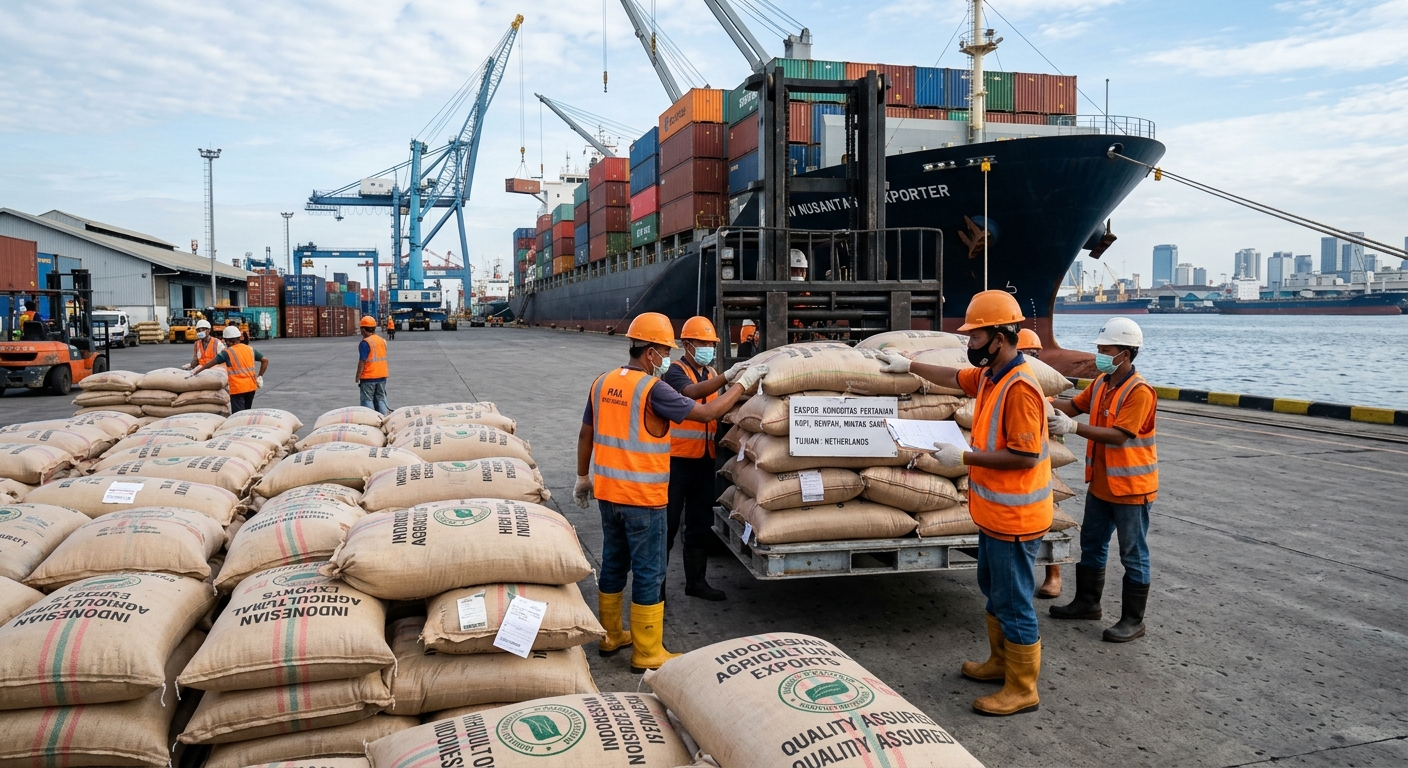
Introduction to Indonesian Agricultural Exports
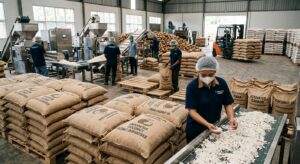
Indonesia, an archipelagic nation blessed with fertile volcanic soil and a tropical climate, is a global powerhouse in agricultural production. From spices and coffee to palm oil and coconut derivatives, the country offers a vast array of high-quality agricultural products highly sought after in the international market. For global businesses and importers, exporting agricultural products from Indonesia represents a lucrative opportunity to source premium commodities directly from the origin.
Understanding the export landscape is crucial for success. This involves knowing the regulations, finding reliable suppliers, negotiating terms, and mastering the logistics of international shipping. The Indonesian government continually works to streamline export procedures to boost foreign exchange earnings, making it progressively easier for international buyers to engage with local producers.
Top Agricultural Commodities for Export
Indonesia’s diverse ecosystem supports the cultivation of numerous crops. Some of the most prominent agricultural exports include:
- Palm Oil: Indonesia is the world’s largest producer and exporter of palm oil, a staple in global food and cosmetic industries.
- Coffee: Renowned for unique flavor profiles like Sumatra Mandheling and Java Arabica, Indonesian coffee is highly prized by specialty roasters worldwide.
- Spices: Nutmeg, cloves, cinnamon, and pepper have been historical drivers of trade and continue to be major export commodities.
- Coconut Products: From desiccated coconut to coconut water and charcoal, the entire coconut tree is utilized. For example, businesses looking for sustainable grilling or heating solutions often seek A Complete Guide to Custom Order Charcoal Briquettes Manufacturers to understand how to source tailored products.
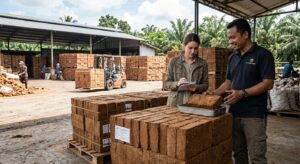
- Growing Media: The byproduct of coconut processing, cocopeat, has become incredibly popular in modern horticulture. Nurseries and large-scale farms often benefit by Partnering with a Cocopeat Growing Media Bulk Distributor for Commercial Agriculture to ensure a steady supply of high-quality substrates.
Navigating Supplier Requirements and Orders
When sourcing agricultural products from Indonesia, establishing strong relationships with local suppliers is paramount. Buyers must communicate clearly regarding product specifications, quality standards, and certifications (such as organic or Fairtrade). One critical aspect of negotiating with Indonesian suppliers is understanding their production capacity and order limits. Before finalizing contracts, buyers should thoroughly research A Complete Guide to Minimum Order Quantity with Indonesia Suppliers to align their purchasing strategy with supplier capabilities.
Quality Control and Certifications
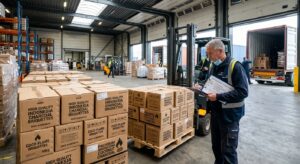
International markets demand strict adherence to quality and safety standards. Phytosanitary certificates are mandatory for agricultural exports to prove the products are free from pests and diseases. Depending on the destination country, additional certifications like HACCP, ISO, or specific organic certifications may be required. Engaging third-party inspection services prior to shipment is highly recommended to ensure the goods meet the agreed-upon standards.
Logistics and Shipping from Indonesia
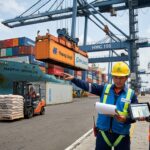
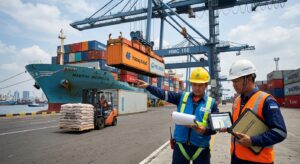
The geographical nature of Indonesia requires a robust understanding of maritime logistics. Major ports such as Tanjung Priok in Jakarta, Tanjung Perak in Surabaya, and Belawan in Medan serve as the primary gateways for agricultural exports.
Surabaya, in particular, is a strategic hub for exporting goods from East Java and Eastern Indonesia. Efficiently managing freight costs is essential for maintaining competitive pricing. Shippers should consult resources like A Comprehensive Guide to Ocean Freight Rates from Surabaya: Navigating Global Shipping Costs to optimize their supply chain and anticipate seasonal fluctuations in shipping expenses.
Export Documentation
Proper documentation is the backbone of smooth international trade. Key documents required for exporting agricultural products from Indonesia include:
| Document Name | Purpose |
|---|---|
| Commercial Invoice | Details the transaction between buyer and seller, including price and quantity. |
| Packing List | Provides a detailed breakdown of the shipment’s contents and packaging. |
| Bill of Lading (B/L) | Serves as a receipt of freight services and a contract between the carrier and shipper. |
| Phytosanitary Certificate | Certifies that plants or plant products have been inspected and are pest-free. |
| Certificate of Origin | Declares the country where the goods were produced (essential for tariff determinations). |
Conclusion
Exporting agricultural products from Indonesia offers tremendous potential for international buyers seeking diverse, high-quality commodities. By understanding the top export products, navigating supplier requirements, ensuring strict quality control, and mastering the complexities of ocean freight and export documentation, businesses can build resilient and profitable supply chains. As Indonesia continues to modernize its agricultural and logistical infrastructure, the opportunities for global trade will only expand, cementing its role as a vital contributor to the global food and agricultural supply.
Frequently Asked Questions (FAQ)
What are the most popular agricultural exports from Indonesia?
The most popular agricultural exports include palm oil, coffee, natural rubber, cocoa, spices (such as nutmeg and cloves), and various coconut derivatives like cocopeat and charcoal briquettes.
Do I need a local partner to export from Indonesia?
While not strictly mandatory, having a reliable local partner, sourcing agent, or established relationship with a reputable supplier is highly beneficial. They can help navigate local regulations, language barriers, and ensure quality control.
What is a Phytosanitary Certificate and why is it needed?
A Phytosanitary Certificate is an official document issued by the Indonesian Agricultural Quarantine Agency. It guarantees that the agricultural products have been inspected, are free from regulated pests, and conform to the plant health requirements of the importing country.
How long does ocean freight take from Indonesia to Europe or the US?
Transit times vary significantly based on the destination port and shipping route. Generally, shipments to Europe take between 25 to 35 days, while shipments to the United States (West Coast) can take 20 to 30 days. Factors like transshipments and port congestion can affect these timelines.