


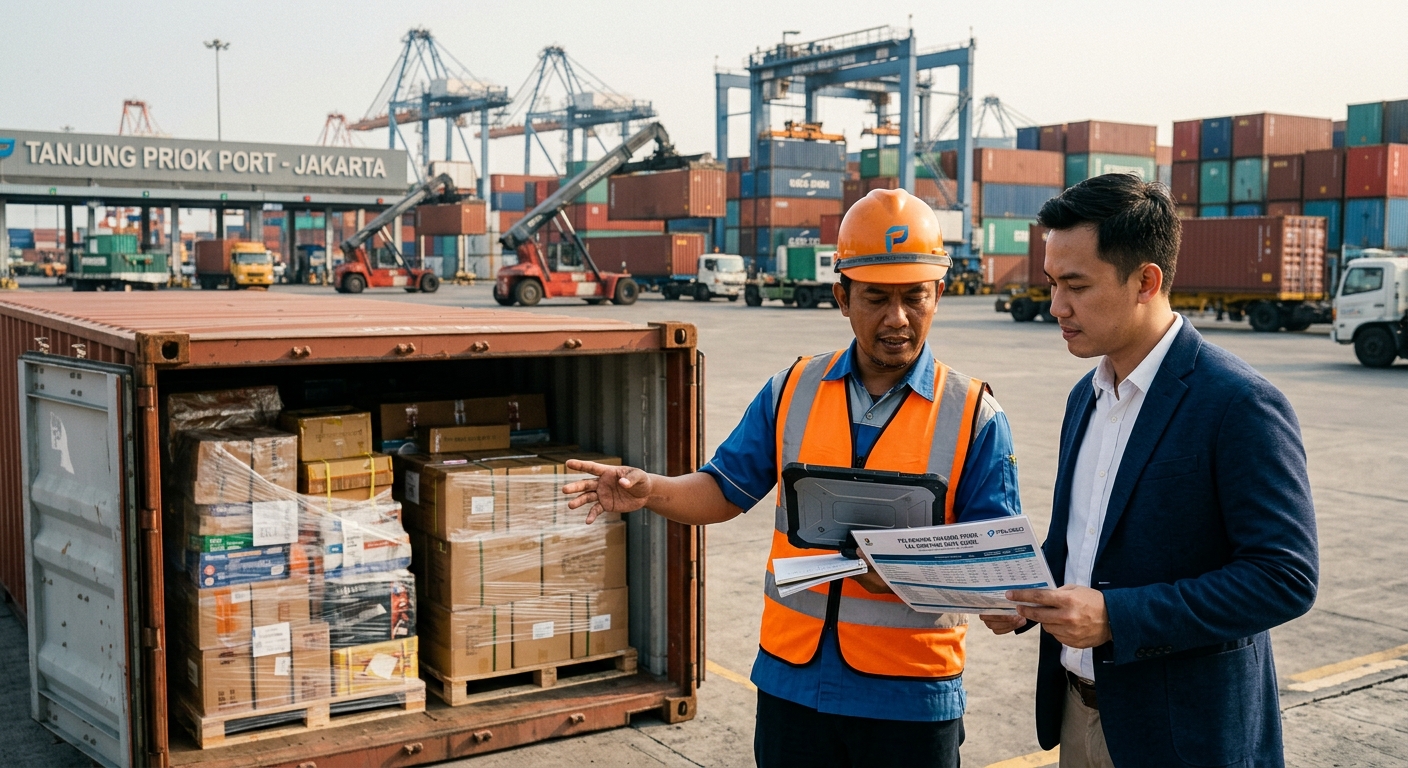
Introduction to LCL Shipping from Jakarta
As a prominent hub in Southeast Asia, Jakarta offers significant opportunities for global trade. For businesses importing goods from Indonesia, understanding Less than Container Load (LCL) shipping is crucial when cargo volumes do not justify a full container. LCL allows multiple shippers to share space within a single container, offering a cost-effective solution for smaller shipments. Navigating the LCL shipping container rates from Jakarta involves understanding various components, from freight charges to local port fees and customs requirements.
Indonesia’s robust export market spans diverse industries, making efficient shipping vital for businesses globally. Whether you are dealing with traditional commodities or specialized products, securing optimal shipping rates requires a deep understanding of the market dynamics. For instance, businesses searching for specialized partners often rely on resources like a Comprehensive Guide to Halal Certified Private Label Manufacturers to source quality goods before even arranging the logistics.
Factors Influencing LCL Shipping Rates
Several elements dictate LCL shipping container rates from Jakarta. Understanding these can help businesses budget effectively and negotiate better terms with freight forwarders.
Volume and Weight
In LCL shipping, rates are primarily calculated based on the volume (CBM – Cubic Meters) or the weight (W/M – Weight or Measure) of the cargo, whichever is greater. Since space is shared, maximizing packaging efficiency is essential to keep costs down.
Destination and Transit Times
The final destination significantly impacts the cost. Popular trade routes generally offer more competitive rates due to higher frequency and volume. Additionally, transit times can affect pricing; faster routes may incur a premium. For a comparative understanding of regional logistics, you might refer to a Comprehensive Guide to Sea Freight Transit Times from Surabaya.
Additional Surcharges
Beyond the base ocean freight rate, several surcharges apply. These include the Bunker Adjustment Factor (BAF) for fuel fluctuations, Currency Adjustment Factor (CAF), Peak Season Surcharges (PSS), and Terminal Handling Charges (THC) at both origin and destination ports.
Understanding Local Charges in Jakarta
When shipping LCL from Jakarta, primarily through the Port of Tanjung Priok, local charges form a significant part of the overall cost. These typically encompass:
- Export Customs Clearance: Fees associated with processing documents through Indonesian customs.
- CFS (Container Freight Station) Receiving: Charges for consolidating the LCL cargo into the container.
- Bill of Lading Fee: Administrative cost for issuing the transport document.
- Trucking and Transport: Moving goods from the supplier’s warehouse to the CFS.
Optimizing Your LCL Shipments
To ensure cost-effective shipping, businesses must adopt strategic practices. Partnering with a reliable freight forwarder who has strong networks in Jakarta can lead to better rates and smoother operations. If you are exploring international trade opportunities, consulting an experienced export partner can provide invaluable insights into streamlining your supply chain.
Furthermore, proper packaging not only protects goods but also minimizes chargeable volume. For businesses sourcing agricultural or horticultural products, securing the right supplier is as critical as the shipping itself. For instance, reading The Ultimate Guide to Finding an Organic Cocopeat Growing Media Exporter can help streamline sourcing before booking freight.
Comparative Table of Estimated LCL Rates
Below is a table illustrating estimated average LCL ocean freight rates from Jakarta to major global ports. Note: These are estimates for informational purposes only and exclude local charges and surcharges.
| Destination Port | Estimated Transit Time | Estimated Rate per CBM (USD) |
|---|---|---|
| Los Angeles, USA | 28 – 32 Days | $65 – $85 |
| Rotterdam, Netherlands | 25 – 30 Days | $50 – $75 |
| Singapore | 3 – 5 Days | $15 – $25 |
| Sydney, Australia | 14 – 18 Days | $40 – $60 |
Conclusion
Understanding LCL shipping container rates from Jakarta is a multifaceted process that requires attention to detail, from calculating CBM to anticipating local and destination charges. By optimizing packaging, choosing the right freight forwarding partners, and staying informed about market fluctuations, businesses can effectively manage their logistics costs. Whether importing specialized goods or general commodities, a strategic approach to LCL shipping will ensure a resilient and cost-effective supply chain.
Frequently Asked Questions
What does CBM mean in LCL shipping?
CBM stands for Cubic Meter. It is the primary metric used to calculate freight rates in LCL shipping, determining how much space your cargo occupies in the container.
How are Terminal Handling Charges (THC) calculated for LCL?
In LCL shipping, THC is usually calculated per CBM or per ton (whichever is higher) based on the rates set by the local Container Freight Station (CFS) at the port of origin or destination.
Is it cheaper to ship LCL or FCL from Jakarta?
It depends on your cargo volume. Typically, if your shipment is under 13-15 CBM, LCL is more cost-effective. For volumes larger than that, booking a Full Container Load (FCL) usually becomes more economical.