

Understanding Sea Freight Transit Times from Surabaya
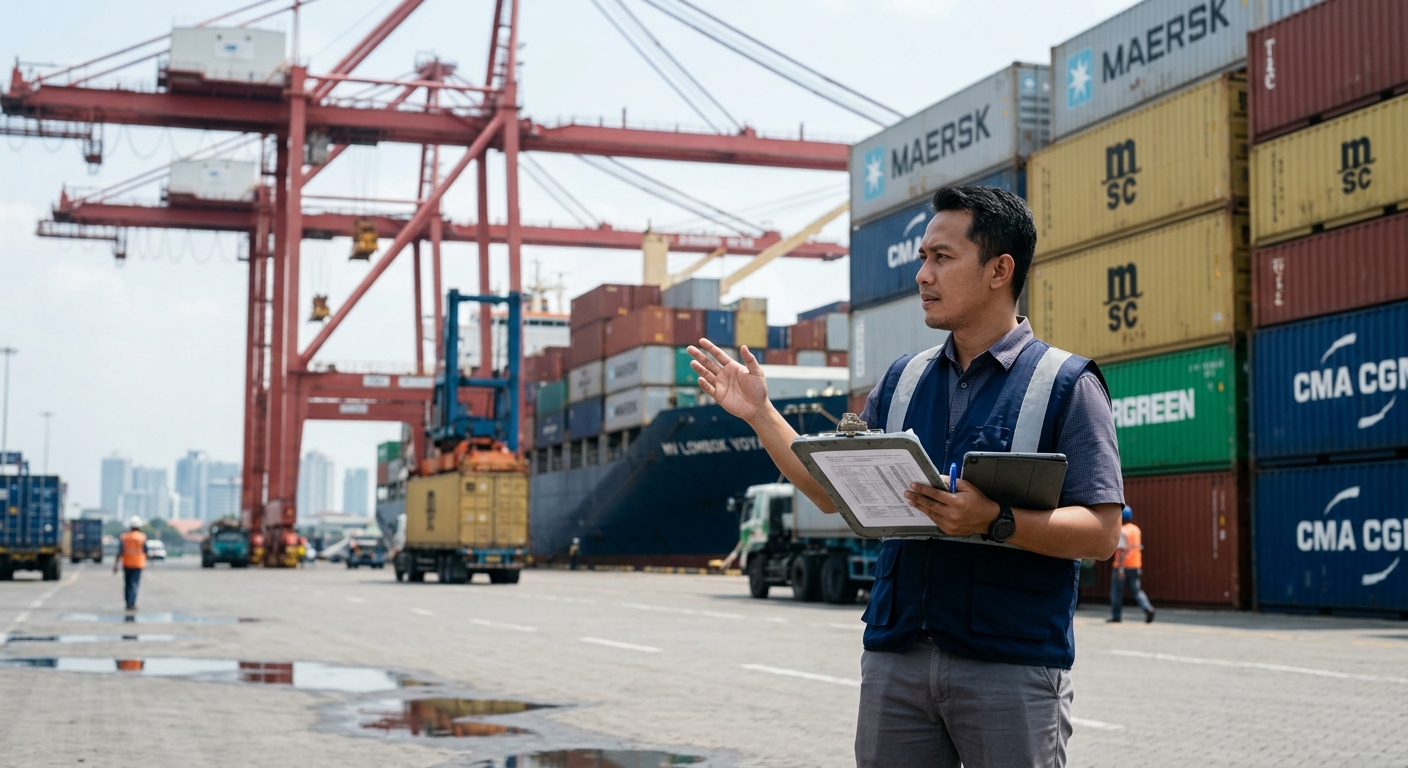
Surabaya, the capital of East Java in Indonesia, is home to the Port of Tanjung Perak, one of the busiest and most significant maritime hubs in the archipelago. As a gateway to eastern Indonesia and a vital link in global supply chains, understanding sea freight transit times from Surabaya is essential for businesses engaged in international trade. Whether you are importing raw materials or exporting finished goods, accurate knowledge of shipping schedules helps in optimizing inventory management, reducing costs, and ensuring customer satisfaction.
When planning your shipments, it is crucial to consider the various factors that influence transit times. These include the choice of shipping route, the type of service (Direct vs. Transshipment), port congestion, weather conditions, and customs clearance procedures. By mastering these elements, businesses can better navigate the complexities of international logistics and maintain a competitive edge in the market.
Factors Influencing Transit Times
Several variables can affect how long it takes for a container to travel from Surabaya to its final destination. One of the primary factors is the route taken by the shipping vessel. Direct routes are naturally faster, but they may be less frequent or more expensive. Conversely, transshipment routes, where cargo is transferred from one vessel to another at an intermediate port (such as Singapore or Port Klang), often take longer but might offer cost savings or more flexible scheduling.
Another critical element is the efficiency of port operations. Port congestion at either the origin or destination can lead to significant delays. Additionally, weather conditions, particularly during the monsoon season or in regions prone to typhoons, can force vessels to alter their courses or slow down, further extending transit times.
Customs procedures also play a pivotal role. Ensuring all documentation is accurate and submitted on time is vital to avoid unnecessary delays at the border. For businesses navigating these requirements, referring to a Comprehensive Guide to Export Document Requirements for B2B in Indonesia can be incredibly beneficial in streamlining the export process.
Typical Transit Times to Major Global Destinations
While specific transit times can vary based on the carrier and the exact service chosen, it is helpful to have a general baseline for planning purposes. Below is an overview of estimated sea freight transit times from Surabaya to key regions around the world.
Surabaya to Asia
Given its geographic proximity, shipping from Surabaya to other Asian ports is relatively quick. For example, transit times to major Southeast Asian hubs like Singapore or Port Klang typically range from 3 to 7 days. Shipments to East Asian ports such as Shanghai, Hong Kong, or Tokyo generally take between 10 and 18 days, depending on whether the service is direct or involves transshipment.
Surabaya to Europe
Exporting goods from Surabaya to European destinations involves a longer journey, usually traversing the Indian Ocean and the Suez Canal. Transit times to major Northern European ports like Rotterdam, Hamburg, or Antwerp generally fall between 25 and 35 days. Mediterranean ports, such as Genoa or Barcelona, might see slightly shorter transit times of around 20 to 30 days.
Surabaya to North America
Shipping to North America from Surabaya typically requires transshipment at a major Asian hub before crossing the Pacific Ocean. Transit times to the West Coast of the United States (e.g., Los Angeles, Long Beach) usually range from 25 to 35 days. For East Coast destinations (e.g., New York, Savannah), transit times are longer, often taking between 35 and 45 days due to the additional transit through the Panama Canal or via the Suez Canal route.
Surabaya to Australia and New Zealand
Trade between Indonesia and Oceania is robust, with relatively short transit times. Shipments from Surabaya to major Australian ports like Sydney, Melbourne, or Brisbane typically take between 12 and 20 days. Transit to New Zealand (e.g., Auckland) generally takes a bit longer, ranging from 20 to 28 days.
Optimizing Your Sea Freight Strategy
To ensure smooth and efficient sea freight operations from Surabaya, businesses should adopt strategic measures to mitigate delays and control costs. One effective approach is to work closely with reliable freight forwarders who possess deep knowledge of the local market and established relationships with ocean carriers. These professionals can provide valuable insights into the best routes, carrier performance, and potential bottlenecks.
Furthermore, businesses should consider consolidating shipments whenever possible to maximize container space and reduce per-unit shipping costs. For those dealing with smaller volumes, Less than Container Load (LCL) services offer a viable alternative, though they may involve slightly longer transit times due to the consolidation and deconsolidation processes.
If you are also evaluating logistics from other major Indonesian ports, it might be useful to compare services. For instance, reviewing a resource like Shipping a 20ft Container from Jakarta: The Ultimate Professional Guide can provide a broader perspective on the country’s export capabilities.
Sourcing Products and Manufacturing in Indonesia
Many businesses exporting from Surabaya are involved in sourcing products or manufacturing within Indonesia. The country offers a wealth of opportunities across various sectors, including textiles, furniture, electronics, and agricultural products. To capitalize on these opportunities, it is crucial to partner with reputable suppliers and manufacturers.
For companies looking to produce branded goods without setting up their own manufacturing facilities, exploring white-label options is an excellent strategy. Reading about Finding Reliable White Label Manufacturers in Indonesia can help you identify trustworthy partners capable of delivering high-quality products that meet your specifications.
Additionally, leveraging digital platforms can significantly streamline the supplier discovery process. Utilizing a Comprehensive Guide to Indonesia OEM Manufacturer Search Platforms can save time and resources by connecting you with verified Original Equipment Manufacturers (OEMs) across the archipelago, including those situated near the Port of Tanjung Perak in Surabaya.
Conclusion
Understanding sea freight transit times from Surabaya is a fundamental aspect of managing international supply chains effectively. By considering the various factors that influence shipping schedules and staying informed about typical transit times to key global destinations, businesses can make proactive decisions that enhance their operational efficiency. Partnering with experienced logistics professionals, ensuring compliance with export documentation requirements, and strategically sourcing products within Indonesia will further contribute to a successful and resilient international trade strategy.
Frequently Asked Questions (FAQ)
What are the main factors that cause delays in sea freight from Surabaya?
The primary factors causing delays include port congestion (both at the origin and destination), adverse weather conditions, transshipment delays, and issues with customs clearance due to incomplete or inaccurate documentation.
How can I track my sea freight shipment from Surabaya?
You can track your shipment using the bill of lading number or container number on the website of the ocean carrier handling your cargo. Additionally, many freight forwarders offer comprehensive tracking portals for their clients.
Is it faster to ship directly or use transshipment services?
Direct shipping routes are generally faster as they do not involve unloading and reloading the cargo at an intermediate port. However, direct routes may be less frequent and more expensive than transshipment services.
How do I ensure my export documents are correct to avoid customs delays?
Working with a knowledgeable customs broker or freight forwarder is the best way to ensure all necessary documents, such as the commercial invoice, packing list, and certificate of origin, are accurately prepared and submitted on time in accordance with Indonesian regulations.