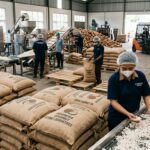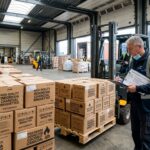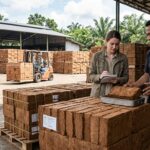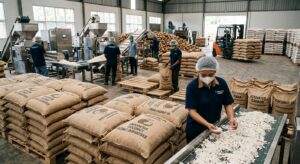


Introduction to Cocopeat Export and HS Codes
Cocopeat, also known as coir pith or coir dust, has emerged as a highly sought-after agricultural commodity in global markets. Derived from the husks of coconuts, this versatile, eco-friendly medium is widely used in horticulture, hydroponics, and soil conditioning. As the demand for sustainable agricultural inputs grows, exporting cocopeat has become a lucrative business. However, to navigate international trade successfully, exporters must understand the Harmonized System (HS) code classification for this product.
The HS code is a standardized numerical method of classifying traded products. It is used by customs authorities around the world to identify products for the application of duties, taxes, and regulations. Ensuring you have the correct HS code for cocopeat is critical for a smooth export process, avoiding customs delays, and preventing costly fines.
What is the HS Code for Cocopeat?
The standard international HS code for cocopeat and related coir products typically falls under Chapter 53 of the Harmonized System, which covers other vegetable textile fibers, paper yarn, and woven fabrics of paper yarn. Specifically, cocopeat is generally classified under HS Code 5305.00. This heading encompasses coconut, abaca, ramie, and other vegetable textile fibers, raw or processed but not spun, including tow, noils, and waste of these fibers.
It is important to note that while the first six digits (5305.00) are standard globally, individual countries may add extra digits (usually up to 8 or 10) to further specify the product for their own tariff and statistical purposes. For instance, cocopeat compressed into blocks might have a slightly different sub-classification in the destination country compared to loose cocopeat. Exporters should always verify the exact 8 or 10-digit code with the customs authority of the importing country.
The Importance of Correct Classification
Using the accurate HS code for cocopeat is not just a bureaucratic formality; it has significant financial and legal implications for your export business. When you classify your goods correctly, you ensure that you are paying the correct tariffs and duties. Under-declaring or misclassifying products can lead to severe penalties, confiscation of goods, and a damaged reputation with international customs agencies.
Furthermore, many countries require specific phytosanitary certificates and fumigation records for agricultural products like cocopeat. The HS code triggers these specific regulatory requirements in customs systems. By using the correct code, you ensure that all necessary documentation is prepared in advance. If you are sourcing from Southeast Asia, understanding these requirements is vital. You can find valuable resources by reading the Comprehensive Guide to Working with an Indonesia Agricultural Commodity Sourcing Agent.
Documentation and Compliance
Exporting cocopeat requires a robust set of documents. Apart from the commercial invoice, packing list, and bill of lading, you will need a Certificate of Origin. Since cocopeat is an organic material, a Phytosanitary Certificate issued by the agricultural department of the exporting country is mandatory to prove the cargo is free from pests and diseases. Depending on the destination, a fumigation certificate may also be required.
For those looking to expand their network and find reliable buyers or suppliers, utilizing a detailed directory is highly recommended. The B2B Marketplace Indonesia Exporters List: A Comprehensive Guide offers excellent insights into navigating the supplier landscape in one of the world’s top coconut-producing nations.
Comparison of Cocopeat Export Forms
Cocopeat is exported in various forms to suit different agricultural and industrial applications. Understanding these variations can help you determine the specific customs requirements and buyer preferences. The following table compares the two most common forms of exported cocopeat.
| Product Form | Moisture Content | Compression Ratio | Primary Use Case |
|---|---|---|---|
| Cocopeat 5kg Blocks | 10% – 15% | 5:1 | Commercial horticulture and greenhouses |
| Cocopeat Grow Bags | 15% – 20% | 3:1 | Hydroponics and soft fruit cultivation |
Drafting Contracts for Cocopeat Export
Securing a buyer is only half the battle; formalizing the agreement is crucial to protect your interests. An export contract should clearly state the HS code (e.g., 5305.00.xx), product specifications (such as electrical conductivity, pH levels, and expansion volume), payment terms, and delivery schedules. Clear contracts mitigate the risks associated with international shipping and fluctuating commodity prices.
When dealing with international buyers, especially if you are based in a major producing region, proper legal frameworks are essential. We strongly recommend reviewing How to Draft an Indonesian Supply Agreement: A Comprehensive Guide to ensure your contracts meet international standards and offer adequate protection.
Choosing the Right Export Partner
For businesses new to exporting cocopeat, partnering with an experienced export management company or trading house can streamline the process. These professionals understand the nuances of international logistics, customs clearance, and HS code application. They can also assist in securing the necessary phytosanitary certifications.
If you are sourcing high-quality cocopeat from Indonesia, working with established professionals is key to success. You can explore a variety of agricultural export services at Export Nusa services, which can connect you with reliable producers and ensure compliance with all international trade regulations.
Conclusion
Exporting cocopeat presents a fantastic opportunity in the growing market for sustainable agricultural products. Understanding and correctly applying the HS code for cocopeat (generally falling under 5305.00) is the foundational step for any successful export venture. It ensures compliance, determines tariffs, and facilitates smooth customs clearance. By mastering the documentation, drafting solid supply agreements, and potentially partnering with experienced sourcing agents, exporters can build a profitable and sustainable global business in the coir industry.
Frequently Asked Questions
What is the universal HS Code for cocopeat?
The universal 6-digit HS code for cocopeat and related coir waste products is 5305.00. However, you should check the 8 or 10-digit country-specific code for the exact destination to ensure total compliance.
Do I need a phytosanitary certificate to export cocopeat?
Yes, because cocopeat is a plant-based organic material, almost all importing countries require a phytosanitary certificate to guarantee that the shipment is free from soil-borne diseases, pests, and weed seeds.
Can the HS code affect the import duties on cocopeat?
Absolutely. The primary function of an HS code is to determine the tariff rate applied to the goods upon entering a country. Incorrect classification can lead to overpaying duties or facing penalties for underpayment.
Is cocopeat classified differently if it is compressed into blocks?
While the general 6-digit code remains the same, some countries may have specific subheadings (the 7th to 10th digits) that differentiate between loose cocopeat, compressed blocks, or cocopeat mixed with other substances like fertilizer.