

Understanding Indonesia Export Document Requirements
Exporting goods from Indonesia can be a highly lucrative endeavor for international traders, given the country’s vast natural resources and manufacturing capabilities. However, navigating the complex regulatory landscape requires a thorough understanding of Indonesia’s export document requirements. Failing to prepare the correct paperwork can result in costly delays, fines, or even the seizure of goods. This comprehensive guide will walk you through the essential documents needed to successfully export products from this vibrant Southeast Asian nation.
Whether you are dealing in agricultural commodities, manufactured goods, or specialized products, adhering to customs regulations is paramount. Partnering with experienced professionals can streamline this process. For instance, you can utilize a Comprehensive Guide to Export Document Preparation Service in Indonesia to understand how third-party experts can assist in managing the intricate paperwork required for international trade.
The Core Export Documents in Indonesia
Every export shipment from Indonesia requires a standard set of documents to clear customs and comply with both Indonesian laws and the regulations of the destination country. The most critical documents include:
1. Commercial Invoice
The commercial invoice is the primary billing document between the seller and the buyer. It must detail the goods being sold, the agreed-upon price, the terms of sale (Incoterms), and the payment terms. Indonesian customs authorities use the commercial invoice to determine the true value of the exported goods for statistical and regulatory purposes.
2. Packing List
A packing list provides a detailed breakdown of the shipment’s contents. It must include information such as the quantity of items, net and gross weights, dimensions of the packages, and the type of packaging used. This document is essential for freight forwarders, customs officials, and the buyer to verify what is being shipped and to handle the cargo appropriately.
3. Bill of Lading (B/L) or Air Waybill (AWB)
The Bill of Lading (for ocean freight) or Air Waybill (for air freight) serves as a contract of carriage and a receipt for the goods. It is issued by the carrier or their agent and contains vital information about the shipment, including the consignor, consignee, port of loading, and port of discharge. The B/L is also a document of title, meaning it can be used to transfer ownership of the goods.
4. Export Declaration (PEB – Pemberitahuan Ekspor Barang)
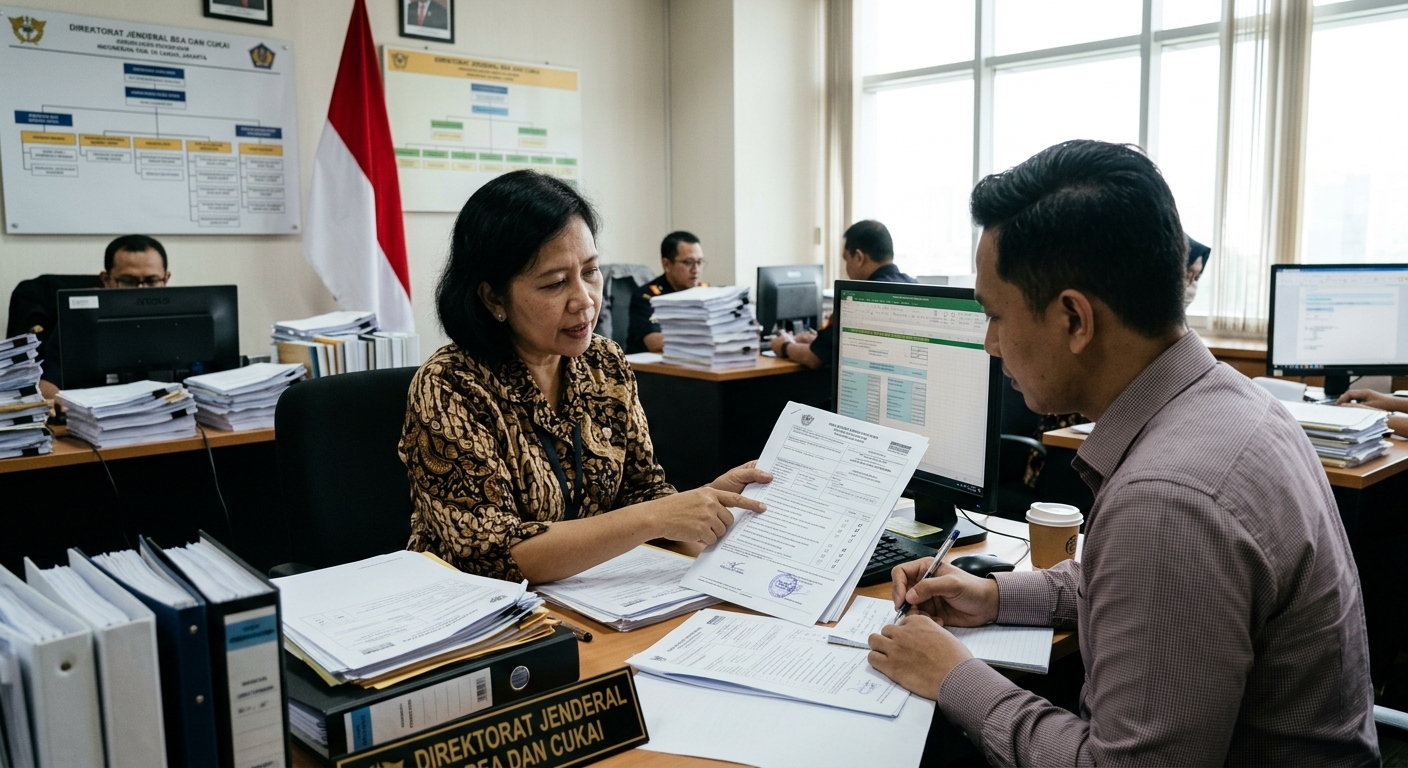
The Pemberitahuan Ekspor Barang (PEB) is the official Indonesian export declaration form. It must be submitted electronically to the Indonesian Customs Authority (Direktorat Jenderal Bea dan Cukai) before the goods can be loaded onto the vessel or aircraft. The PEB details the exporter, the goods, the value, and the destination. A specialized export management company can ensure that this critical declaration is filed accurately and on time.
Specific Commodity Requirements
While the standard documents are required for all shipments, certain products demand additional permits, certificates, or licenses due to their nature, environmental impact, or international agreements.
Certificate of Origin (CoO)
Many buyers require a Certificate of Origin to claim preferential tariff rates under free trade agreements (such as the ASEAN Free Trade Area) or to comply with import restrictions. This document certifies that the goods were produced, manufactured, or processed in Indonesia. It is typically issued by the Indonesian Ministry of Trade or authorized local chambers of commerce.
Phytosanitary and Health Certificates
For agricultural products, food items, and animal products, specialized certificates are mandatory. A Phytosanitary Certificate, issued by the Indonesian Agricultural Quarantine Agency, ensures that plant products are free from pests and diseases. If you are sourcing products like coconut derivatives, reading A Complete Guide to Partnering with a Wholesale Coconut Products Distributor in Indonesia will provide insights into the specific quality and documentation standards expected in this sector.
Fumigation Certificate
When goods are packed in solid wood packaging materials (like wooden pallets), a Fumigation Certificate is usually required to comply with ISPM 15 standards. This certifies that the wood has been treated to eliminate pests. This is often relevant for heavy manufacturing goods or bulk shipments of commodities.
Understanding Lartas (Prohibited and Restricted Goods)
Indonesia classifies certain export goods as “Lartas” (Barang Larangan dan Pembatasan), meaning they are either strictly prohibited from export or subject to specific restrictions. Restricted goods may require an Export Approval (Persetujuan Ekspor) or a Registered Exporter (Eksportir Terdaftar) designation from the Ministry of Trade.
Common restricted items include certain raw minerals, specific types of wood, and agricultural products intended to ensure domestic supply. For example, if you are exporting charcoal, you might encounter specific environmental and forestry regulations. To navigate this particular niche, reviewing A Guide to BBQ Charcoal Manufacturers in Southeast Asia can help you understand the broader regional context and documentation requirements for such commodities.
Comparing Standard vs. Restricted Export Documentation
To highlight the differences in documentation complexity, the following table compares the typical requirements for a standard manufactured good versus a restricted agricultural commodity.
| Export Category | Standard Documents Needed | Additional Permits Required | Typical Processing Time |
|---|---|---|---|
| Standard Manufactured Goods (e.g., Furniture) | Invoice, Packing List, B/L, PEB, V-Legal (for wood) | None | 2-4 Days |
| Restricted Agricultural Goods (e.g., Coffee Beans) | Invoice, Packing List, B/L, PEB | Phytosanitary Certificate, Registered Exporter (ET) Status | 7-14 Days |
The Role of Customs Brokers and Freight Forwarders
Given the intricacies of the Indonesian customs system (CEISA) and the frequent updates to trade regulations, most exporters rely on licensed Customs Brokers (PPJK – Pengusaha Pengurusan Jasa Kepabeanan) and freight forwarders. These professionals handle the electronic submission of the PEB, liaise with customs officials, coordinate inspections if required, and ensure that all documentation aligns perfectly with the physical cargo.
Errors in paperwork, such as mismatched weights between the packing list and the B/L, or an incorrect HS (Harmonized System) code on the PEB, trigger automatic “Red Channel” (Jalur Merah) inspections, leading to significant delays. Professional assistance mitigates this risk substantially.
Conclusion
Exporting from Indonesia offers tremendous opportunities, but success hinges on strict adherence to the country’s export document requirements. From standard invoices and packing lists to the electronic PEB and commodity-specific certificates, every piece of paper plays a vital role in ensuring a smooth transaction. By understanding these requirements, staying updated on restricted goods policies, and partnering with experienced logistics and documentation professionals, businesses can efficiently navigate Indonesian customs and build reliable international supply chains.
Frequently Asked Questions (FAQ)
What is a PEB document in Indonesia?
The PEB (Pemberitahuan Ekspor Barang) is the mandatory electronic export declaration form submitted to Indonesian Customs. It contains all the essential details about the exported goods, the exporter, and the destination, and is required before cargo can be loaded for export.
Do I need a special license to export goods from Indonesia?
Generally, a company must have a Business Identification Number (NIB) which acts as a basic export license. However, certain restricted goods (Lartas) require additional specific licenses or “Registered Exporter” (Eksportir Terdaftar) status from the Ministry of Trade.
What happens if there is an error in my export documents?
Errors or discrepancies in export documents can lead to customs holds, mandatory physical inspections (Red Channel), financial penalties, and significant shipping delays. It is crucial to ensure absolute consistency across all documents, particularly regarding quantities, weights, and HS codes.
How can I get a Certificate of Origin in Indonesia?
A Certificate of Origin can be obtained by applying through the Ministry of Trade’s online system (e-SKA) or through authorized regional offices (Instansi Penerbit SKA). The exporter must provide proof of the origin of the goods and the manufacturing process.