

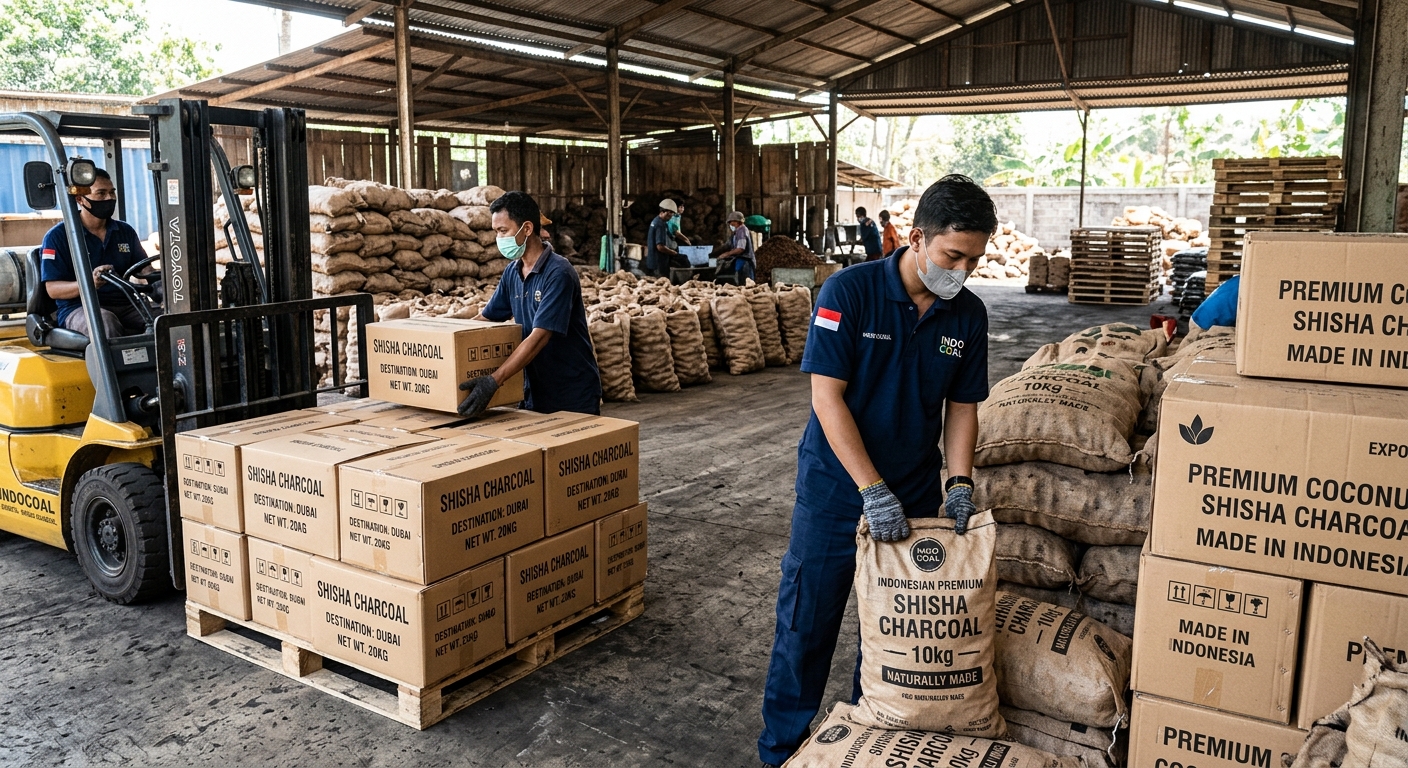
Introduction to Importing Shisha Charcoal
Indonesia is recognized globally as a leading producer of coconut shell charcoal, specifically tailored for shisha (hookah) use. The country’s abundant tropical resources provide a steady supply of premium coconut shells, which are essential for manufacturing high-quality briquettes. Importing shisha charcoal from Indonesia presents a lucrative opportunity for global distributors and wholesalers looking to meet the growing international demand for clean-burning, long-lasting charcoal.
When venturing into this market, understanding the nuances of the Indonesian export ecosystem is crucial. Whether you are an experienced importer or new to international trade, mastering the sourcing process will ensure you receive a product that meets your clients’ expectations. Additionally, knowing where to find reputable suppliers is key. For those expanding their agricultural or related product lines, resources like B2B Marketplace Indonesia Exporters List: A Comprehensive Guide offer valuable insights into identifying verified partners.
Why Choose Indonesian Coconut Shisha Charcoal?
The global preference for Indonesian coconut charcoal stems from its superior physical properties. Unlike traditional wood charcoal or quick-light varieties that contain chemical accelerants, Indonesian coconut briquettes offer a cleaner, more enjoyable smoking experience. They are odorless, tasteless, and produce minimal ash, preserving the true flavor of the shisha tobacco.
Furthermore, the manufacturing process in Indonesia is highly specialized. Producers carefully select mature coconut shells, carbonize them at optimal temperatures, and compress them into dense briquettes. This high density results in a longer burning time and a consistent heat output, which are critical factors for hookah enthusiasts.
Key Specifications to Look For
When communicating with suppliers, it is important to understand the technical specifications that define premium shisha charcoal. High-quality briquettes typically have an ash content of less than 2.5%, a fixed carbon content exceeding 80%, and a moisture level below 5%. These metrics ensure that the charcoal burns hot, clean, and for an extended period.
Here is a comparison of typical shisha charcoal shapes and their performance characteristics to help you choose the right product for your market:
| Charcoal Shape | Dimensions (mm) | Average Burn Time (mins) | Primary Use Case |
|---|---|---|---|
| Cube | 25 x 25 x 25 | 90 – 120 | Standard Shisha Lounges |
| Flat | 25 x 25 x 15 | 60 – 80 | Quick Sessions |
| Hexagonal | 20 x 50 | 100 – 130 | Heat Management Devices |
The Sourcing and Manufacturing Process
Finding a reliable manufacturer is the most critical step in importing shisha charcoal. It is highly recommended to partner directly with factories rather than middlemen to ensure better pricing and stricter quality control. A trustworthy supplier will be transparent about their sourcing methods, production capacity, and quality assurance protocols.
Many top-tier manufacturers in Indonesia also produce related coconut by-products. For instance, if you are also interested in horticultural products, you might explore A Complete Guide to Wholesale Cocopeat Growing Media from Indonesia to diversify your imports. Similarly, understanding the broader coconut product market, such as The Complete Guide to Sourcing Organic Coco Coir Blocks Wholesale, can provide a deeper appreciation of the industry’s supply chain.
Quality Control and Factory Audits
Before placing a large order, request samples to test the product’s burning characteristics. A simple drop test can determine the briquette’s density; high-quality charcoal will not easily shatter upon impact. Additionally, conducting a virtual or in-person factory audit can help you assess the manufacturer’s production standards and ethical labor practices.
For those looking for established export partners, platforms like Export Nusa platform can connect you with verified Indonesian suppliers dedicated to international trade standards.
Logistics, Shipping, and Customs
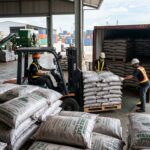
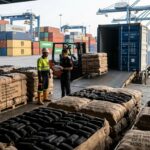
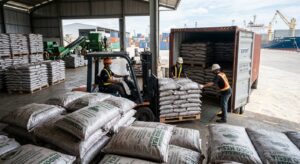
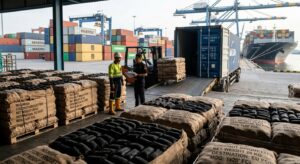
Importing charcoal requires careful logistical planning, as it is classified as a hazardous material (Class 4.2 – Spontaneously Combustible) under the International Maritime Dangerous Goods (IMDG) Code. This classification means that shipping charcoal involves stricter regulations, specific documentation, and often higher freight costs.
To navigate these complexities, ensure that your supplier provides a Self-Heating Test certificate (also known as a Vanning Certificate or SHT), which is mandatory for shipping charcoal by sea. Working with a freight forwarder experienced in handling dangerous goods is essential to avoid delays at customs.
Conclusion
Importing shisha charcoal from Indonesia is a strategic business move, given the country’s unmatched quality and production capacity. By understanding the required specifications, conducting thorough supplier due diligence, and mastering the complex logistics of shipping dangerous goods, you can establish a highly profitable import business. Always prioritize quality and transparency to build long-term relationships with both your suppliers and your customers.
Frequently Asked Questions
Why is coconut shell charcoal better for shisha?
Coconut shell charcoal is preferred for shisha because it burns hotter, lasts longer, and leaves very little ash. Crucially, it is odorless and tasteless, which means it does not interfere with the flavor of the shisha tobacco.
Is shisha charcoal considered dangerous goods for shipping?
Yes, charcoal is generally classified under the IMDG Code as a hazardous material (Class 4.2). It requires special handling, packaging, and specific documentation, such as a Self-Heating Test certificate, to be shipped legally and safely by sea.
How can I verify the quality of Indonesian shisha charcoal before buying in bulk?
Always request product samples to perform physical tests, such as drop tests for density and burn tests to check for ash color, burn time, and lack of odor. Additionally, ask the supplier for recent laboratory test reports detailing moisture, ash, and fixed carbon levels.
What is the minimum order quantity (MOQ) for importing charcoal from Indonesia?
Most manufacturers require a minimum order of one 20-foot container, which typically holds around 18 metric tons of packaged shisha charcoal. Some suppliers may negotiate smaller trial orders, but standard ocean freight economics make full container loads more practical.