

Understanding Wholesale Crude Palm Oil Distributors
The global demand for crude palm oil (CPO) continues to rise, driven by its versatile applications in food production, cosmetics, and biofuels. For businesses relying on this essential commodity, partnering with reliable wholesale crude palm oil distributors is a critical component of supply chain success. These distributors act as the vital link between massive plantations, primarily located in Southeast Asia, and end-users worldwide. They ensure consistent quality, handle complex logistics, and navigate the intricate web of international trade regulations.
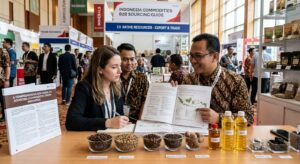
Sourcing CPO requires a deep understanding of market fluctuations, sustainability certifications, and regional dynamics. As production is heavily concentrated in specific geographical areas, buyers must develop robust strategies to secure their supply lines. This often involves engaging with multiple distributors and staying informed about broader sourcing trends in the region. For a broader perspective on sourcing in this area, you can refer to the Comprehensive Guide to Southeast Asia B2B Sourcing for Commodities, which offers valuable insights into regional trade practices.
The Role of Distributors in the CPO Supply Chain
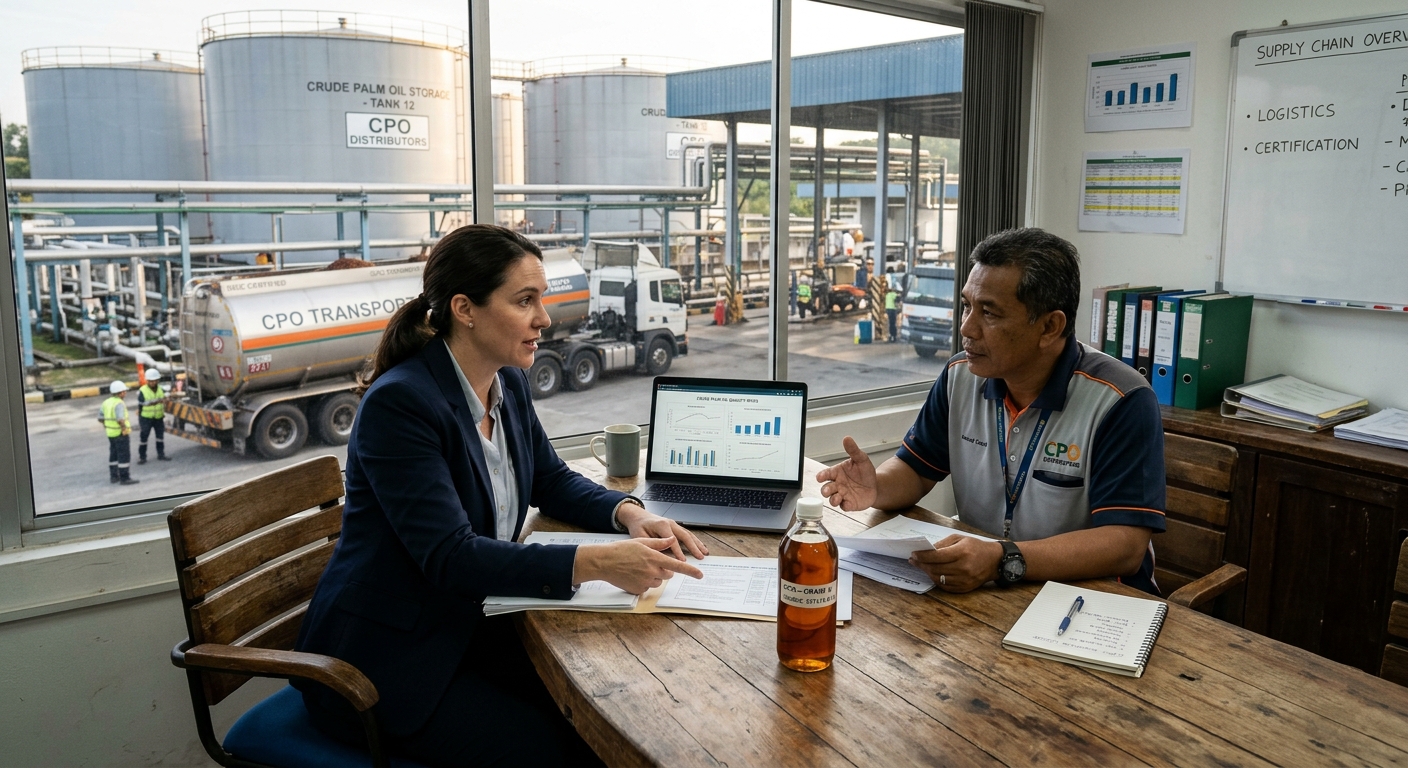
Wholesale distributors of crude palm oil provide more than just the product; they offer a suite of services designed to mitigate risks for buyers. Their responsibilities include bulk purchasing, quality assurance, storage, and arranging transportation. By aggregating demand from various buyers, they can negotiate better prices with mills and refineries, passing these savings on to their clients.
Furthermore, distributors play a crucial role in maintaining quality standards. Crude palm oil must meet specific free fatty acid (FFA) and moisture content parameters to be suitable for refining. Reputable distributors conduct rigorous testing before shipment. They also handle the necessary documentation, ensuring compliance with both export and import regulations, which is vital for smooth cross-border transactions.
Key Considerations When Selecting a CPO Distributor
Choosing the right partner involves careful evaluation of several factors:
- Reliability and Track Record: Look for distributors with a proven history of on-time deliveries and consistent product quality.
- Sustainability Credentials: With growing environmental concerns, working with distributors who supply Roundtable on Sustainable Palm Oil (RSPO) certified CPO is increasingly important.
- Logistical Capabilities: Assess their ability to handle bulk shipments efficiently, whether via isotanks or flexitanks.
- Financial Stability: A financially sound distributor is less likely to default on contracts during periods of market volatility.
Logistics and Shipping in CPO Distribution
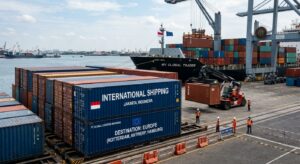
Transporting crude palm oil across oceans is a complex logistical feat. It requires specialized equipment to maintain the oil’s temperature, as CPO solidifies at lower temperatures. Heating coils are often required in storage tanks and shipping containers to ensure the oil remains liquid for pumping upon arrival.
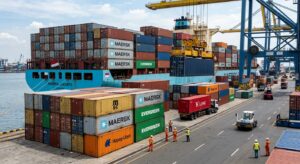
Understanding shipping logistics from key producing countries like Indonesia is crucial. Buyers must be aware of freight costs, port handling fees, and container specifications. For instance, if you are looking into standard container shipments for other commodities alongside CPO, reading a Comprehensive Guide to Shipping a 20ft Container from Indonesia can provide a solid foundation in understanding Indonesian export logistics.
Here is a comparison of common shipping methods for bulk liquid commodities like CPO:
| Shipping Method | Capacity (Approx.) | Equipment Required | Suitability |
|---|---|---|---|
| Flexitank | 20 – 24 Metric Tons | Standard 20ft Container, Heating Pad | Cost-effective for non-hazardous liquids, single-use. |
| ISO Tank | 24 – 26 Metric Tons | Specialized Tank Container | Reusable, highly secure, suitable for hazardous and non-hazardous bulk liquids. |
| Parcel Tanker | 2,000+ Metric Tons | Chartered Vessel Tank | Ideal for massive volume, industrial-scale international shipments. |
Diversifying Your Sourcing Strategy
While crude palm oil might be a primary focus, companies sourcing from Southeast Asia often look for other agricultural commodities to optimize their supply chains and container loads. Indonesia, the world’s largest CPO producer, also exports a wide range of other products.
For example, companies in the agricultural sector might also be interested in sustainable growing media. You can learn more about this by reading about an Indonesia Supplier of Cocopeat Pith: A Comprehensive Guide to Sourcing the Best Growing Media. Similarly, businesses dealing in energy or BBQ supplies might explore other exports from the region. A useful resource for this is A Complete Guide to Exporting Charcoal Briquettes from Surabaya.
Conclusion
Navigating the market for wholesale crude palm oil distributors requires diligence, market knowledge, and a strong focus on logistics and sustainability. By understanding the role of distributors, evaluating them thoroughly, and grasping the complexities of international shipping, buyers can secure a reliable and sustainable supply of CPO to fuel their business operations. As the industry evolves, staying informed about regional sourcing practices and related commodities will remain a strategic advantage.
Frequently Asked Questions
What is the difference between crude palm oil and refined palm oil?
Crude palm oil (CPO) is the unrefined oil extracted directly from the palm fruit, characterized by its reddish-orange color due to high carotene content. Refined palm oil has been processed to remove impurities, color, and odor, making it suitable for a wider range of edible and industrial applications.
Why is RSPO certification important when buying from CPO distributors?
RSPO (Roundtable on Sustainable Palm Oil) certification ensures that the palm oil was produced according to strict environmental and social criteria, aimed at minimizing deforestation and protecting wildlife. Sourcing certified CPO helps companies meet their corporate social responsibility goals and comply with increasingly stringent market regulations.
How is wholesale crude palm oil typically priced?
CPO pricing is highly dynamic and is typically benchmarked against international commodity exchanges, such as the Bursa Malaysia Derivatives (BMD). Prices are influenced by factors including global supply and demand, weather conditions in producing regions, currency exchange rates, and the prices of competing vegetable oils.
What are the common payment terms used by wholesale CPO distributors?
Payment terms can vary, but international transactions often involve Letters of Credit (L/C) at sight or Telegraphic Transfers (T/T) with a percentage paid as a deposit upon order confirmation and the balance paid against shipping documents (e.g., Bill of Lading).