

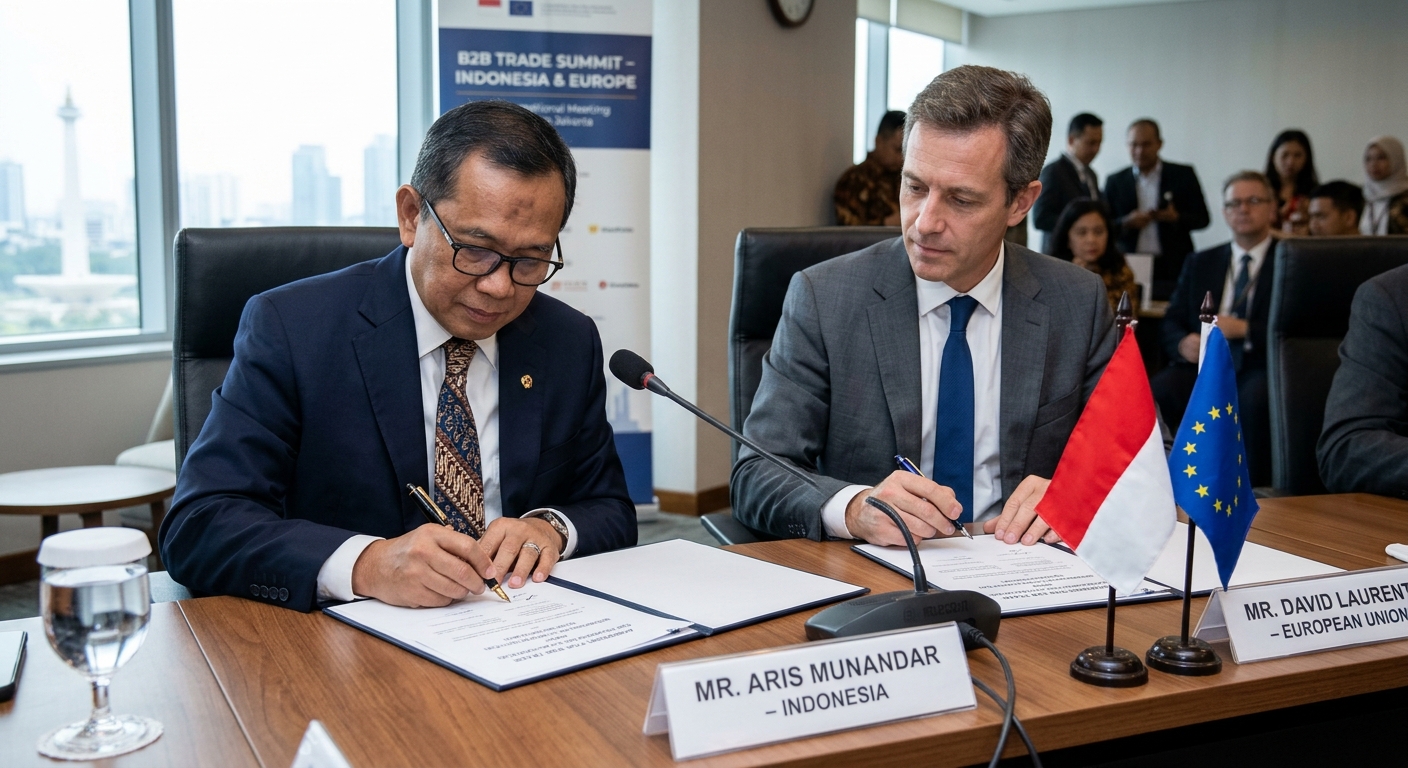
Introduction to B2B Trade Agreements Between Indonesia and Europe
The economic relationship between Indonesia and the European Union (EU) represents a vital corridor of international commerce. As Southeast Asia’s largest economy, Indonesia offers a rapidly expanding market and significant manufacturing capabilities. Meanwhile, the EU stands as one of the world’s largest single markets, presenting immense opportunities for Indonesian exporters. This article delves into the nuances of B2B trade agreements, regulations, and the strategic advantages of fostering strong business ties between these two economic powerhouses.
Understanding the intricacies of cross-border trade requires a solid grasp of existing frameworks and ongoing negotiations. For businesses looking to expand their operations, Mastering International B2B Trade with Indonesia: A Complete Guide provides invaluable insights into navigating this complex landscape successfully.
The Framework of EU-Indonesia Trade Relations
The foundation of trade relations between Indonesia and the European Union is currently guided by several bilateral agreements and ongoing negotiations, most notably the Comprehensive Economic Partnership Agreement (CEPA). The primary goal of CEPA is to reduce trade barriers, enhance market access, and promote sustainable development.
Key Objectives of the EU-Indonesia CEPA
- Tariff Reduction: Eliminating or significantly reducing import duties on a vast majority of goods traded between the two regions.
- Services and Investment: Liberalizing trade in services and creating a more predictable environment for foreign direct investment (FDI).
- Non-Tariff Barriers: Addressing regulatory obstacles, standardizing customs procedures, and improving transparency to facilitate smoother B2B transactions.
- Sustainability: Integrating robust labor and environmental standards to ensure that economic growth does not come at the expense of ecological balance or social equity.
Navigating Regulatory Landscapes and Export Guidelines
For B2B enterprises, compliance with local and international trade regulations is non-negotiable. Exporters must be well-versed in customs procedures, product certification requirements, and specific industry standards.
Indonesian businesses aiming to penetrate the European market must adhere to strict EU regulations, including REACH for chemicals, CE marking for machinery and electronics, and rigorous sanitary and phytosanitary (SPS) measures for agricultural products. Conversely, European companies entering Indonesia must navigate the Indonesian National Standard (SNI) and specific halal certification requirements for food, cosmetics, and pharmaceuticals.
To fully grasp the regulatory requirements from the Indonesian perspective, businesses should consult the Comprehensive Guide to Indonesia Trade Regulations for Exporters. This resource offers a deep dive into the legal frameworks governing outbound trade from the archipelago.
Crucial Export Commodities and Tariffs
Indonesia is rich in natural resources and agricultural products, many of which are highly sought after in Europe. Key export commodities include palm oil, textiles, footwear, electronic equipment, and processed agricultural goods.
The Impact of Tariffs on Specific Goods
Tariffs play a significant role in shaping trade dynamics. One of the most debated topics in EU-Indonesia trade relations is the export and import policies surrounding Crude Palm Oil (CPO). The EU’s push towards sustainable energy and subsequent policies on biofuels have created friction, impacting Indonesian CPO exports.
For businesses dealing in this sector, comprehending these financial levers is crucial. An excellent resource for this is Understanding Indonesia Export Tariff on Crude Palm Oil: A Comprehensive Guide, which outlines the tariff structures and their implications for international buyers and sellers.
Niche Markets: Charcoal Briquettes
Beyond major commodities, niche markets offer lucrative opportunities for B2B trade. For instance, coconut shell charcoal briquettes from Indonesia are highly prized in Europe for use in shisha and barbecues due to their high burning temperature and low ash content. European wholesalers often seek direct relationships with Indonesian manufacturers to secure custom specifications.
If your business is exploring this specific niche, reading A Complete Guide to Custom Order Charcoal Briquettes Manufacturers can help you understand the production process, quality control, and export logistics involved in sourcing these products.
Comparative Analysis of Key Indonesian Exports to Europe
To better understand the scale and specifics of trade between these regions, let us look at a comparison of two major Indonesian export categories to the European Union.
| Export Category | Primary EU Destinations | Key Regulatory Hurdles | Average Tariff Status (Pre-CEPA) |
|---|---|---|---|
| Textiles & Footwear | Germany, Italy, Spain | Chemical restrictions (REACH), Labeling | Moderate (often subject to GSP) |
| Agricultural Products (inc. Palm Oil) | Netherlands, Spain, Italy | SPS Measures, Sustainability Certification | Variable (high scrutiny on sustainability) |
| Machinery & Electronics | Germany, Netherlands, France | CE Marking, WEEE Directive | Low to Moderate |
Strategies for Successful B2B Trade
To capitalize on the growing trade relationship between Indonesia and Europe, B2B companies must adopt proactive and strategic approaches:
- Build Strong Local Partnerships: Navigating foreign business cultures and regulatory environments is often easier with a trusted local partner, distributor, or agent.
- Invest in Compliance: Ensure all products meet the stringent standards of the target market to avoid costly delays or rejections at customs.
- Leverage Digital Platforms: Utilize B2B marketplaces and digital trade platforms to connect with potential buyers or suppliers, streamlining the procurement and sales processes.
- Stay Informed on Trade Agreements: Keep abreast of the latest developments in the EU-Indonesia CEPA negotiations, as changes can directly impact tariff rates and market access.
Conclusion
The B2B trade landscape between Indonesia and Europe is rich with potential, driven by complementary economic needs and the continuous pursuit of mutually beneficial agreements. While challenges such as regulatory compliance and tariff negotiations remain, the underlying trend points towards deeper integration and increased trade volumes. By staying informed, leveraging the right resources, and adhering strictly to international trade regulations, businesses from both regions can forge strong, profitable, and sustainable partnerships. The finalization of the Comprehensive Economic Partnership Agreement (CEPA) will undoubtedly serve as a catalyst, opening new doors and solidifying the economic bridge between Southeast Asia and the European Union.
Frequently Asked Questions (FAQ)
What is the EU-Indonesia Comprehensive Economic Partnership Agreement (CEPA)?
The EU-Indonesia CEPA is an ongoing negotiation aimed at creating a free trade agreement between the European Union and Indonesia. Its goal is to reduce tariffs, remove non-tariff barriers, and promote investment and sustainable development between the two economies.
What are the main products Indonesia exports to Europe?
Indonesia’s primary exports to Europe include palm oil and its derivatives, textiles, footwear, electronic equipment, machinery, and various agricultural products such as coffee, rubber, and spices.
How do EU sustainability regulations affect Indonesian exporters?
EU sustainability regulations, particularly concerning deforestation and environmental impact, require Indonesian exporters (especially in sectors like palm oil and timber) to obtain specific certifications and prove that their supply chains are sustainable and compliant with EU standards.
Why are local partnerships important in Indonesia-Europe B2B trade?
Local partnerships are crucial because they help bridge cultural differences, navigate complex and distinct regulatory frameworks, and establish trust, which is highly valued in both Indonesian and European business cultures.