

Introduction to International Shipping from Indonesia to Europe
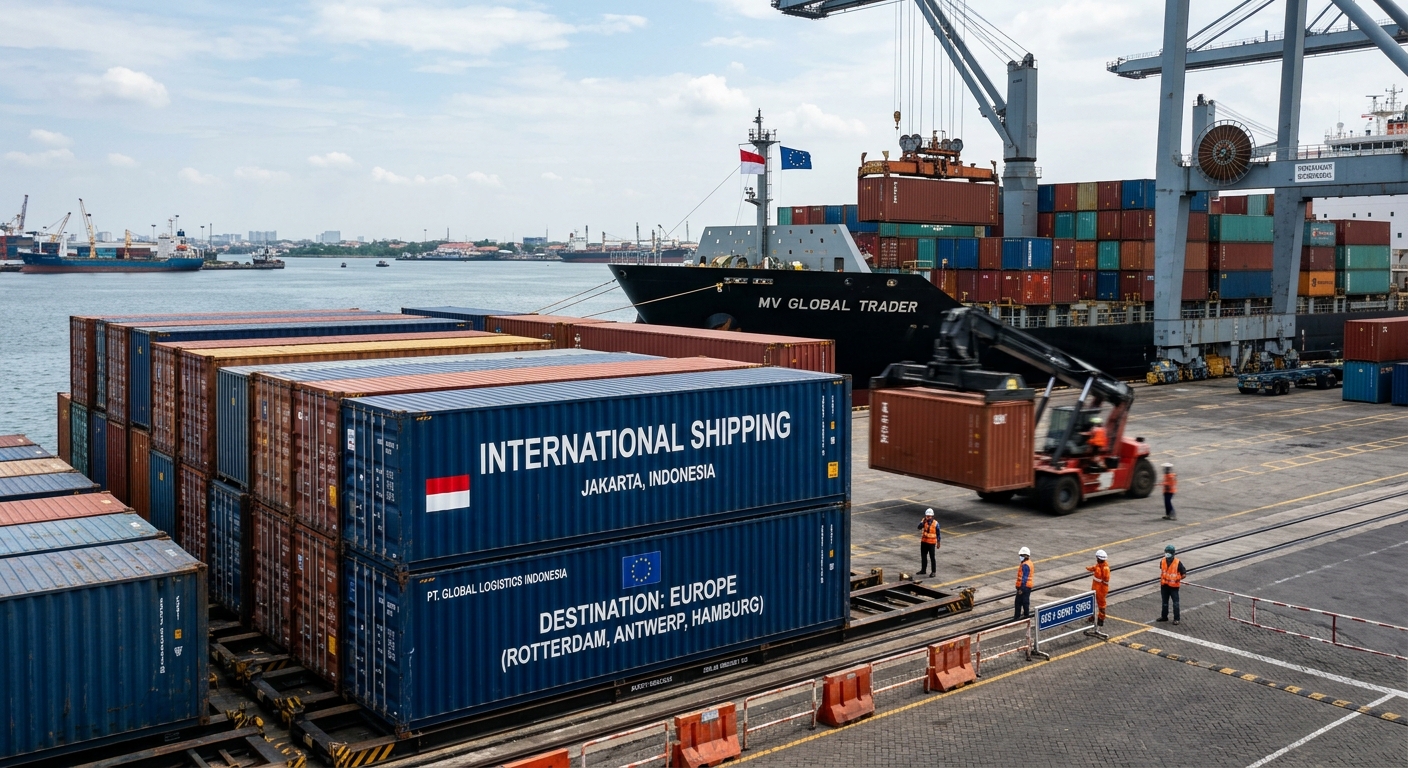
International shipping from Indonesia to Europe is a critical component of global trade. With the rise of e-commerce and the increasing demand for Indonesian products, understanding the logistics, costs, and regulations involved is essential for businesses aiming to expand their reach. Whether you are exporting agricultural goods, textiles, or manufactured products, navigating the shipping process requires careful planning and execution.
Indonesia, a Southeast Asian economic powerhouse, exports a vast array of commodities to European markets. To successfully manage this supply chain, businesses must choose the right shipping methods, comply with stringent customs regulations, and partner with reliable freight forwarders. For those looking to streamline their sourcing and exporting processes, it is advisable to consult experts in logistics to ensure smooth operations.
Choosing the Right Freight Option
When shipping goods from Indonesia to Europe, businesses typically choose between air freight and ocean freight. Each method offers distinct advantages and trade-offs regarding cost, transit time, and suitability for specific types of cargo.
Air Freight
Air freight is the fastest shipping method, ideal for time-sensitive, high-value, or perishable goods. While it is significantly more expensive than ocean freight, transit times usually range from 3 to 7 days. This rapid delivery can be crucial for meeting tight deadlines or minimizing inventory holding costs.
Ocean Freight
Ocean freight is the most cost-effective option for transporting large volumes of goods. It is widely used for heavy or bulky items where transit time is not the primary concern. To dive deeper into this method, you can read Ocean Freight from Indonesia to Europe: A Comprehensive Guide. Ocean freight is generally categorized into Less than Container Load (LCL) and Full Container Load (FCL).
The following table compares the typical attributes of Air Freight and Ocean Freight (FCL) from Indonesia to Europe.
| Shipping Method | Average Transit Time | Cost Level | Best For |
|---|---|---|---|
| Air Freight | 3 – 7 Days | High | Urgent, high-value, perishable cargo |
| Ocean Freight (FCL) | 30 – 45 Days | Low | Bulk, heavy, non-urgent cargo |
Essential Documentation and Customs Compliance
Customs clearance is often the most complex part of international shipping. Both Indonesia and the European Union have strict regulations that must be adhered to. Failure to provide accurate documentation can result in delays, fines, or confiscation of goods.
Required Documents
- Commercial Invoice: Details the transaction, including buyer, seller, and value of the goods.
- Packing List: Specifies the contents, weight, and dimensions of each package.
- Bill of Lading / Airway Bill: The contract of carriage between the shipper and the carrier.
- Certificate of Origin: Proves where the goods were manufactured, which may affect tariff rates.
Exporting Specific Commodities
Indonesia is famous for exporting specific agricultural and manufactured goods. Understanding the nuances of these industries can greatly benefit your shipping strategy. For instance, the demand for sustainable energy sources has led many to explore the Indonesia Charcoal Briquette Export Factory: A Comprehensive Guide. Properly packaging and certifying such goods is vital for European import compliance.
Similarly, coconut-derived products are highly sought after in European markets. For businesses dealing in these commodities, understanding sourcing logistics is key. Check out A Comprehensive Guide to Bulk Sourcing Coconut Products in Indonesia for more insights on managing this specific supply chain before the shipping phase begins.
Conclusion
International shipping from Indonesia to Europe presents significant opportunities for businesses engaged in global trade. By carefully selecting between air and ocean freight, meticulously preparing customs documentation, and understanding the specific requirements for different commodities, exporters can ensure efficient and cost-effective delivery to European markets. Partnering with experienced freight forwarders will further mitigate risks and streamline the entire logistics process.
Frequently Asked Questions
How long does it take to ship by sea from Indonesia to Europe?
Ocean freight from Indonesia to European ports typically takes between 30 and 45 days, depending on the specific route, port congestion, and weather conditions.
Is air freight much more expensive than ocean freight?
Yes, air freight is generally significantly more expensive than ocean freight, often costing several times more per kilogram. It is typically reserved for urgent or high-value shipments.
Do I need a customs broker to ship to Europe?
While not legally required, hiring a licensed customs broker is highly recommended to navigate complex EU import regulations and ensure all documentation is correct, thereby avoiding costly delays.
What are the primary ports of departure in Indonesia?
The main ports for international shipping in Indonesia include Tanjung Priok in Jakarta, Tanjung Perak in Surabaya, and Belawan in Medan.