

Indonesia has emerged as a global powerhouse in the production and export of high-quality charcoal briquettes, particularly those made from coconut shells. This comprehensive guide delves into the operations of an Indonesia charcoal briquette export factory, exploring the production processes, quality standards, and the logistical intricacies of international trade.
The Rise of Indonesian Charcoal Briquettes
The global demand for sustainable and efficient fuel sources has skyrocketed in recent years. Indonesian coconut shell charcoal briquettes have become highly sought after for shisha/hookah and barbecue applications due to their long burning time, low ash content, and lack of smoke or odor. The natural abundance of coconuts in Indonesia provides a steady supply of raw materials, enabling factories to scale production and meet international demands efficiently.
Production Process in a Standard Factory
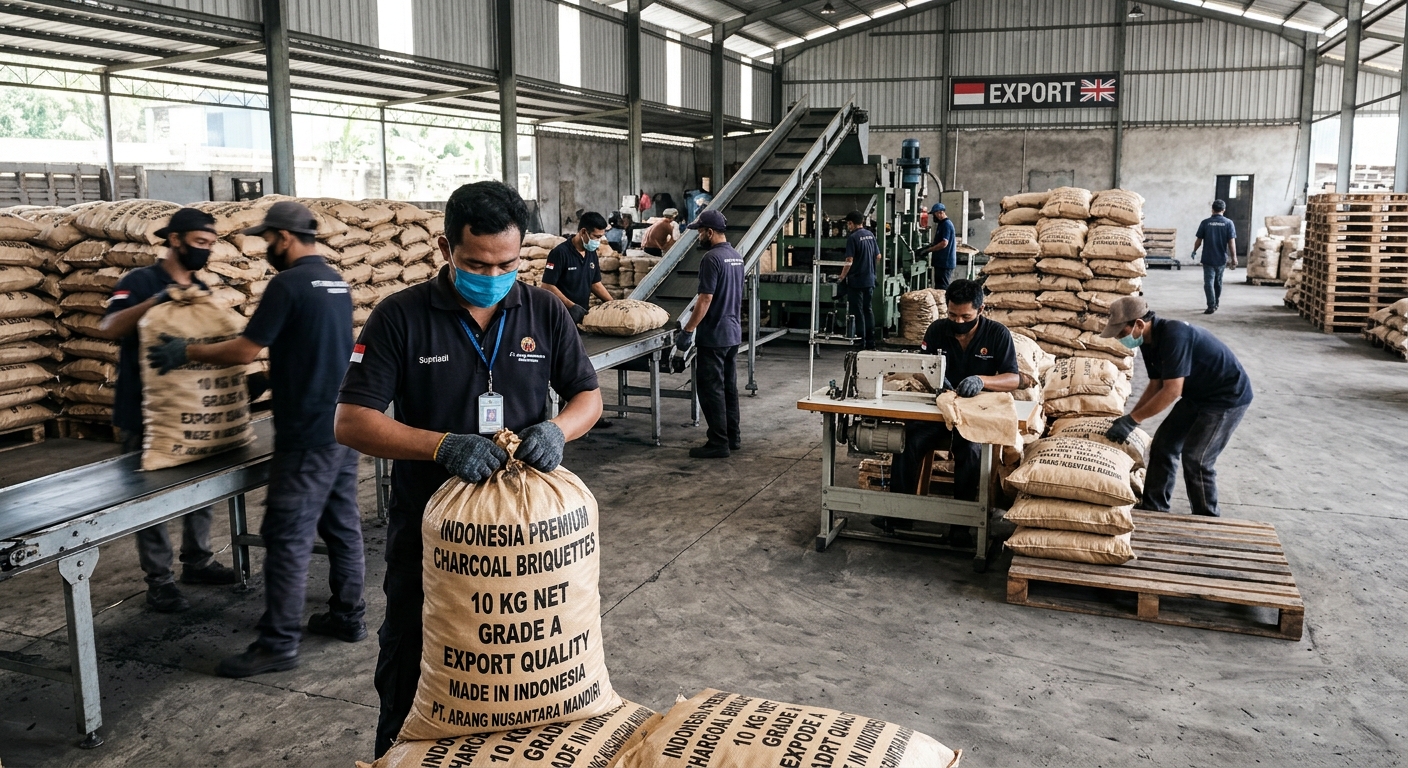
An established Indonesia charcoal briquette export factory follows a rigorous production process to ensure the highest quality output. The journey begins with the careful selection of mature coconut shells, which are then carbonized using a kiln. The resulting charcoal is crushed, pulverized into a fine powder, and mixed with a natural binder, usually tapioca starch.
This mixture is then pressed into various shapes, such as cubes, fingers, or hexagons, depending on the buyer’s requirements. Finally, the briquettes are dried in an industrial oven to reduce moisture content to an optimal level, usually below 5%, ensuring a clean and prolonged burn.
Quality Standards and Export Requirements
To succeed in the international market, an Indonesia charcoal briquette export factory must adhere to stringent quality standards. Buyers look for specific attributes such as high fixed carbon content, low volatile matter, and minimal ash production. Many factories invest in laboratory testing and obtain certifications to prove the quality and safety of their products.
When you Bulk Buy Natural Charcoal Briquettes: A Comprehensive Guide for Buyers, it is crucial to communicate your specific specifications clearly to the factory to ensure the end product meets your market’s expectations.
Comparing Charcoal Briquette Types
Below is a comparison of common charcoal briquette types produced in Indonesia, highlighting their specific characteristics and primary applications.
| Briquette Type | Primary Raw Material | Shape | Primary Application |
|---|---|---|---|
| Shisha/Hookah Briquettes | 100% Coconut Shell | Cube (25x25x25mm) | Shisha smoking |
| BBQ Briquettes | Hardwood / Coconut blend | Hexagonal / Pillow | Barbecue grilling |
| Industrial Briquettes | Sawdust / Mixed biomass | Cylindrical (with hole) | Industrial heating |
Logistics and Shipping from Indonesia
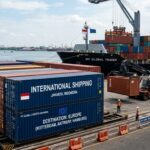
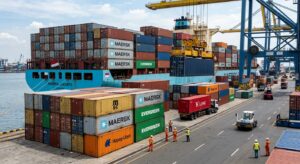
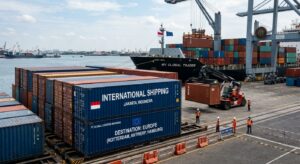
Exporting goods from an Indonesia charcoal briquette export factory involves complex logistics. Charcoal is often classified as a dangerous good (Class 4.2) for maritime transport, requiring specific documentation, packaging, and handling procedures. It is essential to partner with experienced freight forwarders who understand the nuances of shipping this commodity.
For a deep dive into managing these shipments, consult B2B Import from Indonesia: A Comprehensive Logistics Guide. This resource provides valuable insights into optimizing your supply chain and navigating the logistical challenges of importing from Southeast Asia.
Navigating Customs Clearance
Customs clearance is a critical step in the import process. Ensuring all documentation, such as the Bill of Lading, Commercial Invoice, Packing List, and Certificate of Origin, is accurate and complete can prevent costly delays. Additionally, specific certifications regarding the self-heating properties of the charcoal are often required by shipping lines and destination customs authorities.
To better understand the requirements and procedures, refer to A Complete Guide to Customs Clearance When Importing from Indonesia. Being proactive and well-informed will streamline your import process significantly.
Exploring Other Indonesian Agricultural Exports
While an Indonesia charcoal briquette export factory focuses on energy products, the country’s rich agricultural landscape offers other valuable commodities. For instance, the by-products of the coconut industry extend beyond shells. Coconut husks are processed into cocopeat, a highly effective and sustainable growing medium favored by horticulturists worldwide.
If you are diversifying your import portfolio, understanding the pricing and sourcing of these products is beneficial. Check out Indonesia Cocopeat Supplier Bulk Price: Your Guide to Premium Growing Mediums to explore this complementary market.
Conclusion
Partnering with a reliable Indonesia charcoal briquette export factory can be a highly lucrative venture for global distributors and retailers. By understanding the production nuances, maintaining strict quality controls, and masterfully navigating the complex logistics and customs procedures, importers can secure a steady supply of premium, sustainable fuel. As global demand continues to rise, Indonesia remains at the forefront, offering unparalleled quality and scale in charcoal briquette manufacturing.
Frequently Asked Questions (FAQ)
What is the minimum order quantity (MOQ) for an Indonesia charcoal briquette export factory?
Most reputable factories require a minimum order quantity of one 20-foot container, which typically holds around 18 to 20 metric tons of charcoal briquettes, depending on the packaging and stacking method.
Why are coconut shell briquettes preferred for shisha?
Coconut shell briquettes are preferred for shisha because they produce zero smoke, zero odor, and minimal ash (usually under 2.5%). This ensures that the flavor of the shisha tobacco is not altered during the smoking session.
Is shipping charcoal briquettes from Indonesia difficult?
Shipping can be complex because charcoal is often classified as a self-heating dangerous good. Importers must work with suppliers who can provide proper Self-Heating Test certificates (SHT) and partner with freight forwarders experienced in handling IMDG Code cargo.
How can I verify the quality of a supplier before ordering in bulk?
It is highly recommended to request samples before placing a bulk order. Additionally, you should ask the factory for their laboratory test reports detailing fixed carbon, moisture, ash content, and volatile matter, and consider hiring a third-party inspection agency to verify the factory’s production capabilities.