

Introduction to Ocean Freight from Indonesia
Indonesia is a powerhouse in the global export market, supplying the world with everything from raw agricultural goods to manufactured textiles and electronics. As an archipelago, the nation relies heavily on maritime logistics to connect its vast resources with international buyers. Understanding ocean freight costs from Indonesia is crucial for businesses looking to import goods efficiently while maintaining healthy profit margins. This comprehensive guide explores the various components that dictate these shipping costs, the impact of major ports, and strategies to optimize your supply chain.
Key Factors Influencing Ocean Freight Costs
Ocean freight rates are famously volatile, influenced by a complex web of global and regional factors. When shipping from Indonesia, importers must account for several primary variables that will dictate their final logistics bill.
Fuel Costs and Bunker Adjustment Factors
Fuel, or bunker fuel, is one of the most significant expenses for shipping lines. As global crude oil prices fluctuate, ocean carriers pass these costs onto shippers through the Bunker Adjustment Factor (BAF). When fuel prices spike, freight costs from Indonesian ports naturally rise. Conversely, a drop in oil prices can lead to temporary relief in shipping rates.
Seasonal Demand and Peak Season Surcharges
Like any industry, maritime shipping experiences peak seasons. For Indonesia, the period leading up to major Western holidays (such as Christmas and Thanksgiving) sees a massive surge in export volume. During these times, container space becomes scarce, prompting carriers to implement Peak Season Surcharges (PSS) and General Rate Increases (GRI). Planning shipments during off-peak months can result in substantial cost savings.
Container Types and Load Volume
The type of container you require directly impacts your ocean freight costs. Standard dry containers (20ft and 40ft) are the most common and generally the most cost-effective. However, specialized goods, such as perishables requiring refrigerated containers (reefers) or oversized machinery requiring flat rack containers, incur premium rates.
The following table compares the typical container and shipping load options available for ocean freight, highlighting their suitable volume, cost structure, and handling speed.
| Shipping Method | Suitable Volume | Cost Structure | Handling Speed |
|---|---|---|---|
| 20ft Container (FCL) | 10 to 15 CBM | Flat rate per container | Fast (Direct loading) |
| 40ft Container (FCL) | 15 to 30 CBM | Flat rate per container | Fast (Direct loading) |
| LCL (Less than Container Load) | 1 to 10 CBM | Variable rate per CBM | Slower (Consolidation required) |
The Role of Major Indonesian Ports
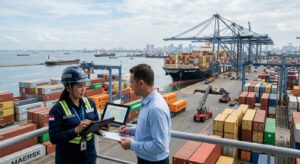
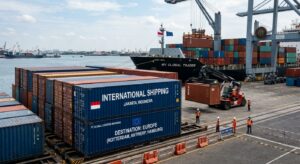
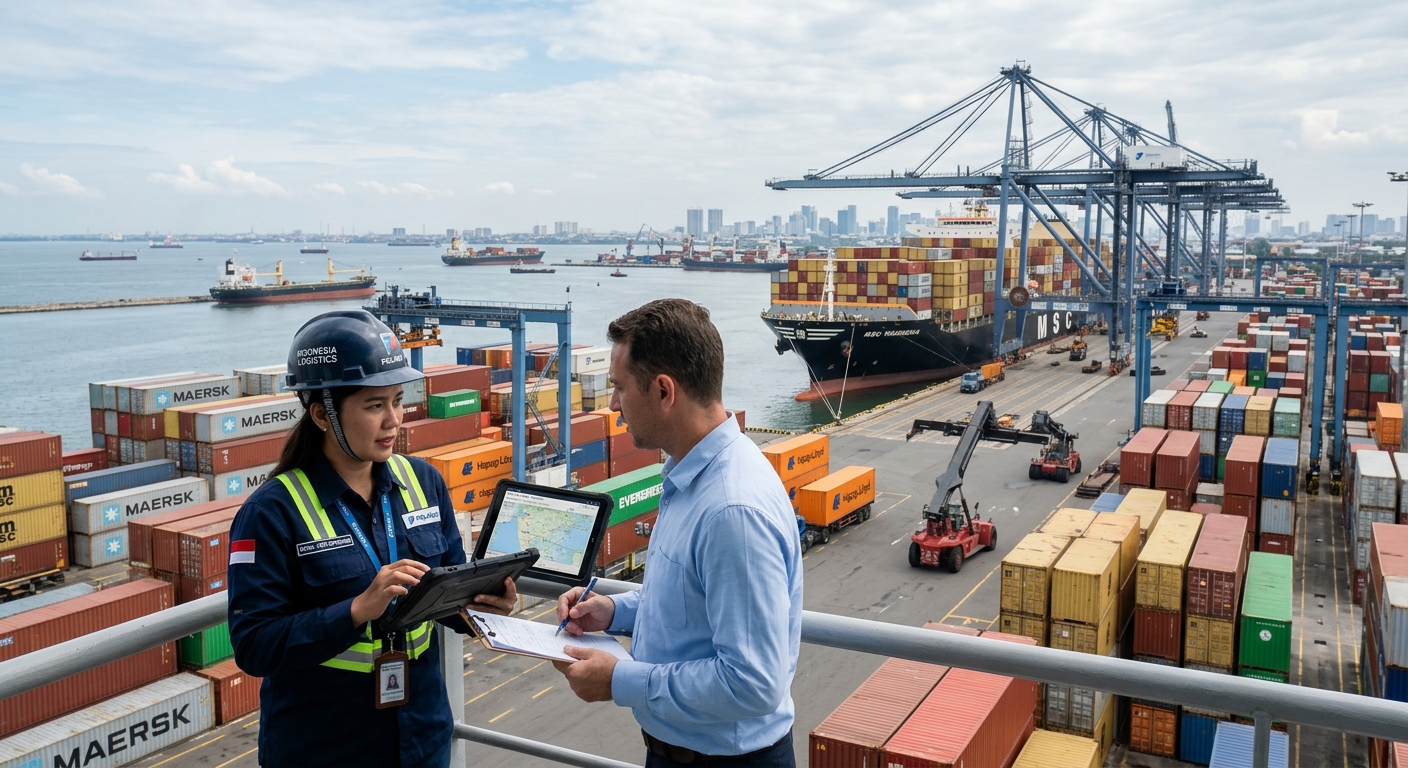
Indonesia boasts several major international seaports, each serving distinct industrial and agricultural hubs. The port of origin plays a significant role in determining your ocean freight costs due to differences in port infrastructure, handling fees, and direct route availability.
Tanjung Priok (Jakarta)
Tanjung Priok is Indonesia’s busiest and most advanced seaport, handling the majority of the country’s international trade. Because it offers the most direct routes to major global hubs, freight rates from Jakarta are often more competitive than from regional ports. However, terminal handling charges can be higher due to congestion and premium infrastructure.
Tanjung Perak (Surabaya)
Serving East Java and eastern Indonesia, Tanjung Perak is a critical hub for agricultural exports, furniture, and raw materials. Many international buyers sourcing specific commodities utilize this port. For instance, if you are reading a Natural Coconut Charcoal Manufacturer Surabaya: A Comprehensive Guide, you will note that exporting these goods primarily happens through Tanjung Perak, which offers specialized facilities for bulk and hazardous materials, albeit sometimes with slightly longer transit times compared to Jakarta.
Belawan (Sumatra)
Belawan is the primary gateway for Sumatra’s vast agricultural exports, including palm oil, rubber, and coconut derivatives. Sourcing from this region requires understanding localized logistics. If you are consulting a Bulk Organic Cocopeat Exporter Sumatra: The Ultimate Sourcing Guide, you will find that routing shipments through Belawan often involves different feeder vessel networks, which can influence the final ocean freight cost to destination ports in Europe or the Americas.
Trade Agreements and Regulatory Impacts
Ocean freight costs are not solely determined by carriers and ports; international trade agreements play a pivotal role in the overall landed cost of goods. By reducing tariffs and streamlining customs procedures, bilateral and multilateral agreements can indirectly lower logistics friction.
For example, upcoming trade negotiations and agreements between Indonesia and the European Union are poised to reshape export dynamics. To understand these macroeconomic shifts, importers should review the IEU-CEPA Impact on Indonesia Trade: A Comprehensive Analysis. Agreements like these often lead to increased shipping volumes, which can drive economies of scale and potentially stabilize volatile freight rates on specific trade lanes.
How Freight Forwarders Optimize Costs
Navigating the complexities of Indonesian customs, port tariffs, and carrier negotiations is challenging for foreign buyers. This is where a reliable freight forwarder becomes indispensable. A skilled forwarder aggregates volume, negotiates better rates with shipping lines, and handles the intricate paperwork required for export.
Choosing the right partner can drastically reduce unexpected fees, such as demurrage and detention charges. For a detailed walkthrough on selecting the best logistics partner, refer to the Comprehensive Guide to Choosing an Indonesia Freight Forwarder for Export. Their local expertise ensures that inland transportation to the port is synchronized with vessel cut-off times, preventing costly delays.
Additional Surcharges to Monitor
When calculating ocean freight costs from Indonesia, the base rate is only one part of the equation. Importers must be vigilant about various surcharges that can inflate the final invoice:
- Terminal Handling Charges (THC): Fees levied by the port authorities for moving the container from the truck to the vessel.
- Customs Clearance Fees: Costs associated with processing the required export documentation through Indonesian customs (Bea Cukai).
- Bill of Lading Fee: Administrative charge for issuing the official shipping document.
- Low Sulphur Surcharge (LSS): A fee implemented by carriers to cover the cost of using cleaner, more expensive marine fuels to comply with environmental regulations.
Conclusion
Ocean freight costs from Indonesia are shaped by a dynamic interplay of global fuel prices, seasonal demand, port capabilities, and the specific nature of the goods being shipped. By understanding the differences between major ports like Jakarta, Surabaya, and Belawan, and by leveraging the expertise of local freight forwarders, international importers can build a more resilient and cost-effective supply chain. Staying informed about geopolitical trade agreements and market trends will further empower businesses to negotiate better rates and forecast their logistics budgets accurately.
Frequently Asked Questions (FAQ)
What is the most cost-effective way to ship small volumes from Indonesia?
For small volumes generally under 10-15 cubic meters, Less than Container Load (LCL) is the most cost-effective method. Your goods will share container space with other shipments, meaning you only pay for the volume your cargo occupies, rather than the flat rate of a full container.
How long does ocean freight from Indonesia typically take?
Transit times vary significantly based on the destination. Shipping from Indonesia to the West Coast of the United States generally takes 25 to 35 days, while shipments to major European ports can take 30 to 45 days. Regional shipments within Asia usually arrive in 7 to 14 days.
Why do ocean freight rates from Indonesia fluctuate so much?
Rates fluctuate due to a combination of supply and demand imbalances, seasonal peaks, fluctuating global oil prices, container shortages, and broader macroeconomic factors affecting global trade lanes. Carrier alliances adjusting their capacity can also cause sudden rate shifts.
Does the choice of Indonesian port affect my shipping cost?
Yes. Ports with direct international sailings, like Tanjung Priok in Jakarta, often offer more competitive ocean freight rates. Regional ports might require feeder vessels to transport containers to a major hub (like Singapore or Port Klang) before loading them onto a mother vessel, which can increase both costs and transit times.