

Introduction to White Label Manufacturing in Indonesia
In recent years, Indonesia has emerged as a powerhouse in the global manufacturing sector. With a robust economy, abundant natural resources, and a strategic location in Southeast Asia, the country offers significant opportunities for businesses seeking high-quality white label manufacturing. Finding reliable white label manufacturers in Indonesia can be a game-changer for entrepreneurs and established brands looking to scale their operations without investing heavily in their own production facilities.
White label manufacturing allows you to purchase generic products from a manufacturer and rebrand them as your own. This model is incredibly popular across various industries, including agriculture, cosmetics, textiles, and household goods. The key to success in this venture lies in identifying and partnering with a manufacturer who can consistently deliver quality products that align with your brand standards.
Why Choose Indonesia for White Label Manufacturing?
Indonesia offers a unique blend of advantages that make it an attractive destination for white label manufacturing. Firstly, the labor costs are highly competitive compared to other manufacturing hubs, allowing for better profit margins. Secondly, the government has been proactive in improving infrastructure and easing business regulations to attract foreign investment. For instance, understanding the trade agreements can provide significant cost benefits; you can learn more by reading the Comprehensive Guide to IEU CEPA Tariff Reductions for Importers.
Furthermore, Indonesia is rich in natural resources, making it an ideal location for sourcing specific raw materials. Whether you are looking for agricultural products, textiles, or specialized goods, the local availability of raw materials can significantly reduce production costs and lead times.
Key Industries for White Label Manufacturing in Indonesia
Agricultural and Plantation Products
Indonesia is world-renowned for its agricultural output. The country is a leading producer of commodities like palm oil, coffee, and coconut derivatives. If you are venturing into products based on these raw materials, it is crucial to understand the regulatory landscape. For example, those interested in palm oil products should consult the Comprehensive Guide to the Crude Palm Oil HS Code in Indonesia: Export Regulations and Classifications to ensure compliance and smooth operations.
Coconut Derivatives
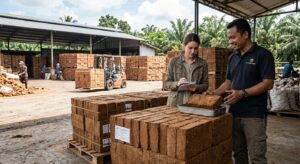
The coconut industry is vast and offers numerous opportunities for white labeling. Products ranging from coconut water and oil to specialized items like charcoal and growing mediums are highly sought after globally. For brands looking to market eco-friendly grilling or hookah products, exploring options like Custom Packaging Coconut Charcoal OEM: A Comprehensive Guide can provide valuable insights. Additionally, for agricultural businesses, finding a reliable Indonesia Cocopeat Supplier Bulk Price: Your Guide to Premium Growing Mediums is essential for ensuring product quality and competitive pricing.
Textiles and Apparel
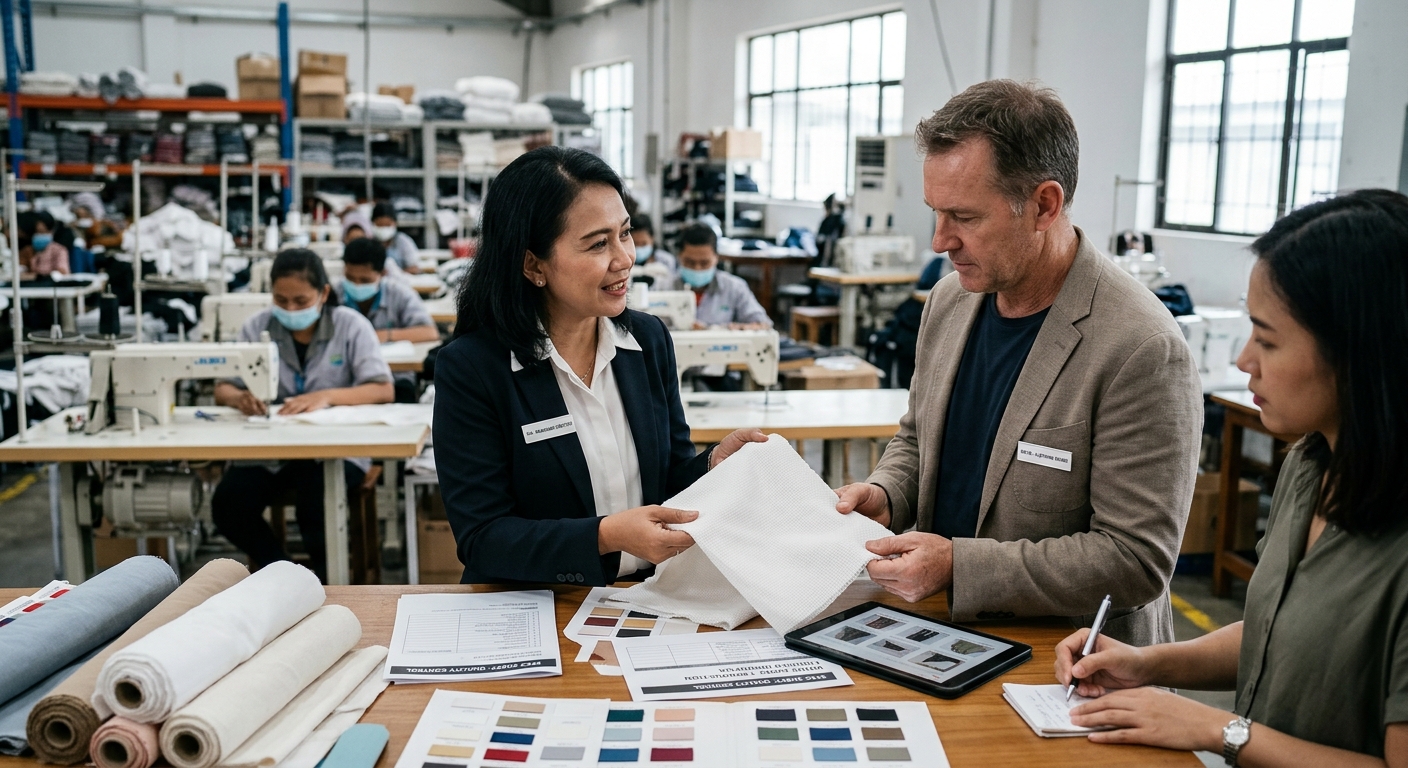
The textile industry in Indonesia is well-established, offering extensive capabilities in producing garments, fabrics, and accessories. With a skilled workforce and modern machinery, manufacturers can handle large-scale orders while maintaining high-quality standards. This makes Indonesia a preferred destination for fashion brands looking for reliable white label partners.
Steps to Find Reliable Manufacturers
1. Conduct Thorough Market Research
Before reaching out to potential manufacturers, it is imperative to conduct comprehensive market research. Understand the landscape of your specific industry in Indonesia. Identify the major hubs for production; for instance, Java is known for textiles and manufacturing, while Sumatra and Kalimantan are prominent for agricultural products.
2. Utilize Online B2B Directories
Online B2B platforms are excellent starting points for finding manufacturers. Websites specifically tailored to global trade often list verified suppliers from Indonesia. Look for manufacturers with comprehensive profiles, positive reviews, and verifiable certifications.
3. Attend Trade Shows and Exhibitions
Trade Exhibition events such as Trade Expo Indonesia (TEI) provide unparalleled opportunities to meet manufacturers face-to-face. These events allow you to inspect product samples, discuss capabilities directly with company representatives, and build personal relationships, which are highly valued in Indonesian business culture.
4. Verify Credentials and Certifications
Reliability is often backed by recognized certifications. Depending on your industry, ensure that the manufacturer holds necessary certifications such as ISO (International Organization for Standardization), Halal certification (crucial for food and cosmetics in many markets), or specific agricultural standards. Requesting and verifying these documents is a critical step in the vetting process.
Evaluating Potential Manufacturing Partners
Once you have a shortlist of potential white label manufacturers, the evaluation phase begins. This involves assessing their capabilities, quality control processes, and business practices.
- Production Capacity: Ensure the manufacturer can handle your initial order volume and scale up as your business grows.
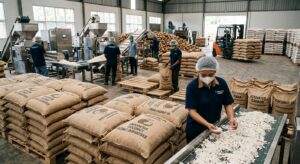
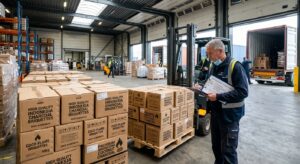
- Quality Control: Inquire about their quality assurance protocols. A reliable manufacturer will have strict procedures in place to monitor production at every stage.
- Communication: Effective communication is vital. Assess their responsiveness and proficiency in English to prevent misunderstandings down the line.
- Sample Assessment: Always request product samples before finalizing a contract. This allows you to evaluate the quality firsthand and ensure it meets your brand’s standards.
Navigating Legal and Logistics Aspects
Partnering with a manufacturer in Indonesia also involves navigating legal agreements and international logistics. It is advisable to work with legal counsel familiar with Indonesian commercial law to draft clear and enforceable contracts. These agreements should detail payment terms, delivery schedules, quality standards, and intellectual property protection.
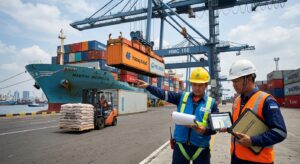
On the logistics front, understanding shipping routes, freight costs, and import/export regulations is essential. Collaborating with experienced freight forwarders can streamline the shipping process, ensuring your goods arrive on time and in good condition.
Building a Long-Term Relationship
In Indonesia, business relationships are heavily relationship-driven. Investing time in building trust and mutual respect with your manufacturing partner can lead to better pricing, priority in production schedules, and a willingness to accommodate special requests. Regular communication, occasional visits to the manufacturing facility, and transparent business practices will foster a strong, long-lasting partnership.
Conclusion
Finding reliable white label manufacturers in Indonesia requires diligence, thorough research, and a strategic approach. By leveraging the country’s diverse industries, competitive costs, and skilled workforce, businesses can successfully source high-quality products to elevate their brands. Whether you are sourcing textiles, coconut derivatives, or palm oil products, ensuring comprehensive vetting and building strong relationships will pave the way for a successful manufacturing partnership.
Frequently Asked Questions
What are the benefits of white label manufacturing in Indonesia?
Indonesia offers competitive labor costs, a wealth of natural resources, strategic geographic location, and proactive government policies that support foreign trade, making it a highly cost-effective and reliable destination for white label manufacturing.
How can I verify the reliability of an Indonesian manufacturer?
You can verify a manufacturer’s reliability by checking their credentials and certifications (such as ISO or Halal), requesting product samples, visiting their facilities, and asking for references from past or current international clients.
Do I need to visit Indonesia to secure a manufacturing partner?
While not strictly necessary thanks to digital communication and B2B platforms, visiting Indonesia to attend trade shows or tour manufacturing facilities is highly recommended. Face-to-face interactions help build trust and provide a clearer understanding of the manufacturer’s capabilities.
What should be included in a manufacturing contract?
A comprehensive manufacturing contract should include detailed product specifications, quality control standards, production timelines, payment terms, intellectual property protection clauses, and dispute resolution mechanisms.