

Introduction to Indonesia’s Agricultural Export Landscape
Indonesia is one of the world’s leading exporters of agricultural commodities. From palm oil and coffee to spices and coconut products, the archipelago offers a rich bounty of natural resources sought after globally. However, navigating the Indonesia export regulations for agricultural products can be complex for both new and experienced traders. Understanding these rules is crucial to ensure smooth operations, compliance with international standards, and avoiding costly penalties.
This comprehensive guide will delve into the regulatory framework, necessary documentation, export taxes, and specific rules governing key agricultural commodities in Indonesia.
The Regulatory Framework for Agricultural Exports
The Indonesian government, primarily through the Ministry of Trade and the Ministry of Agriculture, heavily regulates the export of agricultural products. The primary goals of these regulations are to maintain domestic supply, ensure product quality, and maximize state revenue.
Key Government Bodies Involved
- Ministry of Trade (Kementerian Perdagangan): Issues general export licenses and sets quotas or bans when necessary.
- Ministry of Agriculture (Kementerian Pertanian): Oversees phytosanitary standards and issues health certificates for plant-based products.
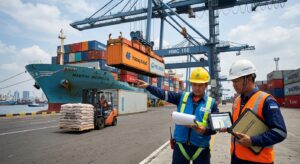
- Directorate General of Customs and Excise (Bea Cukai): Manages the actual clearance of goods at ports and collects export duties.
Essential Export Documentation
To successfully export agricultural products from Indonesia, businesses must prepare a specific set of documents. Failure to provide accurate documentation can lead to delays or confiscation of goods.
Standard Required Documents
- Business Identification Number (NIB): Acts as the primary company registration and export license.
- Taxpayer Identification Number (NPWP): Required for all tax-related transactions.
- Commercial Invoice and Packing List: Detailing the goods, value, and packaging.
- Bill of Lading (B/L) or Airway Bill: The transport document issued by the carrier.
- Certificate of Origin (SKA): Proving the goods originated in Indonesia, often required for tariff benefits in the destination country.
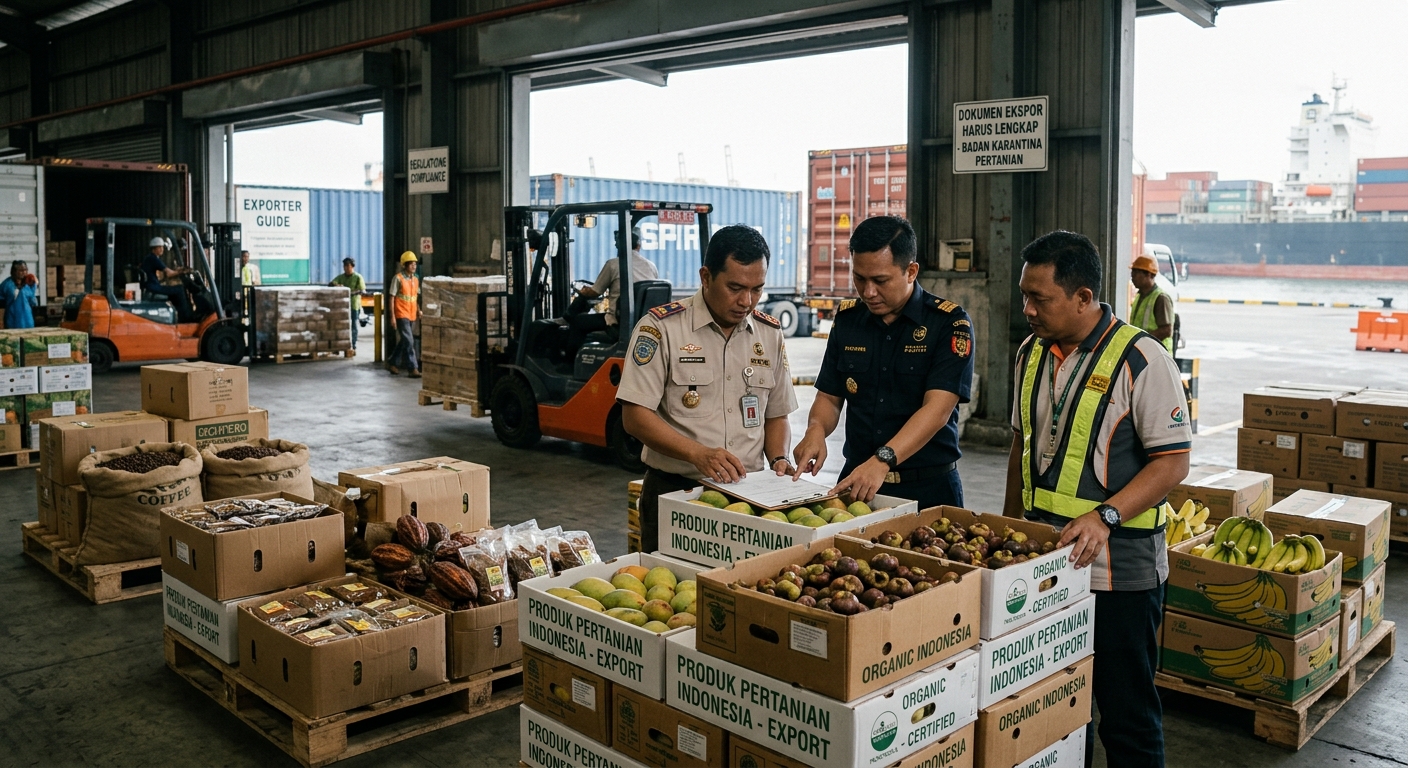
- Phytosanitary Certificate: Issued by the Agricultural Quarantine Agency to certify the products are free from pests and diseases.
For those looking to streamline their sourcing and documentation process, reading a Comprehensive Guide to Working with an Indonesia Agricultural Commodity Sourcing Agent can provide valuable insights into partnering with local experts.
Product-Specific Regulations and Taxes
While general regulations apply to all agricultural exports, certain commodities have specific rules, export taxes, or outright bans depending on domestic market conditions.
Crude Palm Oil (CPO) and Derivatives
Indonesia is the world’s largest producer of palm oil. Because it is a staple for domestic cooking oil, the government frequently adjusts export regulations to stabilize local prices. This includes variable export levies and duties. For a deeper dive into this topic, it is highly recommended to read Understanding Indonesia Export Taxes on Crude Palm Oil: A Comprehensive Guide, which outlines the current tax structures and compliance requirements.
Coconut Products and Charcoal
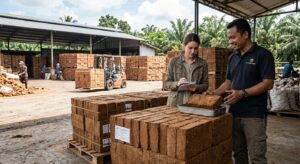
Coconut derivatives, including copra, desiccated coconut, and coconut shell charcoal, are major export items. Coconut charcoal, highly valued for shisha and briquettes, requires specific handling and safety data sheets (MSDS) due to its combustible nature. If you are sourcing this commodity, reviewing A Complete Guide to Choosing a Bulk Coconut Charcoal Supplier in Indonesia will help you navigate supplier selection and export compliance.
Coffee and Spices
Exports of coffee, cloves, nutmeg, and pepper generally require standard phytosanitary certificates. However, exporters must also ensure that moisture content and grading meet the strict standards set by the Indonesian National Standard (SNI) and the destination country’s food safety authorities.
Quality Control and Phytosanitary Compliance
Agricultural products are heavily scrutinized at international borders. Indonesia’s Agricultural Quarantine Agency (Barantan) is responsible for ensuring that exports do not carry pests or diseases.
| Commodity Type | Key Inspection Criteria | Required Certificate |
|---|---|---|
| Fresh Fruits & Vegetables | Pest absence, pesticide residue limits | Phytosanitary Certificate |
| Processed Spices | Moisture content, mold/aflatoxin levels | Health Certificate / Phytosanitary |
| Wood & Wood Products | Fumigation, SVLK (Timber Legality) | V-Legal / Phytosanitary |
Exporters must often arrange for treatments such as fumigation or heat treatment prior to shipment, depending on the requirements of the importing country.
Conclusion
Exporting agricultural products from Indonesia presents immense opportunities but requires a thorough understanding of the regulatory landscape. From securing the correct licenses (NIB) to navigating commodity-specific export taxes and passing rigorous phytosanitary inspections, compliance is non-negotiable. By staying updated on government policies, utilizing local sourcing agents, and ensuring all documentation is meticulous, exporters can successfully tap into Indonesia’s rich agricultural resources and build profitable international trading businesses.
Frequently Asked Questions (FAQ)
What is the most important license needed to export agricultural products from Indonesia?
The most important license is the Business Identification Number (NIB), which serves as a general company registration and also acts as the basic export license (Angka Pengenal Ekspor – APE) for the business.
Do all agricultural exports from Indonesia require a Phytosanitary Certificate?
Yes, almost all raw and semi-processed agricultural products require a Phytosanitary Certificate issued by the Indonesian Agricultural Quarantine Agency to prove the goods are free from pests and diseases.
Are there export taxes on Indonesian agricultural products?
It depends on the commodity. While many raw agricultural products like certain spices or fruits may not have specific export taxes, key commodities like Crude Palm Oil (CPO) and cocoa beans are subject to variable export duties and levies based on global market prices.