

Introduction to Indonesian Commodity Sourcing
Indonesia has long been recognized as a global powerhouse in the production and exportation of raw and semi-processed commodities. From agricultural staples like palm oil, coffee, and spices to energy resources like coal and innovative biofuel alternatives, the archipelago offers a wealth of opportunities for international buyers. However, sourcing directly from local producers has historically presented challenges, ranging from language barriers and geographical distance to complex regulatory landscapes. Today, the emergence of specialized B2B sourcing platforms in Indonesia is revolutionizing how global enterprises connect with local suppliers, streamlining the procurement process, and ensuring transparency across the supply chain.
The Rise of B2B Sourcing Platforms in Indonesia
In recent years, the digital transformation of Indonesia’s trade sector has accelerated the development of robust B2B sourcing platforms. These digital marketplaces act as vital intermediaries, bridging the gap between international buyers and verified local producers. By utilizing a reliable B2B sourcing platform in Indonesia, businesses can mitigate the risks associated with international trade, such as fraud, quality inconsistencies, and logistical bottlenecks.
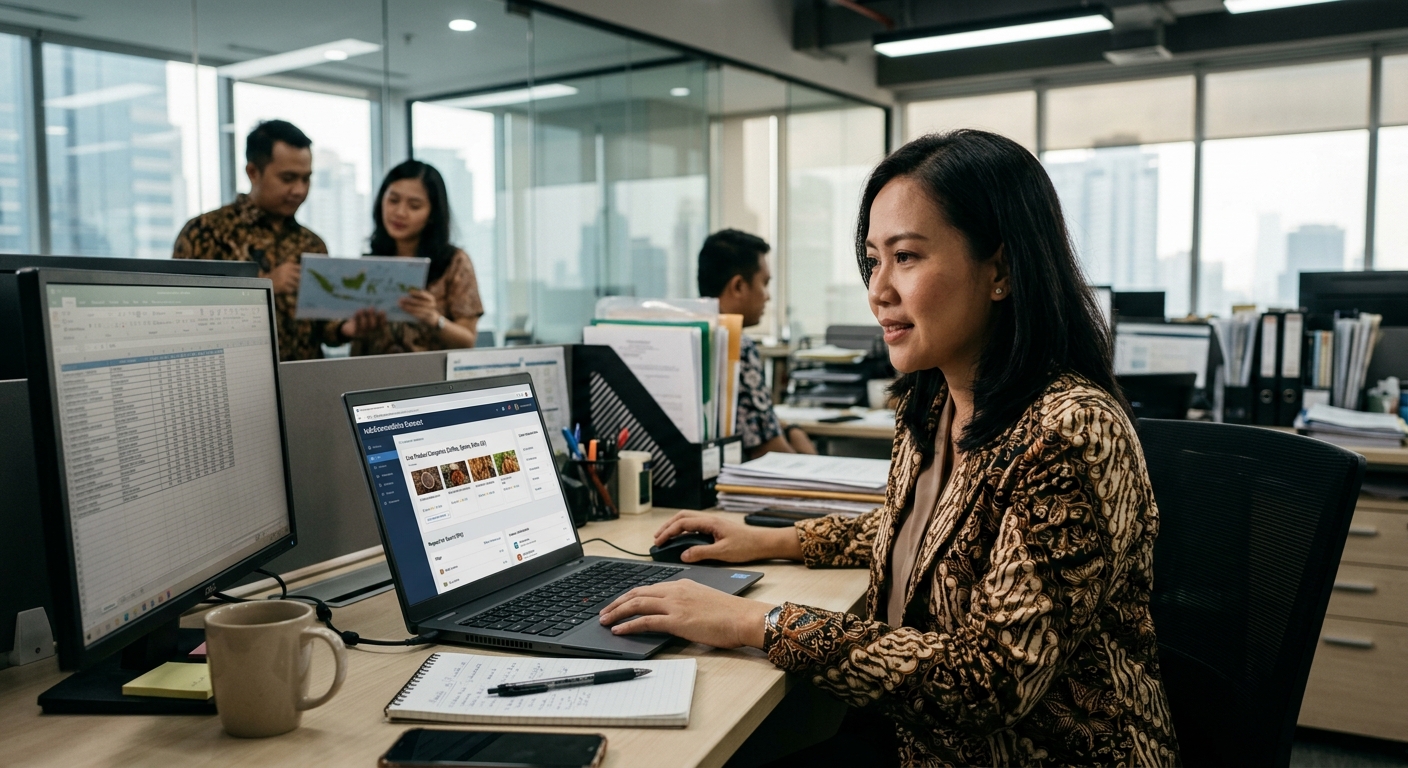
These platforms offer a centralized hub where buyers can browse product catalogs, request quotations, negotiate terms, and arrange for shipping and quality inspections. Furthermore, they often provide valuable market intelligence, helping buyers stay informed about price fluctuations and seasonal supply variations. By integrating secure payment gateways and escrow services, B2B platforms build trust and facilitate smoother transactions between parties who may be conducting business across thousands of miles.
Key Indonesian Commodities to Source
Indonesia’s diverse climate and rich natural resources allow it to produce a wide array of commodities. Understanding the primary exports can help businesses focus their sourcing strategies effectively.
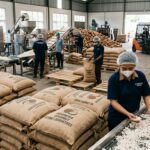
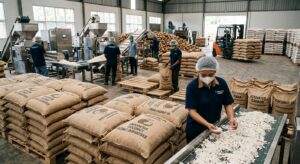
- Agricultural Products: Indonesia is a top producer of palm oil, rubber, coffee, cocoa, and various spices such as nutmeg, cloves, and pepper. These products are foundational to the global food and beverage, cosmetics, and manufacturing industries.
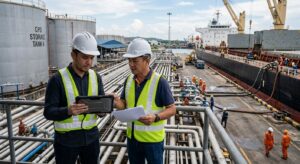
- Minerals and Energy: The country is a major exporter of thermal coal, nickel, tin, and copper. These minerals are critical for global infrastructure projects, steel manufacturing, and the rapidly growing electric vehicle battery market.
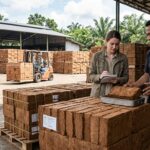
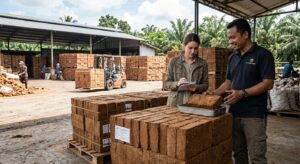
- Eco-Friendly Alternatives: There is a growing global demand for sustainable products, and Indonesia is leading the charge in items like coconut charcoal briquettes. For those interested in the specifics of this lucrative market, reading The Ultimate Guide to High Carbon Coconut Charcoal Briquettes: Quality, Uses, and Benefits provides invaluable insights into product specifications and market applications.
Navigating Export Regulations and Licensing
Sourcing commodities from Indonesia requires a deep understanding of local export regulations. The Indonesian government implements various policies to protect its natural resources, ensure domestic supply, and promote downstream processing. This means that exporting certain commodities may require specific licenses, quotas, or adherence to strict quality standards.
For international buyers, navigating this bureaucratic landscape can be daunting. Fortunately, many B2B sourcing platforms partner with or offer in-house trade compliance experts. To understand the intricacies of obtaining the necessary permits, buyers should consult resources like the Comprehensive Guide to Indonesian Export License Procurement Services. Proper licensing ensures that your shipments are not delayed at customs and that you remain compliant with both Indonesian laws and international trade regulations.
Logistics and the Export Process
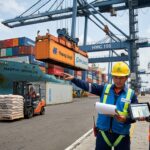
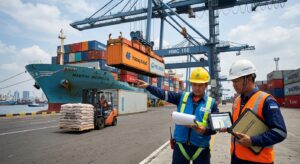
Once a supplier is selected and licenses are secured, the physical movement of goods presents the next hurdle. Indonesia’s geography, comprising over 17,000 islands, makes domestic logistics inherently complex. Transporting commodities from rural plantations or remote mines to major international ports like Tanjung Priok in Jakarta or Tanjung Perak in Surabaya requires meticulous planning.
B2B platforms often integrate logistics solutions, connecting buyers with reliable freight forwarders and shipping lines. Understanding the specific export workflow for your chosen commodity is crucial. For instance, the export of combustible materials requires specialized handling and documentation. Buyers dealing in these goods should review The Complete Guide to the Indonesia Charcoal Briquette Export Process to ensure all safety protocols and export procedures are strictly followed, minimizing the risk of cargo rejection or catastrophic delays.
The Impact of Trade Agreements on Sourcing
International trade agreements play a pivotal role in shaping the cost-effectiveness of sourcing from Indonesia. By reducing or eliminating tariffs and standardizing trade protocols, these agreements can significantly lower the landed cost of commodities.
Indonesia is an active participant in various regional and bilateral trade negotiations. For European buyers, monitoring the progress of agreements with the European Union is essential for strategic planning. To stay updated on these developments, reading the IEU CEPA Trade Agreement Status: A Comprehensive Guide will provide clarity on potential tariff reductions, sustainability requirements, and market access improvements that could drastically alter the sourcing landscape.
Evaluating and Choosing the Right B2B Platform
Not all B2B sourcing platforms are created equal. When selecting a platform to procure Indonesian commodities, buyers must evaluate several critical features to ensure they are making a sound investment of their time and resources.
| Platform Feature | Importance for International Buyers |
|---|---|
| Supplier Verification | Ensures that the producers are legitimate, financially stable, and capable of fulfilling large orders. |
| Secure Payment Gateways | Protects capital by using escrow services, releasing funds only when quality and shipping milestones are met. |
| Integrated Logistics | Simplifies the supply chain by offering end-to-end freight forwarding and customs clearance services. |
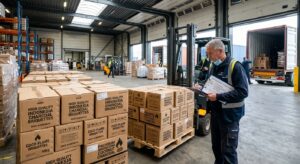
| Quality Control Services | Provides access to third-party inspection agencies to verify commodity grades before shipment. |
Conclusion
Sourcing commodities from Indonesia presents a massive opportunity for global businesses seeking high-quality materials at competitive prices. The rise of dedicated B2B sourcing platforms has democratized access to this rich market, providing the tools necessary to overcome geographical, linguistic, and regulatory barriers. By leveraging these platforms, understanding local export licenses, mastering the logistics process, and staying informed about international trade agreements, buyers can build resilient, profitable, and sustainable supply chains. As Indonesia continues to integrate into the global digital economy, the efficiency and reliability of these B2B platforms will only improve, cementing the country’s status as a premier destination for commodity procurement.
Frequently Asked Questions
What are the main benefits of using a B2B sourcing platform in Indonesia?
B2B sourcing platforms provide a centralized, secure environment for international buyers to connect with verified Indonesian suppliers. They mitigate risks through supplier vetting, offer secure payment options, and often provide integrated logistics and quality inspection services, making the procurement process significantly more efficient.
Do I need a special license to import commodities from Indonesia?
While the buyer generally needs standard import licenses in their destination country, the Indonesian supplier must possess the appropriate export licenses. Depending on the commodity (such as certain woods, minerals, or processed goods), specific quotas and permits are mandated by the Indonesian government. A good B2B platform will ensure suppliers have these credentials.
How do trade agreements affect commodity pricing from Indonesia?
Trade agreements, such as ASEAN Free Trade Area agreements or bilateral agreements like the IEU CEPA, can reduce or eliminate export and import tariffs. This directly lowers the landed cost of the commodities, making Indonesian products more competitive in the global market.
How can I ensure the quality of the commodities before they are shipped?
Reputable B2B platforms typically integrate or partner with third-party inspection agencies (such as SGS or Sucofindo). These agencies conduct pre-shipment inspections to verify that the commodities meet the agreed-upon specifications, grades, and safety standards before they are loaded onto the vessel.