

Introduction to Indonesia Export Customs Clearance
Exporting goods from Indonesia offers immense opportunities for global trade, but navigating the complex regulatory environment requires expertise. An Indonesia export customs clearance agent plays a crucial role in ensuring that shipments comply with local laws and international standards. These professionals handle documentation, tariff classification, and coordination with various government agencies, allowing businesses to focus on their core operations.
Understanding the intricacies of the Indonesian customs system is essential for smooth export operations. This article delves into the responsibilities of customs clearance agents, the export process in Indonesia, and how to select the right partner for your business needs.
The Role of a Customs Clearance Agent in Indonesia
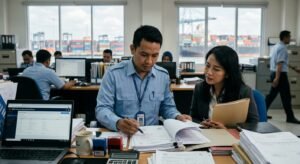
A customs clearance agent, or customs broker, acts as an intermediary between the exporter and the Indonesian Directorate General of Customs and Excise (DJBC). Their primary responsibilities include preparing and submitting the required export documentation, such as the Pemberitahuan Ekspor Barang (PEB) or Export Declaration. They ensure that all information is accurate and submitted in a timely manner to avoid delays or penalties.
Furthermore, agents assist in determining the correct Harmonized System (HS) codes for products, which is vital for calculating any applicable export duties or taxes. For businesses involved in specific industries, such as the Coconut Shell Charcoal Factory in Java: A Comprehensive Industry Overview, having an agent with sector-specific knowledge can streamline the process significantly, as they understand the unique permits and certificates required.
The Export Clearance Process
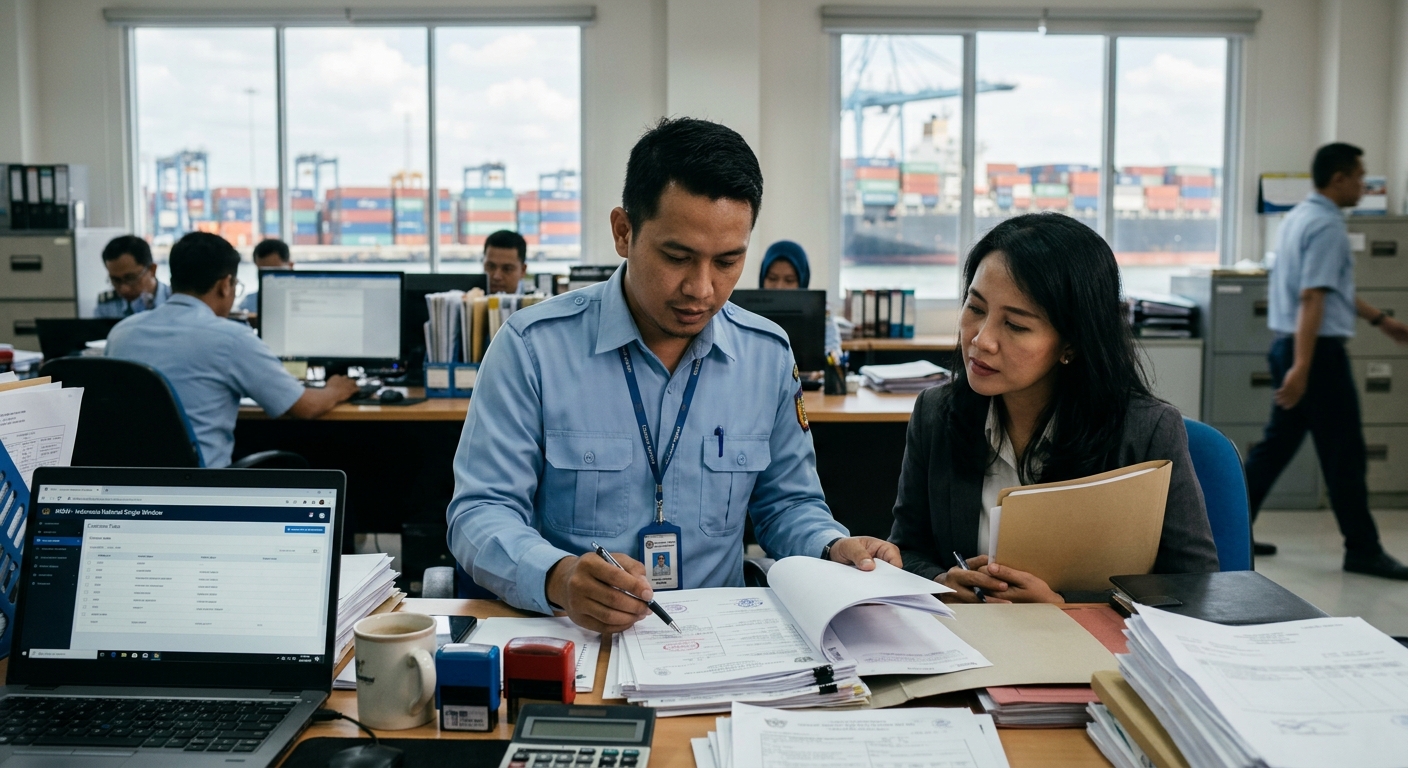
The export clearance process in Indonesia involves several key steps. First, the exporter must obtain a Customs Identification Number (Nomor Identitas Kepabeanan or NIK) and a Business Identification Number (Nomor Induk Berusaha or NIB). Once these are secured, the exporter or their agent prepares the PEB and submits it electronically via the Indonesia National Single Window (INSW) system.
After submission, customs authorities review the declaration. Depending on the risk profile of the exporter and the nature of the goods, the shipment may be cleared immediately, or it may be selected for documentary review or physical inspection. During this phase, having a reliable agent is invaluable. For instance, if you are working with a A Complete Guide to Partnering with a Wholesale Coconut Products Distributor in Indonesia, the agent ensures that phytosanitary certificates and other specific documents are perfectly in order to prevent holdups.
Required Documentation for Exporting from Indonesia
Accurate documentation is the backbone of successful customs clearance. The standard documents required for exporting from Indonesia typically include:
- Commercial Invoice: Detailing the transaction between the buyer and seller.
- Packing List: Specifying the contents, weight, and dimensions of each package.
- Bill of Lading (B/L) or Air Waybill (AWB): The transport document issued by the carrier.
- Export Declaration (PEB): The official notification to customs.
- Certificate of Origin (CoO): Required if the destination country grants preferential tariff treatment.
- Specific Permits: Depending on the goods, such as fumigation certificates for wood products or health certificates for food items.
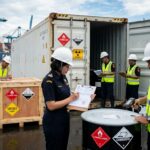
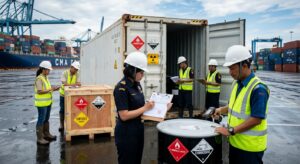
For specialized products, such as those produced by an Indonesia Coconut Charcoal Shisha Factory: The Ultimate Guide, additional safety data sheets (MSDS) or specific transport declarations for hazardous materials may be required. An experienced customs agent will anticipate these requirements and ensure they are met before the cargo reaches the port.
Choosing the Right Customs Clearance Agent
Selecting the right customs clearance agent is a strategic decision for any exporting business. Consider the following factors when making your choice:
- Experience and Expertise: Look for agents with a proven track record in handling goods similar to yours. Familiarity with your specific industry can expedite the clearance process.
- Licensing and Compliance: Ensure the agent is properly licensed by the Indonesian authorities and adheres to a strict code of ethics and compliance.
- Technology Integration: A modern agent should utilize advanced software that integrates with the INSW for efficient processing and real-time tracking of shipments.
- Network and Relationships: Good relationships with port authorities, shipping lines, and government agencies can help resolve issues swiftly if they arise.
If your business utilizes a Maklon Coconut Charcoal Manufacturer Indonesia: Your Complete Guide for production, finding an agent who understands the nuances of contract manufacturing and export can provide a significant advantage in coordinating the logistics chain seamlessly.
Common Challenges in Indonesian Export Customs
Despite careful planning, exporters may encounter challenges during the customs clearance process. Common issues include:
- Inaccurate Documentation: Errors in the commercial invoice or packing list can lead to significant delays and physical inspections.
- HS Code Misclassification: Incorrectly classifying goods can result in the underpayment or overpayment of export duties, potentially leading to fines.
- Changing Regulations: Indonesian customs regulations can change frequently. Staying updated is a challenge that a dedicated agent can manage for you.
- System Outages: Occasional downtime of the INSW or other electronic data interchange (EDI) systems can stall the submission of the PEB.
A proactive customs clearance agent will audit documents thoroughly before submission and maintain open communication with customs officials to mitigate these risks.
Comparing Customs Clearance Service Models
Below is a comparison of different service models offered by customs clearance agents in Indonesia to help you understand which might best suit your operational needs.
| Service Model | Scope of Work | Ideal For | Cost Structure |
|---|---|---|---|
| Basic Brokerage | PEB submission and standard document processing only. | Experienced exporters with in-house logistics teams. | Per-transaction flat fee. |
| End-to-End Logistics | Customs clearance, freight forwarding, trucking, and warehousing. | Companies needing a hands-off, all-in-one solution. | Comprehensive quoted package. |
| Consulting & Compliance | Tariff classification, regulatory advice, and audit preparation alongside clearance. | Businesses exporting complex or highly regulated goods. | Retainer plus transaction fees. |
Conclusion
Partnering with a competent Indonesia export customs clearance agent is essential for navigating the complexities of international trade. By ensuring accurate documentation, proper classification, and adherence to evolving regulations, these professionals safeguard your supply chain against costly delays and penalties. Whether you are exporting standard commodities or specialized products, investing in the right customs brokerage services will ultimately enhance your competitiveness in the global market.
Frequently Asked Questions (FAQ)
What is a PEB in Indonesian customs?
PEB stands for Pemberitahuan Ekspor Barang, which translates to Export Declaration. It is the official document submitted to Indonesian customs detailing the goods being exported, their value, and destination.
Do I need a specific license to export from Indonesia?
Yes, businesses must possess a Business Identification Number (NIB) which acts as the basic export license, along with a Customs Identification Number (NIK). Some specific goods may require additional export permits from relevant ministries.
How long does the export customs clearance process take in Indonesia?
If all documentation is accurate and submitted electronically without issues, clearance can be granted within a few hours. However, if the shipment is selected for physical inspection, the process can take several days.
Can a customs clearance agent help with calculating export duties?
Absolutely. A qualified agent will determine the correct HS code for your goods and advise you on any applicable export duties, taxes, or non-tax state revenues (PNBP) required prior to export.