

When preparing for the barbecue season or stocking a retail business, securing a reliable supply of high-quality charcoal is paramount. Purchasing bulk charcoal briquettes for BBQ wholesale is a strategic move for distributors, restaurant owners, and retailers looking to maximize profit margins while ensuring consistent product availability. This comprehensive guide will walk you through the essential aspects of sourcing, evaluating, and importing bulk charcoal briquettes from international markets, particularly focusing on Southeast Asia.
The Rising Demand for High-Quality Charcoal Briquettes
The global barbecue market has seen significant growth in recent years, driven by a growing interest in outdoor cooking and premium grilling experiences. Consumers are increasingly seeking charcoal briquettes that offer long burning times, consistent heat, and minimal ash production. Hardwood charcoal briquettes, especially those made from coconut shells or sustainable hardwood sawdust, have become the gold standard in the industry.
For wholesalers, this shift in consumer preference means that simply buying the cheapest product is no longer sufficient. You need to source briquettes that meet stringent quality standards while still allowing for healthy profit margins. This requires a deep understanding of the manufacturing process, raw materials, and international logistics.
Understanding Sourcing Regions: Southeast Asia
Southeast Asia, particularly Indonesia and Vietnam, has emerged as a powerhouse in charcoal briquette production. These countries offer abundant raw materials, skilled labor, and established export infrastructure. When deciding where to source your wholesale charcoal, it is crucial to understand the economic landscapes of these regions. To make an informed decision, you can refer to this detailed Vietnam vs Indonesia Sourcing Costs: A Comprehensive Comparison.
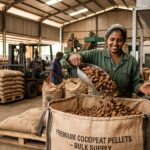
Indonesia, in particular, is renowned for its coconut shell charcoal briquettes, which are highly prized for their high heat output and lack of smoke or odor. This makes them ideal not just for BBQ, but also for shisha/hookah applications. Furthermore, Indonesia’s commitment to eco-friendly practices makes it an attractive sourcing destination. For businesses looking beyond charcoal into other agricultural products, understanding the region’s broader export capabilities is helpful. For instance, reading A Complete Guide to Choosing a Sustainable Growing Media Supplier in Indonesia provides insight into the country’s dedication to sustainable agricultural exports.
Key Attributes of Premium Charcoal Briquettes
Before placing a bulk wholesale order, you must evaluate the specifications of the charcoal briquettes. Here are the critical factors to consider:
- Ash Content: Lower ash content (typically under 5%) indicates a purer product and means less cleanup for the end-user.
- Fixed Carbon: High fixed carbon (above 75%) correlates with higher heat and longer burning times.
- Moisture Content: Low moisture (under 6%) ensures the briquettes light easily and do not pop or crackle dangerously during use.
- Volatile Matter: This should be kept low to prevent excessive smoke and unwanted odors affecting the flavor of the food.
- Burning Time: Premium briquettes should burn for at least 2 to 4 hours depending on the shape and application.
To help you compare different types of charcoal briquettes commonly sourced for wholesale, refer to the table below.
| Briquette Type | Fixed Carbon (%) | Ash Content (%) | Average Burn Time (Hours) |
|---|---|---|---|
| Coconut Shell Briquettes | 80 – 85% | 2 – 3% | 3 – 4 |
| Hardwood Sawdust Briquettes | 75 – 80% | 4 – 5% | 2.5 – 3 |
| Standard Wood Charcoal | 65 – 70% | 6 – 8% | 1.5 – 2 |
Logistics and Shipping for Bulk Charcoal
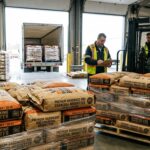
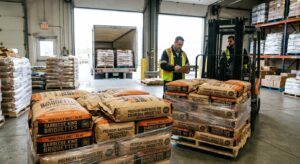
Purchasing charcoal briquettes in bulk means dealing with full container loads (FCL), typically 20ft or 40ft containers. Because charcoal is a low-density, high-volume product, maximizing container space is critical to keeping the landed cost per unit low.
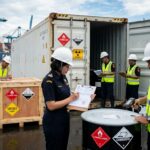
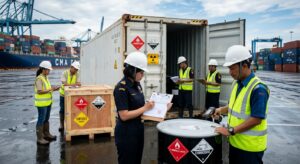
When importing from Indonesia, understanding transit times and shipping routes is essential for inventory planning. Surabaya is a major export hub for charcoal products. To plan your supply chain effectively, review this Comprehensive Guide to Sea Freight Transit Times from Surabaya. Furthermore, navigating customs can be complex, as charcoal is sometimes classified as dangerous goods depending on its specific properties. To ensure a smooth process upon export, you must be familiar with port procedures. We recommend Mastering the Customs Clearance Process at Tanjung Priok: A Comprehensive Guide to avoid costly delays.
Packaging and Private Labeling Options
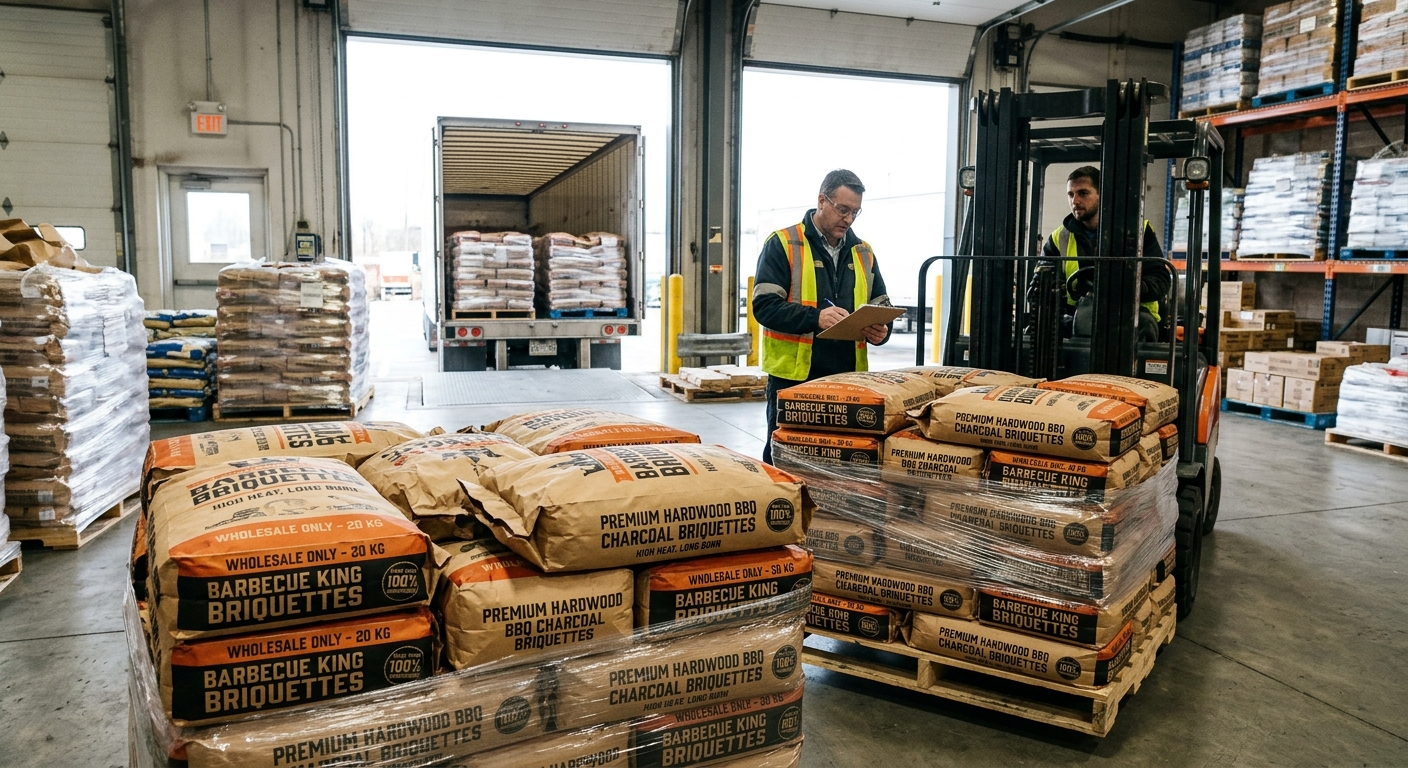
One of the major advantages of buying bulk charcoal briquettes for BBQ wholesale directly from manufacturers is the opportunity for private labeling. Factories can package the briquettes in custom-printed kraft paper bags, corrugated boxes, or plastic sacks tailored to your brand’s specifications. Common wholesale packaging sizes range from 2kg retail bags up to 10kg or 20kg bulk master cartons.
When negotiating with suppliers, discuss packaging costs upfront. Ensure that the packaging material is durable enough to withstand international shipping without tearing or allowing moisture to compromise the briquettes.
Conclusion
Sourcing bulk charcoal briquettes for BBQ wholesale is a highly profitable venture when executed correctly. By understanding the key quality metrics, choosing the right sourcing destination like Indonesia or Vietnam, and mastering the logistics and customs procedures, you can build a reliable supply chain. Always prioritize quality, as premium charcoal not only commands higher retail prices but also builds strong customer loyalty. With careful planning and the right supplier partnerships, your wholesale charcoal business can thrive in the expanding barbecue market.
Frequently Asked Questions (FAQ)
Why are coconut shell briquettes considered better for BBQ?
Coconut shell briquettes are prized because they have a high fixed carbon content, which translates to a hotter, longer burn. They also produce very little ash, no smoke, and no chemical odors, ensuring the natural flavor of the BBQ is preserved.
Is charcoal considered a dangerous good for international shipping?
Yes, charcoal can be classified as a dangerous good (spontaneously combustible) under maritime shipping regulations (IMDG Code). However, briquettes that have passed specific spontaneous heating tests can obtain exemptions, allowing them to be shipped as non-hazardous cargo. Always ask your supplier for the relevant MSDS and lab test reports.
What is the minimum order quantity (MOQ) for wholesale charcoal briquettes?
Typically, overseas manufacturers require a Minimum Order Quantity of one 20-foot container. Depending on the packaging and briquette size, a 20ft container can hold approximately 17 to 19 metric tons of charcoal briquettes.
How can I verify the quality of a supplier before ordering in bulk?
Before placing a bulk order, you should request physical samples to test burning time, heat output, and ash residue. Additionally, ask for recent laboratory test reports detailing moisture, ash, and carbon content, and consider hiring a third-party inspection agency to verify the factory’s production capabilities and quality control processes before shipment.