

Introduction to Wholesale Coconut Shell Charcoal from Indonesia
Indonesia is globally recognized as a premier producer of high-quality coconut products, and its coconut shell charcoal is no exception. For businesses seeking sustainable, long-lasting, and clean-burning fuel, wholesale coconut shell charcoal from Indonesia presents a lucrative opportunity. Known for its high carbon content and minimal ash production, this eco-friendly alternative to traditional wood charcoal has gained massive popularity in industries ranging from shisha and hookah lounges to barbecue grilling and industrial metallurgy.
Understanding the nuances of the Indonesian market is essential for successful procurement. From navigating the intricacies of export regulations to identifying reputable manufacturers, sourcing this commodity requires a strategic approach. If you are exploring the broader regional market, you might also find value in A Comprehensive Guide to Sourcing Commodities from Southeast Asia, which provides excellent context for regional trade dynamics.
Why Choose Indonesian Coconut Shell Charcoal?
The global demand for coconut shell charcoal is driven by its unique physical and chemical properties. Indonesian charcoal, in particular, stands out due to the specific varieties of coconuts grown in the archipelago, which yield exceptionally dense shells.
High Calorific Value and Long Burning Time
One of the primary reasons buyers prefer Indonesian coconut charcoal is its high calorific value. The dense nature of the shells translates into charcoal that burns hotter and longer than alternatives like hardwood or bamboo charcoal. This efficiency makes it highly desirable for commercial applications where consistent heat is required.
Low Ash Content and Clean Burning
Quality coconut shell charcoal produces very little ash—typically less than 3%. It burns without emitting toxic smoke, sparks, or foul odors. This clean-burning characteristic is particularly important for the shisha and hookah industry, where any off-flavors or excessive smoke can ruin the user experience. For a deeper dive into this specific market segment, check out the Indonesia Coconut Charcoal Shisha Factory: The Ultimate Guide.
Eco-Friendly and Sustainable
Unlike wood charcoal, which contributes to deforestation, coconut shell charcoal is produced from agricultural waste. Coconuts are harvested primarily for their meat and water; the shells are a byproduct. By converting these shells into charcoal, manufacturers are upcycling waste into a valuable energy source, promoting environmental sustainability.
Here is a quick comparison between Coconut Shell Charcoal and traditional Hardwood Charcoal based on typical commercial specifications:
| Charcoal Type | Burning Time | Ash Content | Calorific Value (kcal/kg) |
|---|---|---|---|
| Coconut Shell Charcoal | 2 – 2.5 hours | Under 3% | 7000 – 7500 |
| Hardwood Charcoal | 1 – 1.5 hours | 4% – 8% | 5500 – 6500 |
The Production Process in Indonesia
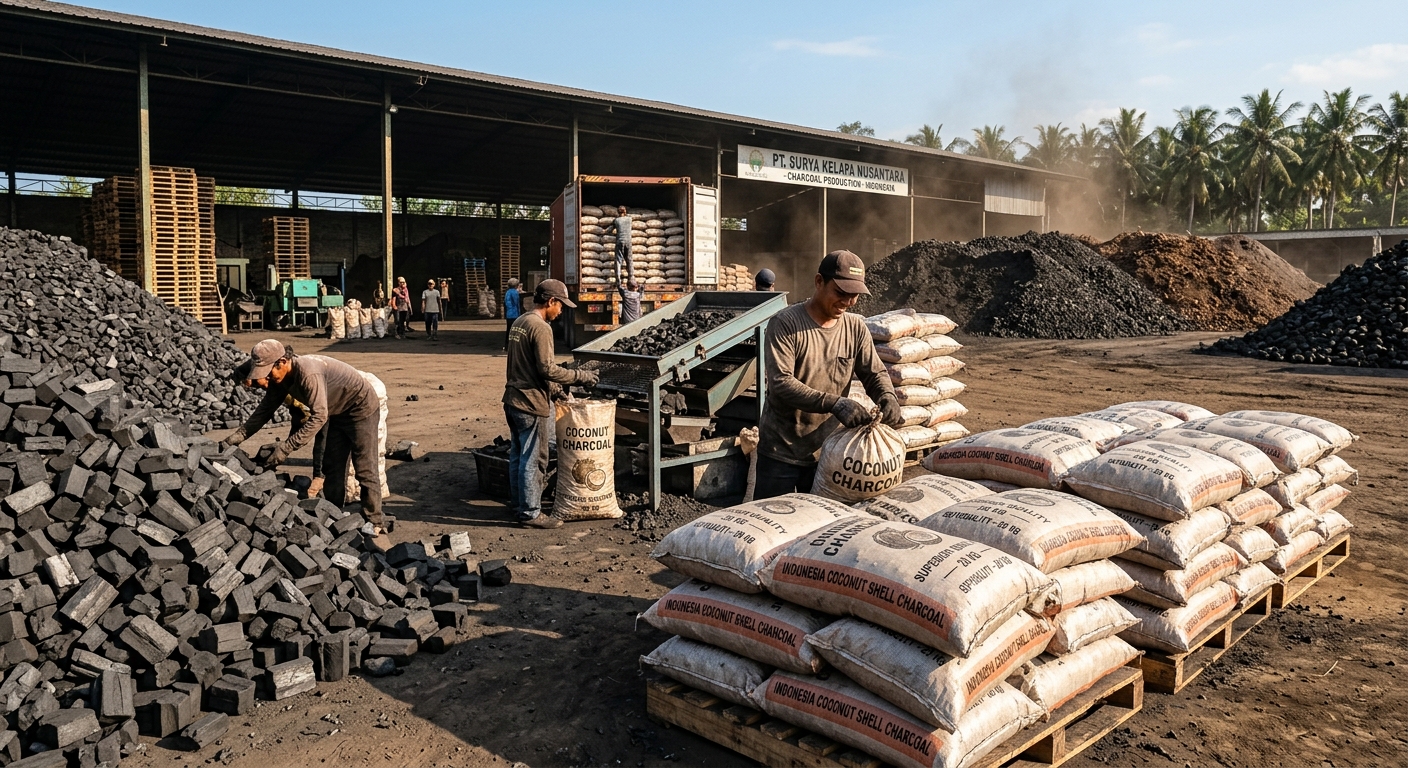
The manufacturing of high-grade coconut shell charcoal involves several meticulous steps. The process begins with the collection of mature coconut shells from local farmers across islands like Sulawesi, Sumatra, and Java. These regions are known for producing thick, mature shells ideal for carbonization.
Carbonization
The collected shells are cleaned and dried before undergoing carbonization. This involves burning the shells in a limited supply of oxygen (pyrolysis) using traditional pit kilns or modern drum kilns. The goal is to remove moisture and volatile matter while maximizing the fixed carbon content.
Crushing, Sieving, and Briquetting
Once carbonized, the charcoal is crushed and sieved to remove impurities. For applications like shisha or barbecue, the crushed charcoal is mixed with a natural binder, usually tapioca starch, and pressed into specific shapes—such as cubes, hexagons, or fingers. The briquettes are then baked in large ovens to remove any remaining moisture, ensuring they are hard and do not easily crack during transport or use.
Navigating Export and Shipping from Indonesia
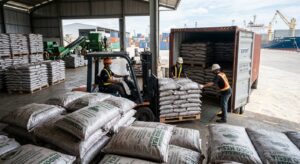
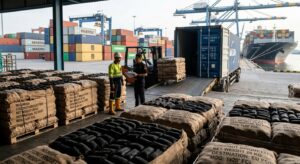
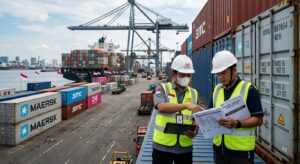
Sourcing wholesale coconut shell charcoal involves complex logistics and stringent export regulations. Charcoal is considered a potentially hazardous good (due to its self-heating properties) under the International Maritime Dangerous Goods (IMDG) Code, which means shipping it requires specific documentation and handling.
Export Documentation
To export charcoal from Indonesia, suppliers must provide a comprehensive set of documents, including a Bill of Lading, Commercial Invoice, Packing List, Certificate of Origin, and a Material Safety Data Sheet (MSDS). Furthermore, a Self-Heating Test certificate from a recognized laboratory is mandatory to prove the cargo is safe for sea transport. To understand these requirements in detail, review the Comprehensive Guide to Indonesia Export Document Requirements.
Logistics and Customs
Efficient shipping requires working with experienced freight forwarders and customs brokers who understand the local landscape. Delays at Indonesian ports, such as Tanjung Priok in Jakarta, can be costly. Ensuring smooth clearance is vital. For assistance with this, A Complete Guide to Hiring a Customs Broker for Jakarta International Shipping provides valuable insights into managing port logistics effectively.
Conclusion
Wholesale coconut shell charcoal from Indonesia is a premium product offering unmatched burning characteristics and eco-friendly benefits. By understanding the manufacturing process, verifying quality parameters, and mastering the export logistics, global buyers can successfully integrate this sustainable fuel source into their supply chains. Working with reputable suppliers and knowledgeable customs partners is the key to ensuring a smooth, profitable import experience.
Frequently Asked Questions
What makes Indonesian coconut shell charcoal better than others?
Indonesian coconut shell charcoal benefits from the region’s specific coconut varieties, which have thicker, denser shells. This results in charcoal with higher fixed carbon, lower ash content, and longer burning times compared to charcoal from many other regions.
Is coconut shell charcoal safe to ship internationally?
Yes, but it is strictly regulated. It must undergo a Self-Heating Test to ensure it does not spontaneously combust during transit. Proper packaging and adherence to the IMDG Code are mandatory for maritime shipping.
What is the typical minimum order quantity (MOQ) for wholesale purchases?
Most Indonesian manufacturers require a minimum order of one 20-foot container, which typically holds around 17 to 18 metric tons of briquettes, depending on the packaging and shape of the charcoal.
Can I request custom shapes for the charcoal briquettes?
Absolutely. Most reputable Indonesian factories offer OEM services, allowing you to specify the shape (e.g., 25mm cubes, hexagons, flat shapes) and provide custom packaging designs tailored to your brand.