

Introduction to Sourcing Wholesale Commodities from Indonesia
Indonesia, the largest economy in Southeast Asia, has long been a powerhouse in the global export market. With its vast archipelago comprising over 17,000 islands, the country is blessed with an abundance of natural resources, fertile volcanic soil, and a strategic location bridging the Indian and Pacific Oceans. For global buyers, sourcing wholesale commodities from Indonesia represents a strategic opportunity to access high-quality products at competitive prices. From agricultural staples like coffee and spices to energy resources and eco-friendly products, Indonesia offers a diverse portfolio of wholesale commodities that cater to a wide array of international industries.
However, entering the Indonesian supply market requires a deep understanding of the local business landscape, cultural nuances, regulatory frameworks, and complex logistics. Navigating this dynamic market demands thorough preparation and a strategic approach to building long-term, mutually beneficial relationships with local suppliers. This comprehensive article delves into the intricacies of sourcing wholesale commodities from Indonesia, exploring top export products, supplier verification processes, quality control measures, and international shipping strategies to help you optimize your global supply chain.
Top Wholesale Commodities to Source from Indonesia
When considering Indonesia as a sourcing destination, it is crucial to understand the country’s primary export strengths. The Indonesian government has heavily invested in improving the infrastructure and regulatory frameworks surrounding its key commodities to boost international trade. Below are some of the most prominent wholesale commodities available for global buyers.
Agricultural Products and Spices
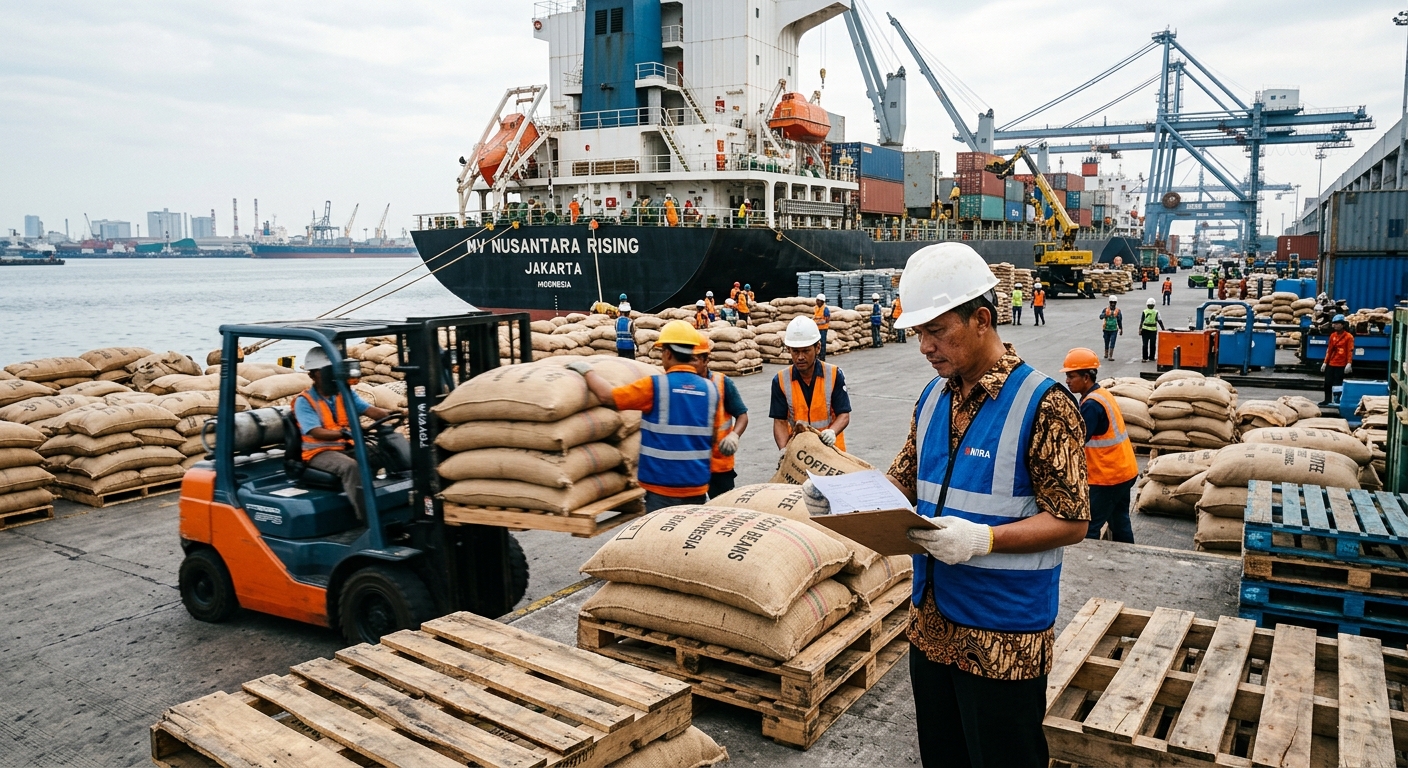
Historically known as the Spice Islands, Indonesia remains a leading global producer of essential agricultural commodities. Spices such as nutmeg, mace, cloves, and cinnamon are predominantly sourced from regions like Maluku, Sumatra, and Java. Additionally, Indonesia is one of the world’s top producers of coffee, offering highly sought-after varieties like Sumatra Mandheling, Java, and Toraja. Buyers sourcing these products must pay close attention to harvest seasons and engage with local farming cooperatives to ensure sustainable and ethical sourcing practices. Palm oil and rubber are also massive agricultural exports, heavily utilized in the food, cosmetic, and automotive industries worldwide.
Eco-Friendly and Energy Commodities: Coconut and Charcoal Products
In recent years, the global shift towards sustainable and eco-friendly products has placed a spotlight on Indonesia’s coconut industry. As the world’s largest producer of coconuts, Indonesia exports a vast array of derivative products, including desiccated coconut, coconut oil, coconut water, and coconut shell charcoal. Coconut shell charcoal, in particular, has seen a surge in demand due to its high carbon content, low ash residue, and long burning time, making it ideal for both shisha/hookah use and industrial heating.
For businesses looking to enter this lucrative market, understanding the specific grades, manufacturing processes, and supplier landscapes is paramount. To gain a deeper understanding of this specific sector, you can explore the Wholesale Coconut Shell Charcoal Indonesia: The Ultimate Sourcing Guide. Additionally, if your focus is specifically on pressed briquettes for retail or commercial use, the article Bulk Buy Natural Charcoal Briquettes: A Comprehensive Guide for Buyers provides invaluable insights into quality specifications, packaging, and bulk purchasing strategies.
Furniture and Wood Products
Indonesia is globally renowned for its high-quality wooden furniture, particularly items crafted from teak, mahogany, and rattan. Central Java, specifically the city of Jepara, is the epicenter of the country’s wood carving and furniture manufacturing industry. When sourcing timber and wood products, international buyers must ensure that the commodities comply with the SVLK (Sistem Verifikasi Legalitas Kayu), which is Indonesia’s national timber legality assurance system. This certification is mandatory for exporting wood products and ensures that the timber is legally harvested and environmentally sustainable.
Finding and Verifying Indonesian Suppliers
Identifying a reliable supplier is arguably the most critical step in the sourcing process. In Indonesia, the supplier landscape ranges from large, multinational conglomerates to small, family-owned farming cooperatives. Depending on your volume requirements and target price, you may choose to work directly with manufacturers, use a sourcing agent, or partner with an established trading company.
Due diligence is non-negotiable. Before committing to a large wholesale order, buyers should request company registration documents (such as the NIB or Nomor Induk Berusaha), tax identification numbers (NPWP), and relevant export licenses. It is also highly recommended to conduct factory audits, either personally or through third-party inspection agencies like SGS or Intertek. Engaging with a reliable Indonesian export partner can significantly mitigate risks, bridge communication gaps, and ensure that your sourcing operations run smoothly from production to final delivery.
Understanding the Export Regulations and Incoterms
Sourcing from Indonesia requires a solid grasp of international trade terminology and local export regulations. Most wholesale commodity transactions in Indonesia are conducted using standard Incoterms such as FOB (Free On Board), CIF (Cost, Insurance, and Freight), or EXW (Ex Works). FOB is highly popular among international buyers sourcing from Indonesia, as it allows the buyer to control the ocean freight costs while the supplier handles the local transportation and export customs clearance at ports like Tanjung Priok in Jakarta or Tanjung Perak in Surabaya.
Additionally, buyers must be aware of specific export taxes or bans that the Indonesian government occasionally implements to protect domestic supply. For instance, temporary export bans on palm oil or raw mineral ores have occurred in the past. Staying informed through local trade ministries or working with experienced local agents is essential to prevent costly supply chain disruptions.
Below is a comparison of top sourced Indonesian commodities, outlining their primary source regions, typical minimum order quantities (MOQs), and main export markets to help you strategize your sourcing efforts.
| Commodity Type | Primary Source Region | Average Minimum Order Quantity (MOQ) | Main Export Markets |
|---|---|---|---|
| Coconut Shell Charcoal | Sulawesi / Java | 1x20ft Container (approx. 18 Metric Tons) | Middle East, Europe, North America |
| Robusta Coffee Beans | Sumatra / Lampung | 1 Metric Ton | USA, Europe, Japan |
| Teak Wood Furniture | Central Java (Jepara) | 1x40ft High Cube Container | Europe, North America, Australia |
| Raw Spices (Cloves/Nutmeg) | Maluku Islands | 500 Kilograms | India, Middle East, Europe |
Shipping and Logistics: Moving Goods Across the Globe
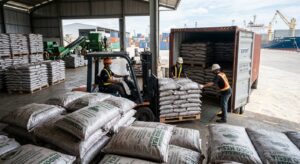
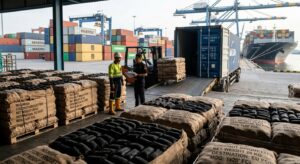
Once your goods are manufactured and quality-checked, the next major hurdle is logistics. Because Indonesia is an archipelago, internal logistics can sometimes be as complex as international shipping. Commodities sourced from outer islands like Sulawesi or Maluku must first be shipped via domestic feeder vessels to major international seaports in Java or Sumatra before they can be loaded onto mainline vessels destined for global markets.
Ocean freight is the standard method for transporting wholesale commodities. Buyers must factor in the costs of container shipping (20ft, 40ft, or LCL), port handling charges, and potential delays due to monsoon seasons, which can affect both production and domestic shipping. If you are importing goods into European markets, calculating precise freight costs is crucial for your profit margins. To better estimate these logistics expenses and plan your budget effectively, be sure to read the Comprehensive Guide to Indonesia Shipping Container Costs to Europe.
Quality Control and Payment Terms
Maintaining consistent quality when sourcing wholesale commodities from Indonesia requires proactive management. Implementing a strict Quality Control (QC) process is vital. Buyers should stipulate exact product specifications, acceptable tolerance levels, and packaging requirements in a formal Purchase Order (PO) or Sales Contract. Pre-shipment inspections by independent third parties are highly recommended to verify that the goods meet the agreed-upon standards before the final payment is released.
When it comes to payment terms, Indonesian suppliers generally prefer Telegraphic Transfers (T/T) or Letters of Credit (L/C). A common T/T structure is a 30% to 50% down payment upon order confirmation, with the remaining balance paid against the copy of the Bill of Lading (B/L). For extremely large orders, an Irrevocable L/C at sight provides security for both the buyer and the seller, ensuring that payment is only made once all shipping documents are properly presented and verified by the bank.
Cultural Nuances and Building Relationships
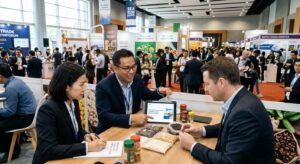
In Indonesia, business is deeply rooted in personal relationships and mutual trust. The concept of “Gotong Royong” (mutual cooperation) heavily influences business dealings. Taking the time to build a rapport with your suppliers, rather than treating transactions as purely transactional, will yield significant long-term benefits. Face-to-face meetings, whether in person or via video calls, are highly valued. Patience is also a virtue, as negotiations and decision-making processes may take longer than in Western business cultures. Demonstrating respect for local customs, religious holidays (such as Eid al-Fitr, which can temporarily halt production and logistics), and maintaining open, polite communication will establish you as a preferred buyer in the Indonesian market.
Conclusion
Sourcing wholesale commodities from Indonesia presents a wealth of opportunities for global businesses seeking high-quality agricultural, energy, and manufactured goods. By understanding the key export commodities, rigorously verifying suppliers, mastering international logistics, and respecting the local business culture, buyers can build a highly profitable and resilient supply chain. While challenges such as internal logistics and regulatory compliance exist, the competitive advantages of sourcing from this resource-rich archipelago far outweigh the hurdles. With careful planning, strategic partnerships, and a commitment to quality control, your business can successfully harness the vast export potential of Indonesia.
Frequently Asked Questions (FAQ)
What are the most popular wholesale commodities sourced from Indonesia?
The most popular commodities include agricultural products like coffee, palm oil, and spices (cloves, nutmeg), eco-friendly energy products like coconut shell charcoal and briquettes, as well as manufactured goods such as textiles, rubber, and wooden furniture.
How can I verify a wholesale supplier in Indonesia?
You can verify a supplier by requesting their official business registration (NIB), tax identification number (NPWP), and relevant export licenses. Additionally, conducting factory audits either personally or through a recognized third-party inspection agency like SGS ensures the supplier is legitimate and capable of meeting your volume and quality requirements.
What is the standard payment method for buying wholesale from Indonesia?
The most common payment methods are Telegraphic Transfer (T/T) and Letter of Credit (L/C). A standard T/T arrangement usually requires a 30% to 50% deposit upfront, with the balance paid against a copy of the Bill of Lading. For larger transactions, an Irrevocable L/C at sight is preferred to protect both parties.
Do I need to worry about language barriers when negotiating?
While Bahasa Indonesia is the official language, many established export companies and trading agents have staff who are proficient in English. However, if you are dealing directly with smaller factories or rural farming cooperatives, hiring a local sourcing agent or translator can prevent miscommunications regarding product specifications and contractual terms.