

In recent years, global brands have increasingly turned their attention to Southeast Asia to diversify their supply chains and optimize production costs. Among the leading destinations, private label manufacturing in Indonesia stands out as a highly attractive option. With an abundant workforce, rich natural resources, and strategic geographic positioning, Indonesia offers a compelling alternative to traditional manufacturing powerhouses like China. This comprehensive guide explores the dynamics of private labeling in Indonesia, the key industries driving growth, and the crucial logistical considerations you must address to succeed.
Why Choose Indonesia for Private Label Manufacturing?
Indonesia boasts the largest economy in Southeast Asia, supported by a young, growing population and a government keen on attracting foreign investment. For businesses looking to create their own branded products without investing in proprietary manufacturing facilities, Indonesia presents several distinct advantages.
1. Competitive Labor Costs
One of the primary drivers for outsourcing manufacturing to Indonesia is the cost-effectiveness of its labor force. While minimum wages vary across provinces (with regions like Central Java offering highly competitive rates), the overall cost of labor remains lower than in many neighboring countries. This allows brands to maintain healthy profit margins while offering high-quality products to their customers.
2. Abundant Raw Materials
Indonesia is incredibly rich in natural resources. From sustainable timber and rattan used in furniture production to high-quality agricultural products like coffee, spices, and essential oils, manufacturers have direct access to premium raw materials. This proximity to raw materials reduces inbound logistics costs and lead times, giving private label brands a distinct competitive edge.
3. Improving Infrastructure
The Indonesian government has prioritized infrastructure development, building new toll roads, deep-sea ports, and industrial parks. These improvements have significantly streamlined the movement of goods across the archipelago and outward to global markets, making export processes much smoother than in previous decades.
Top Industries for Private Labeling in Indonesia
While Indonesia has a diverse manufacturing base, certain sectors have proven particularly lucrative for private label brands.
Apparel and Textiles
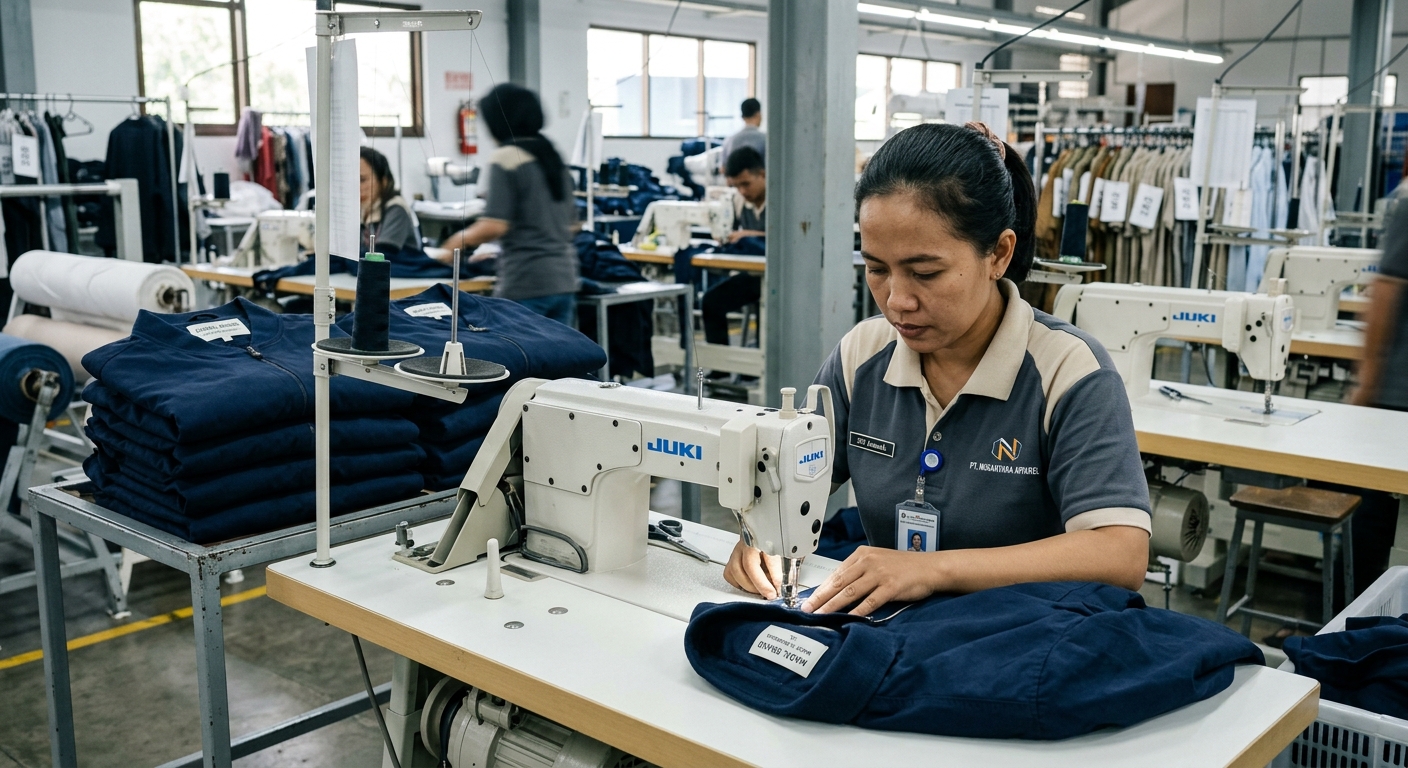
Indonesia has a long-standing tradition of textile manufacturing, including both traditional batik and modern garments. The country is a major supplier for global fast-fashion and premium clothing brands. Factories are increasingly adopting sustainable practices, utilizing eco-friendly dyes and organic cotton, which is highly appealing to modern consumers.
Furniture and Home Decor
Renowned for its exquisite craftsmanship, Indonesia is a global hub for wooden and rattan furniture. Cities like Jepara in Central Java are famous for artisanal woodworking. Brands looking to private label high-end, hand-crafted furniture or bohemian home decor will find a wealth of experienced manufacturers here.
Cosmetics and Skincare
With a rich heritage of traditional herbal medicine (Jamu), Indonesia is an emerging player in the natural and organic cosmetics sector. Private label brands can leverage local botanical ingredients like coconut oil, candlenut, and turmeric to create unique, highly marketable skincare lines.
To better understand how two of Indonesia’s most prominent manufacturing sectors compare, we have outlined their standard production metrics below. This comparison highlights average lead times, minimum order quantities (MOQs), and primary export hubs for Apparel and Furniture.
| Manufacturing Sector | Average Lead Time (Days) | Typical Minimum Order Quantity (MOQ) | Primary Export Hub |
|---|---|---|---|
| Apparel & Textiles | 45 – 60 | 500 – 1,000 pieces per style | Tanjung Priok (Jakarta) |
| Furniture & Home Decor | 60 – 90 | 1x 20ft Full Container Load (FCL) | Tanjung Emas (Semarang) |
Navigating Logistics and Shipping
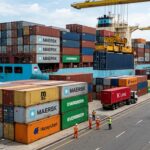
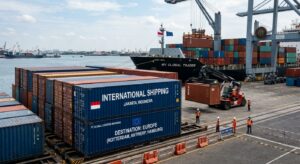
Once your private label products are manufactured, moving them from an Indonesian factory floor to your warehouse requires meticulous logistical planning. The Indonesian archipelago presents unique geographical challenges, making it essential to partner with experienced logistics professionals.
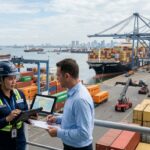
A reliable freight forwarder will handle inland transportation, port handling, and customs clearance. To ensure you make the right choice for your supply chain, it is highly recommended to review this Comprehensive Guide to Choosing an Indonesia Freight Forwarder for Export. Proper logistical support minimizes delays and prevents unexpected storage fees at the port.
Understanding Customs, Duties, and Trade Terms
International trade involves a complex web of regulations, taxes, and contractual terms. When exporting goods out of Indonesia, you must factor in import duties levied by your destination country, as these directly impact your landed cost and retail pricing strategy.
For brands importing into the US or Canada, understanding the specific tariff classifications for your products is critical. Before finalizing your financial projections, take the time to study A Complete Guide to Import Duties from Indonesia to North America. This will help you identify any preferential trade agreements or specific tariffs applicable to Indonesian goods.
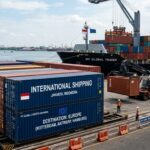
Furthermore, your manufacturing contracts must clearly define who is responsible for the goods at each stage of transit. Misunderstandings regarding shipping liabilities can lead to severe financial losses. To safeguard your investment, ensure your contracts use standard international commercial terms. You can find excellent insights by reading Incoterms for Indonesian Commodity Export: A Comprehensive Guide.
Finding the Right Manufacturing Partner
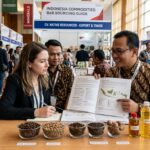
Sourcing a trustworthy factory is often the most daunting part of private labeling. While online directories can provide a starting point, they rarely offer the full picture of a factory’s quality control standards, ethical labor practices, or financial stability.
Conducting on-site audits, requesting product samples, and verifying business licenses are mandatory steps. Because of the language barrier and local business nuances, many global brands choose to collaborate with a dedicated Indonesian sourcing expert to negotiate contracts, oversee production, and perform pre-shipment quality control inspections.
Conclusion
Private label manufacturing in Indonesia offers a tremendous opportunity for global brands looking to scale their product lines with high-quality, cost-effective goods. From sustainable furniture to organic cosmetics, the country’s diverse manufacturing capabilities are supported by a wealth of raw materials and an improving logistical infrastructure. By thoroughly understanding export regulations, mastering trade terms, and partnering with experienced local experts, you can successfully navigate the complexities of international manufacturing and build a highly profitable private label brand.
Frequently Asked Questions (FAQ)
What is the typical Minimum Order Quantity (MOQ) for private label manufacturing in Indonesia?
MOQs vary significantly depending on the industry and the specific manufacturer. For apparel, MOQs usually range from 500 to 1,000 pieces per style. For furniture, manufacturers typically require a minimum of a 20ft container (FCL) to optimize shipping and production efficiency.
Do Indonesian manufacturers adhere to international quality standards?
Many export-oriented manufacturers in Indonesia are certified with international standards such as ISO 9001, FSC (for timber), and various ethical labor certifications. However, it is crucial to verify these certifications and conduct third-party quality control inspections before shipment.
How can I protect my intellectual property (IP) when manufacturing in Indonesia?
To protect your IP, you should register your trademarks and design patents in Indonesia through the Directorate General of Intellectual Property (DGIP). Additionally, always have your manufacturing partner sign a Non-Disclosure, Non-Use, and Non-Circumvention (NNN) agreement drafted by an Indonesian legal professional.
What is the most cost-effective way to ship goods from Indonesia?
For bulk goods, sea freight is the most cost-effective method. Full Container Loads (FCL) offer the best rates per unit compared to Less than Container Loads (LCL). Working closely with an experienced freight forwarder will help you optimize container space and select the best shipping routes.