


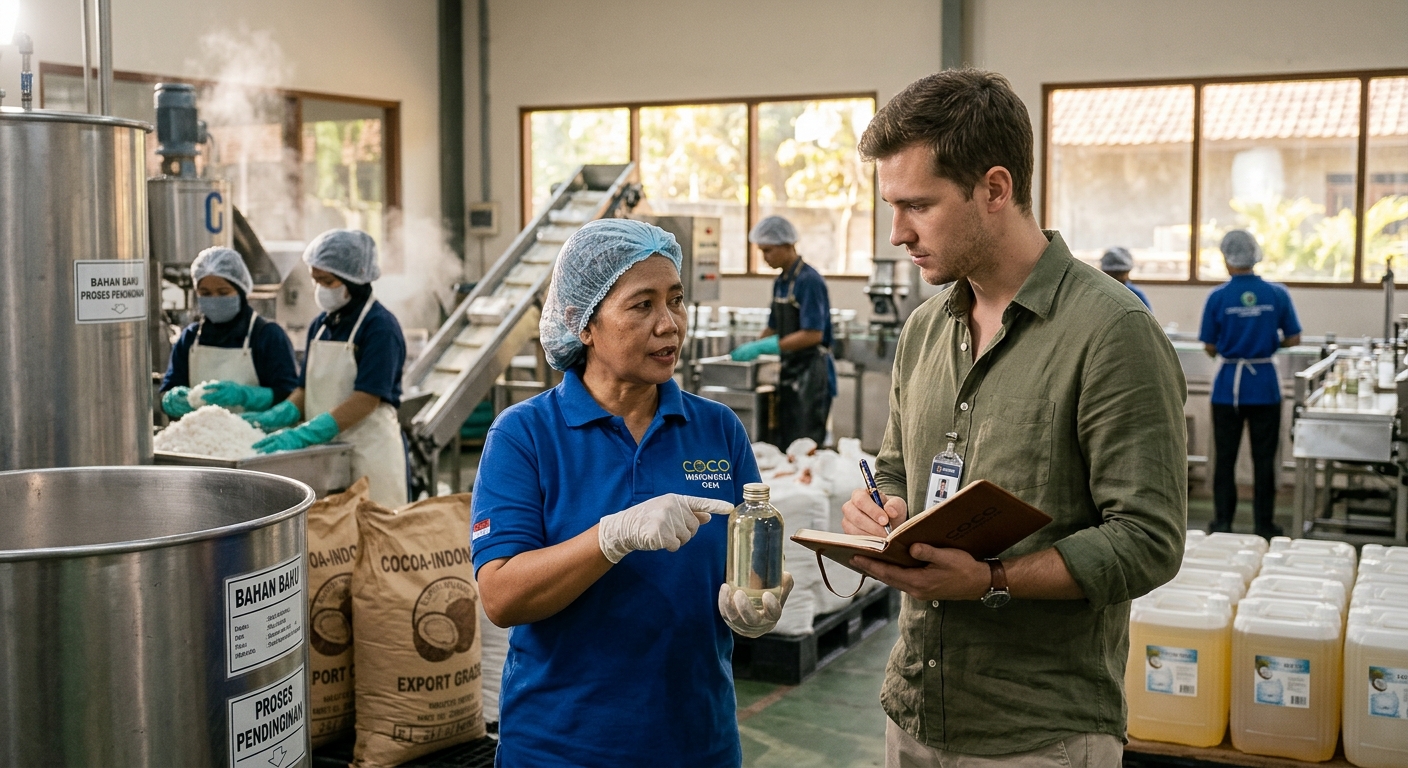
Introduction to OEM Coconut Products in Indonesia
Indonesia is globally recognized as one of the largest producers of coconuts. With its vast archipelagic geography and tropical climate, the country offers the perfect agricultural conditions for coconut cultivation. For businesses worldwide looking to expand their product lines without the overhead of manufacturing, partnering with an OEM (Original Equipment Manufacturer) coconut products Indonesia supplier is a highly strategic move. OEM partnerships allow international brands to source high-quality, market-ready coconut derivatives customized to their specifications, packaging, and branding requirements.
From health foods and cosmetics to industrial materials and alternative fuels, the versatility of the coconut is unmatched. When you source from Indonesia, you are tapping into a robust supply chain characterized by sustainable farming practices, competitive pricing, and a diverse range of derivatives. Navigating this vast market, however, requires a deep understanding of regional trade dynamics. For a broader perspective on regional trade, you can review this Comprehensive Guide to Southeast Asia B2B Sourcing for Commodities, which outlines the strategic advantages of the region.
Why Choose Indonesia as Your OEM Supplier?
The primary advantage of selecting Indonesia as your manufacturing hub lies in its immense agricultural capacity. Indonesian suppliers have access to millions of hectares of coconut plantations, ensuring a steady, year-round supply of raw materials. This consistency is vital for OEM partnerships, where supply chain reliability directly impacts your brand’s market presence.
Moreover, Indonesian manufacturers have heavily invested in advanced processing technologies. This allows them to produce a wide array of high-grade products ranging from Virgin Coconut Oil (VCO) to specialized industrial goods. By leveraging an OEM coconut products Indonesia supplier, businesses can reduce capital expenditure on factories, equipment, and labor, while still maintaining strict control over product formulation and quality standards.
Top OEM Coconut Products Sourced from Indonesia
Virgin Coconut Oil (VCO) and RBD Coconut Oil
Coconut oil remains one of the most sought-after exports. Virgin Coconut Oil is cold-pressed and unrefined, retaining its natural aroma and nutritional benefits, making it ideal for the health food and premium cosmetics sectors. Conversely, Refined, Bleached, and Deodorized (RBD) coconut oil is primarily used in commercial food production and industrial applications due to its high smoke point and neutral flavor.
Desiccated Coconut
Desiccated coconut is a staple ingredient in the global bakery, confectionery, and culinary industries. OEM suppliers in Indonesia offer various grades, including fine and macaron cuts, with adjustable fat contents to meet specific client formulations. High-quality packaging and moisture control are strictly maintained to ensure long shelf life and freshness.
Coconut Charcoal and Briquettes
Another massive export from Indonesia is coconut shell charcoal, which is widely processed into briquettes. These briquettes are celebrated for their long burning time, high heat generation, and minimal ash production, making them perfect for shisha and barbecue applications. If your brand is looking to enter this lucrative market, it is essential to understand product specifications by consulting The Ultimate Guide to BBQ Charcoal Briquettes Export Quality to ensure your OEM supplier meets international standards.
Coconut Water and Coconut Sugar
The global demand for natural, healthy beverages and alternative sweeteners has skyrocketed. Indonesian OEM suppliers utilize advanced UHT (Ultra-High Temperature) processing to package coconut water that retains its nutritional profile without the need for artificial preservatives. Additionally, organic coconut sugar, characterized by its low glycemic index, is a highly profitable white-label product for health-conscious brands.
Below is a comparison of some of the most popular OEM coconut products available from Indonesian suppliers, highlighting their primary applications, typical shelf life, and target markets to help you strategize your product line expansion.
| Product Type | Primary Applications | Typical Shelf Life | Primary Target Market |
|---|---|---|---|
| Virgin Coconut Oil (VCO) | Cosmetics, Dietary Supplements | 24 Months | Health & Wellness Brands |
| Desiccated Coconut | Bakery, Confectionery | 12 Months | Food Manufacturing |
| Coconut Charcoal Briquettes | Shisha, Barbecue Fuel | Unlimited (Keep Dry) | Recreation & Hospitality |
| Coconut Water (UHT) | Hydration Beverages | 12 Months | Retail Beverage Sector |
Navigating Logistics, Customs, and Export Regulations
Sourcing internationally involves more than just finding a reliable manufacturer; it requires a comprehensive understanding of logistics, export regulations, and import duties. When dealing with an OEM coconut products Indonesia supplier, you must ensure that all shipments comply with both Indonesian export laws and the import regulations of your destination country. Proper documentation, including Phytosanitary certificates, Certificates of Origin, and Bill of Lading, is critical to avoid delays at the port.
Understanding customs tariffs is a critical component of calculating your landed costs and ensuring competitive retail pricing. For businesses importing into varying global markets, it is highly recommended to consult resources like The Ultimate Guide to Indonesia Customs Tariff Lookup: Navigating Import Duties and HS Codes to accurately forecast financial obligations. Different coconut derivatives fall under different Harmonized System (HS) codes, which directly impact the duty rates applied.
Furthermore, certain markets have stringent environmental and trade regulations specific to commodities like charcoal. For example, if you are planning to import coconut shell charcoal into Europe, you must navigate specific regulatory frameworks. Gaining insights from resources such as Navigating Import Duty in the European Union for Indonesian Charcoal will help you maintain compliance and avoid costly legal or logistical hurdles.
Ensuring Quality and Selecting the Right Supplier
Finding the right OEM coconut products Indonesia supplier requires due diligence. Not all suppliers operate with the same level of quality control or ethical standards. When evaluating potential partners, prioritize those with internationally recognized certifications such as ISO 9001 (Quality Management), HACCP (Food Safety), Halal, Kosher, and Organic certifications (USDA, EU). These certifications serve as a testament to the supplier’s commitment to maintaining global standards.
Key Steps in Supplier Selection:
- Request Product Samples: Always evaluate the physical quality, taste, aroma, or performance of the product before committing to a bulk order.
- Audit the Facilities: If possible, conduct a factory audit or hire a third-party inspection agency to verify the supplier’s manufacturing capabilities and working conditions.
- Discuss Customization Options: A true OEM partner should offer flexibility in packaging, labeling, and product formulation to align perfectly with your brand identity.
- Verify Export Experience: Choose a supplier with a proven track record of exporting to your target region, as they will be more familiar with the specific documentation and quality requirements.
Conclusion
Partnering with an OEM coconut products Indonesia supplier offers unparalleled advantages for businesses looking to scale their product offerings with high-quality, sustainable, and competitively priced commodities. From versatile virgin coconut oil and desiccated coconut to high-performance charcoal briquettes, Indonesia’s agricultural wealth provides a solid foundation for B2B sourcing. By conducting thorough due diligence, understanding international trade regulations, and selecting certified manufacturing partners, global brands can build highly profitable and resilient supply chains. The key to success lies in strategic alignment, rigorous quality control, and a deep understanding of the global logistics landscape.
Frequently Asked Questions (FAQs)
What does OEM mean in the context of coconut products?
OEM stands for Original Equipment Manufacturer. In this context, it refers to an Indonesian facility that manufactures coconut products based on the specific formulations, packaging, and branding guidelines provided by your company, allowing you to sell the products under your own brand name.
How do I ensure the quality of coconut products sourced from Indonesia?
To ensure quality, always request product samples, verify international certifications (such as HACCP, ISO, and Organic labels), and consider hiring independent third-party inspectors to conduct pre-shipment inspections at the supplier’s facility.
Are Indonesian coconut suppliers capable of providing private label packaging?
Yes, the vast majority of OEM coconut products Indonesia suppliers offer extensive private label services. They can package the finished goods in custom-designed retail packaging, bulk containers, or specialized industrial formats according to your brand’s requirements.
What are the typical minimum order quantities (MOQ) for OEM coconut products?
MOQs vary significantly depending on the specific product and the supplier. Generally, for products like coconut oil or water, MOQs might start at one 20-foot container, whereas specialized items or trial orders might be negotiated at smaller pallet quantities.