

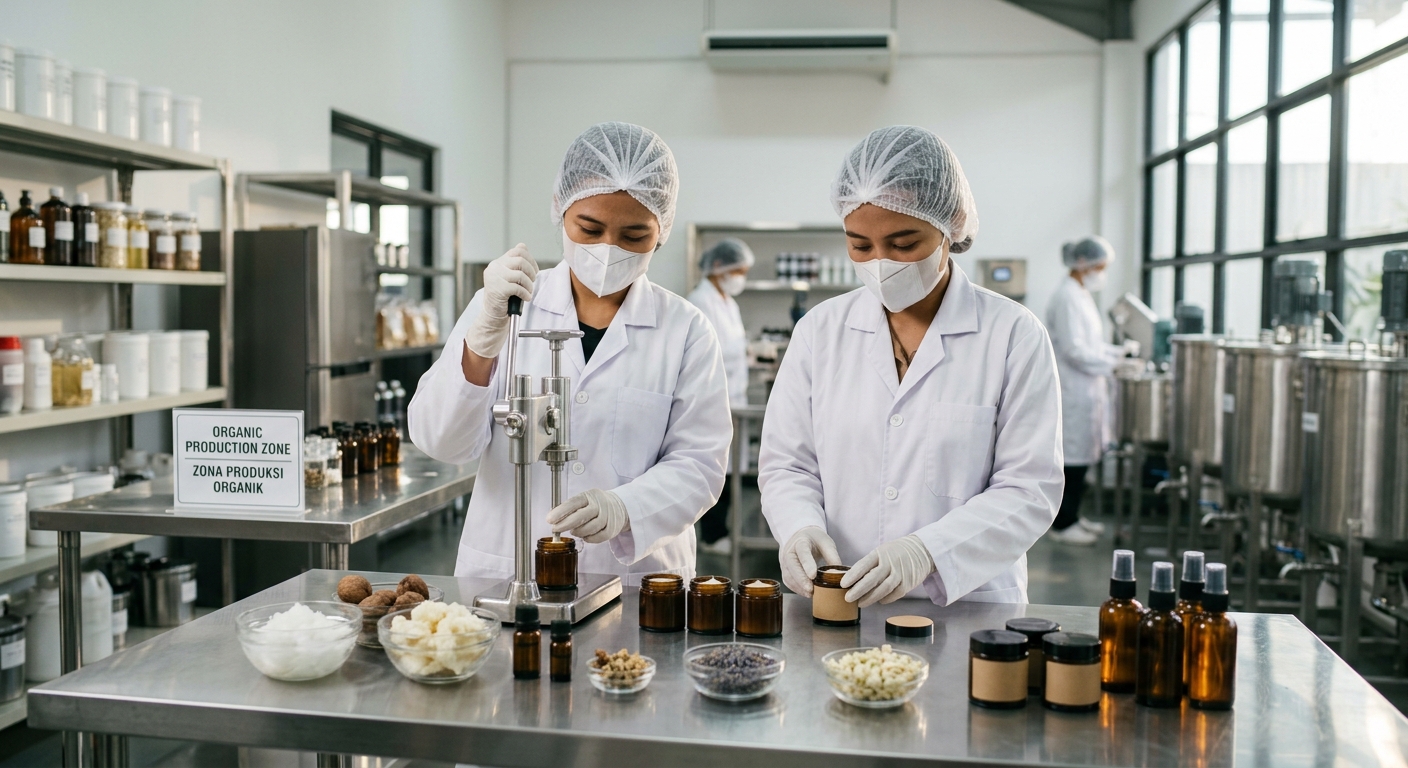
Introduction to Private Label Organic Cosmetics in Indonesia
The global demand for clean, natural, and sustainable beauty products has reached unprecedented heights. As consumers become more conscious of the ingredients they apply to their skin, beauty brands are shifting their focus toward organic and natural formulations. In this context, finding a reliable private label organic cosmetics manufacturer Indonesia has become a strategic priority for many emerging and established beauty brands.
Indonesia, renowned for its rich biodiversity and heritage of traditional herbal medicine (Jamu), offers a treasure trove of natural ingredients. From virgin coconut oil and essential oils to rare botanical extracts, the archipelago provides an ideal foundation for creating premium organic cosmetics. Partnering with Indonesian manufacturers allows brands to leverage these high-quality resources while benefiting from competitive production costs and advanced manufacturing capabilities.
The Appeal of Indonesian Natural Ingredients
One of the primary reasons international beauty brands flock to Indonesia is the availability of pristine, organic ingredients. The fertile volcanic soil and tropical climate produce botanicals with exceptional potency. Ingredients such as patchouli, sandalwood, aloe vera, and various seaweed extracts are staple components in high-end cosmetic formulations.
Furthermore, Indonesia is a major producer of coconut-based products, which are widely used in cosmetics for their moisturizing and antibacterial properties. While exploring coconut-derived goods, businesses often discover other lucrative Indonesian exports. For instance, many international buyers are interested in Coconut Charcoal Briquettes Wholesale Indonesia: The Premium Choice for Shisha and BBQ, showcasing the versatility of the country’s agricultural output.
Key Ingredients Sourced in Indonesia
- Virgin Coconut Oil (VCO): A staple for moisturizing and hair care products.
- Essential Oils: Including clove, nutmeg, and patchouli, used for fragrance and therapeutic benefits.
- Botanical Extracts: Turmeric, ginger, and green tea for anti-aging and skin-brightening formulations.
- Seaweed and Agar: Used as natural thickeners and for skin hydration.
Advantages of Private Label Manufacturing
Choosing a private label organic cosmetics manufacturer Indonesia provides several distinct advantages for beauty brands. Private labeling allows companies to create their own unique product lines without the need to invest heavily in research, development, and manufacturing infrastructure.
Manufacturers in Indonesia often hold international certifications such as GMP (Good Manufacturing Practice), ISO, and organic certifications (e.g., ECOCERT or USDA Organic). This ensures that the products meet stringent global quality and safety standards. By collaborating with these experts, brands can bring products to market faster and with greater confidence.
Cost-Effectiveness and Scalability
Production costs in Indonesia remain highly competitive compared to Western countries, without compromising on quality. This cost advantage allows brands to achieve better profit margins or offer premium organic products at more accessible price points. Additionally, many Indonesian manufacturers offer flexible Minimum Order Quantities (MOQs), enabling new brands to start small and scale operations as demand grows. For those looking to source a variety of sustainable goods from the region, partnering with a reliable Indonesian export company can streamline the procurement process.
Navigating Export and Compliance Regulations
When working with a private label organic cosmetics manufacturer Indonesia, understanding the regulatory landscape is crucial. Cosmetics must comply with the regulations set by the Indonesian Food and Drug Authority (BPOM) before they can be legally manufactured and exported. Manufacturers typically assist clients in navigating these registration processes, ensuring that formulations meet both local and international safety standards.
Exporting goods from Indonesia involves adhering to specific customs and trade regulations. While the rules for cosmetics are distinct, businesses dealing in multiple sectors must stay informed about various export guidelines. For example, those diversifying their product lines might find it useful to read the Indonesia Charcoal Briquette Export Regulations: A Complete Guide to understand the broader export environment. Similarly, understanding agricultural exports can be beneficial, as detailed in How to Import Cocopeat from Indonesia: A Step-by-Step Guide.
Steps to Partner with an Indonesian Cosmetics Manufacturer
Establishing a successful partnership with a manufacturer requires careful planning and due diligence. Here is a step-by-step approach to finding and collaborating with the right private label partner in Indonesia:
1. Define Your Brand and Product Line
Before approaching manufacturers, have a clear vision of your brand identity, target audience, and the specific organic cosmetics you wish to develop. Whether you are focusing on anti-aging serums, organic body lotions, or natural hair care, clarity will help the manufacturer understand your needs.
2. Research and Vetting
Look for manufacturers with a proven track record in producing organic cosmetics. Verify their certifications, request product samples, and check client testimonials. It is essential to ensure that their definition of “organic” aligns with the certification standards required in your target market.
3. Formulation and Sampling
Work closely with the manufacturer’s R&D team to develop or customize formulations. This stage involves selecting active ingredients, determining textures, and choosing natural fragrances. Request multiple samples until the product meets your exact specifications.
4. Packaging and Design
Organic cosmetics often require eco-friendly packaging to align with the brand’s sustainable ethos. Many Indonesian manufacturers offer turnkey solutions that include sourcing sustainable packaging materials, designing labels, and ensuring that the final product looks premium and environmentally responsible.
5. Production and Quality Control
Once the formulation and packaging are finalized, the manufacturer will begin mass production. Ensure that they implement strict quality control measures at every stage of the manufacturing process to maintain consistency and safety.
Evaluating Manufacturer Capabilities
To ensure a successful venture, it is important to evaluate prospective partners based on specific criteria. The following table outlines key factors to consider when selecting a private label organic cosmetics manufacturer in Indonesia:
| Criteria | Description | Importance |
|---|---|---|
| Certifications | GMP, ISO, Halal, Organic (ECOCERT/USDA) | High – Ensures quality and market compliance. |
| R&D Capabilities | Ability to create custom, stable organic formulations. | High – Differentiates your product in the market. |
| Minimum Order Quantity (MOQ) | The smallest number of units they will produce per order. | Medium – Crucial for budget management and scaling. |
| Sourcing Transparency | Traceability of raw natural ingredients. | High – vital for brand authenticity and organic claims. |
| Lead Times | Time required from order placement to shipment. | Medium – Impacts inventory management. |
Conclusion
Partnering with a private label organic cosmetics manufacturer Indonesia offers a unique blend of high-quality natural ingredients, competitive manufacturing costs, and advanced production capabilities. By tapping into Indonesia’s rich botanical heritage and skilled manufacturing sector, beauty brands can create exceptional organic products that resonate with eco-conscious consumers worldwide. Through careful vetting, clear communication, and a focus on quality and compliance, businesses can build a sustainable and highly profitable cosmetics line.
Frequently Asked Questions (FAQ)
What certifications should I look for in an Indonesian organic cosmetics manufacturer?
You should look for Good Manufacturing Practice (GMP) certification, ISO standards, Halal certification (if targeting specific markets), and recognized organic certifications such as ECOCERT or USDA Organic.
Can Indonesian manufacturers assist with custom formulations?
Yes, most reputable private label manufacturers in Indonesia have dedicated Research and Development (R&D) teams that can help you customize existing formulas or create completely new ones tailored to your brand’s requirements.
Are the ingredients used by Indonesian manufacturers sustainably sourced?
Many Indonesian manufacturers prioritize sustainable and ethical sourcing, especially those specializing in organic products. It is important to discuss ingredient traceability and sustainable practices directly with your chosen manufacturing partner to ensure they align with your brand values.
What is the typical Minimum Order Quantity (MOQ) for private label cosmetics in Indonesia?
MOQs vary significantly between manufacturers. Some may offer low MOQs starting at 500 to 1,000 units per product to support small businesses, while larger factories might require MOQs of 5,000 units or more.