

Introduction to Sumatra’s Agricultural Wealth
Sumatra, one of the largest islands in Indonesia, is globally recognized for its fertile volcanic soil and favorable tropical climate. These unique geographic features make it a powerhouse for agricultural production. For international buyers, sourcing agricultural commodities from Sumatra suppliers presents a lucrative opportunity to access premium products at competitive prices. From world-renowned coffee beans to exotic spices and sustainable growing mediums, the island’s agricultural output is vast and diverse.
In this comprehensive guide, we will explore the landscape of Sumatra’s agricultural sector, highlight key commodities, and provide actionable advice on how to build successful partnerships with local suppliers. Whether you are looking to import raw materials for manufacturing or finished products for retail, understanding the nuances of the Sumatran market is critical for long-term success.
Key Agricultural Commodities in Sumatra
1. Coffee (Arabica and Robusta)
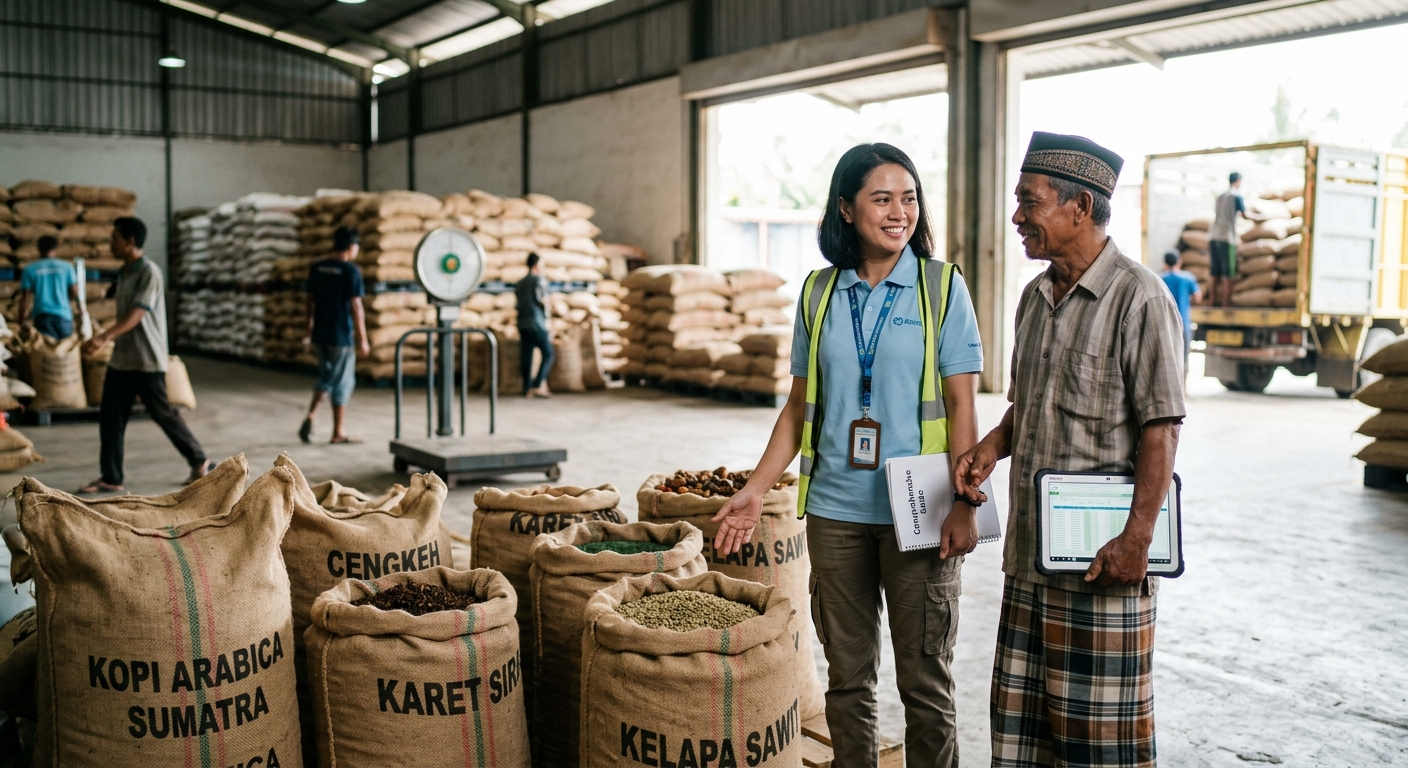
Sumatra is famous for its distinctive coffee, particularly the Mandheling, Lintong, and Gayo varieties. The traditional wet-hulling process (Giling Basah) gives Sumatran coffee its signature earthy flavor, full body, and low acidity. Sourcing coffee directly from Sumatra suppliers allows roasters and distributors to secure authentic, high-quality beans while supporting local farming cooperatives.
2. Palm Oil and Derivatives
Indonesia is the world’s largest producer of palm oil, and Sumatra is the epicenter of this industry. While sourcing palm oil, it is essential to prioritize suppliers who adhere to sustainable practices, such as those certified by the Roundtable on Sustainable Palm Oil (RSPO). Sustainable sourcing ensures that environmental and social standards are met.
3. Spices and Essential Oils
The island is a historical hub for the spice trade. Today, Sumatra remains a major exporter of black pepper, cinnamon (Cassia), nutmeg, and cloves. Additionally, the region produces valuable essential oils, such as patchouli oil, which are widely used in the fragrance and cosmetic industries. Speaking of cosmetics, if you are looking into expanding your product line, you might want to read about Private Label Organic Cosmetics Manufacturer Indonesia: Your Complete Guide to understand how raw materials from Indonesia are utilized in high-end beauty products.
4. Coco Peat and Coconut Products
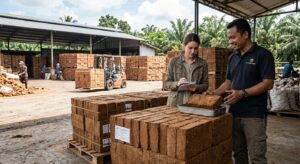
Coconut plantations are abundant across Sumatra. Coco peat, a byproduct of coconut husks, has become highly sought after globally as an eco-friendly soil amendment and growing medium. For agricultural and horticultural businesses, sourcing coco peat from Sumatra ensures a steady supply of premium material. If you are new to this process, understanding the logistics is vital. You can find detailed information in How to Import Cocopeat from Indonesia: A Step-by-Step Guide.
Benefits of Sourcing from Sumatra Suppliers
Choosing to source from Sumatra comes with several distinct advantages for international businesses:
- High Quality: The volcanic soil and ideal climate contribute to superior agricultural products.
- Competitive Pricing: Direct sourcing bypasses intermediaries, leading to better profit margins.
- Volume and Scalability: The sheer scale of agriculture in Sumatra allows suppliers to meet large volume demands.
- Sustainability Opportunities: Many local farmers are adopting organic and sustainable farming practices.
How to Identify and Vet Reliable Suppliers
Finding the right supplier is the cornerstone of successful sourcing. Here are steps to ensure you partner with reputable Sumatra suppliers:
1. Conduct Thorough Research
Start by utilizing trade directories, attending international agricultural expos, and consulting with local trade associations. Government trade bodies in Indonesia often provide lists of verified exporters.
2. Request Certifications
Depending on the commodity, request relevant certifications. For organic products, look for USDA Organic or EU Organic certifications. For fair trade, seek Fairtrade certification. These documents validate the supplier’s claims regarding quality and ethical practices.
3. Request Samples
Always request samples before placing a bulk order. This allows you to assess the quality of the commodity firsthand. For example, when evaluating growing mediums, checking the electrical conductivity (EC) and moisture content of the coco peat sample is crucial. For an in-depth look at pricing and quality standards, check out Indonesia Cocopeat Supplier Bulk Price: Your Guide to Premium Growing Mediums.
4. Arrange Factory or Farm Visits
If possible, visit the supplier’s facilities in Sumatra. A site visit provides insights into their production capacity, working conditions, and quality control processes. It also helps build a strong personal relationship, which is highly valued in Indonesian business culture.
Logistics and Shipping from Sumatra
Exporting agricultural commodities from Sumatra involves navigating local logistics and international shipping regulations. The primary ports for export in Sumatra include the Port of Belawan in North Sumatra and the Port of Panjang in Lampung. Working with an experienced freight forwarder is essential to manage customs clearance, documentation (such as Phytosanitary Certificates and Certificates of Origin), and secure shipping routes.
Understanding Pricing Structures
When negotiating with Sumatra suppliers, it is important to understand the typical pricing terms used in international trade (Incoterms). Common terms include FOB (Free On Board), CIF (Cost, Insurance, and Freight), and EXW (Ex Works). Ensure that all costs, including inland transportation, packaging, and export taxes, are clearly outlined in your contract to avoid unexpected expenses.
Commodity Comparison Table
Below is a summary table comparing key agricultural commodities sourced from Sumatra:
| Commodity | Primary Regions in Sumatra | Key Global Uses | Certifications to Look For |
|---|---|---|---|
| Coffee | Aceh (Gayo), North Sumatra (Mandheling) | Beverage industry, flavoring | Fairtrade, Organic, Rainforest Alliance |
| Spices (Cinnamon/Pepper) | West Sumatra, Lampung | Culinary, Pharmaceuticals, Essential Oils | ISO 22000, Organic, HACCP |
| Coco Peat | Lampung, Riau | Horticulture, Hydroponics, Animal Bedding | Fumigation Certificate, Phytosanitary |
| Palm Oil | Riau, North Sumatra | Food production, Cosmetics, Biofuels | RSPO, ISPO |
Conclusion
Sourcing agricultural commodities from Sumatra suppliers offers immense potential for businesses worldwide. From the rich, earthy tones of Sumatran coffee to the versatile and sustainable coco peat, the island’s agricultural offerings are unmatched in quality and variety. By conducting diligent research, vetting suppliers thoroughly, and understanding the logistical landscape, importers can establish profitable and sustainable supply chains. As global demand for high-quality, ethically sourced agricultural products continues to rise, Sumatra remains a vital and strategic sourcing destination.
Frequently Asked Questions (FAQ)
What makes Sumatran coffee different from other Indonesian coffees?
Sumatran coffee is distinct due to the traditional ‘Giling Basah’ (wet-hulling) processing method used by local farmers. This process imparts a heavy body, low acidity, and unique earthy, woody, or spicy flavor profiles that are highly prized in the global coffee market.
Is it safe to source palm oil from Sumatra given environmental concerns?
Yes, it is possible to source palm oil responsibly. Buyers should strictly seek out suppliers who hold the RSPO (Roundtable on Sustainable Palm Oil) certification, which ensures that the palm oil is produced without contributing to deforestation or exploiting workers.
What documents are required to import agricultural goods from Sumatra?
Typical required documents include a Commercial Invoice, Packing List, Bill of Lading, Certificate of Origin, and a Phytosanitary Certificate to prove the agricultural goods are free from pests and diseases. Specific requirements may vary based on the destination country’s import regulations.
How can I ensure the quality of coco peat before buying in bulk?
Before placing a bulk order, request product samples to test for vital metrics such as moisture content, expansion ratio, and electrical conductivity (EC). Low EC is essential for most horticultural uses to prevent salt damage to plants.