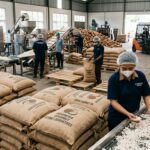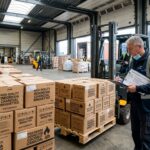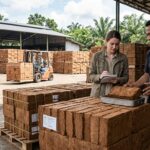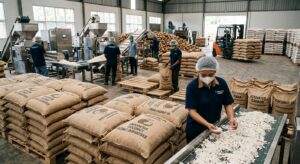


Introduction to Buffered Cocopeat Blocks Wholesale in Indonesia
As sustainable agriculture gains momentum globally, the demand for eco-friendly growing media has skyrocketed. Among the most sought-after products are buffered cocopeat blocks. Sourcing buffered cocopeat blocks wholesale indonesia has become a strategic move for commercial farmers, horticulturists, and greenhouse operators. Indonesia, with its vast coconut plantations and advanced processing facilities, stands out as a premier supplier of high-quality cocopeat.
Cocopeat, also known as coir pith, is a byproduct of coconut husk processing. In its raw form, it contains high levels of sodium and potassium, which can be detrimental to delicate plant roots. Buffering is a crucial chemical process that replaces these harmful salts with calcium, creating a stable, pH-neutral growing medium. This article delves into the intricacies of purchasing wholesale buffered cocopeat from Indonesia, the benefits of the product, and essential export considerations.
The Advantages of Buffered Cocopeat
Buffered cocopeat offers numerous advantages over traditional soil and non-buffered alternatives. It boasts exceptional water retention capabilities while ensuring adequate aeration for plant roots, which minimizes the risk of root rot and fungal diseases. The buffering process ensures that the cation exchange capacity (CEC) is optimized, allowing nutrients to be readily available to the plants rather than locked up in the growing medium.
Furthermore, cocopeat is 100% biodegradable, renewable, and environmentally friendly. By choosing Partnering with a Cocopeat Growing Media Bulk Distributor for Commercial Agriculture, businesses can ensure a steady supply of this premium medium, leading to healthier crops, higher yields, and a reduced environmental footprint.
Why Source from Indonesia?
Indonesia is one of the world’s top producers of coconuts. The abundance of raw material allows Indonesian manufacturers to produce cocopeat at a highly competitive scale. Additionally, many Indonesian suppliers have invested heavily in modern buffering and washing facilities to meet strict international quality standards.
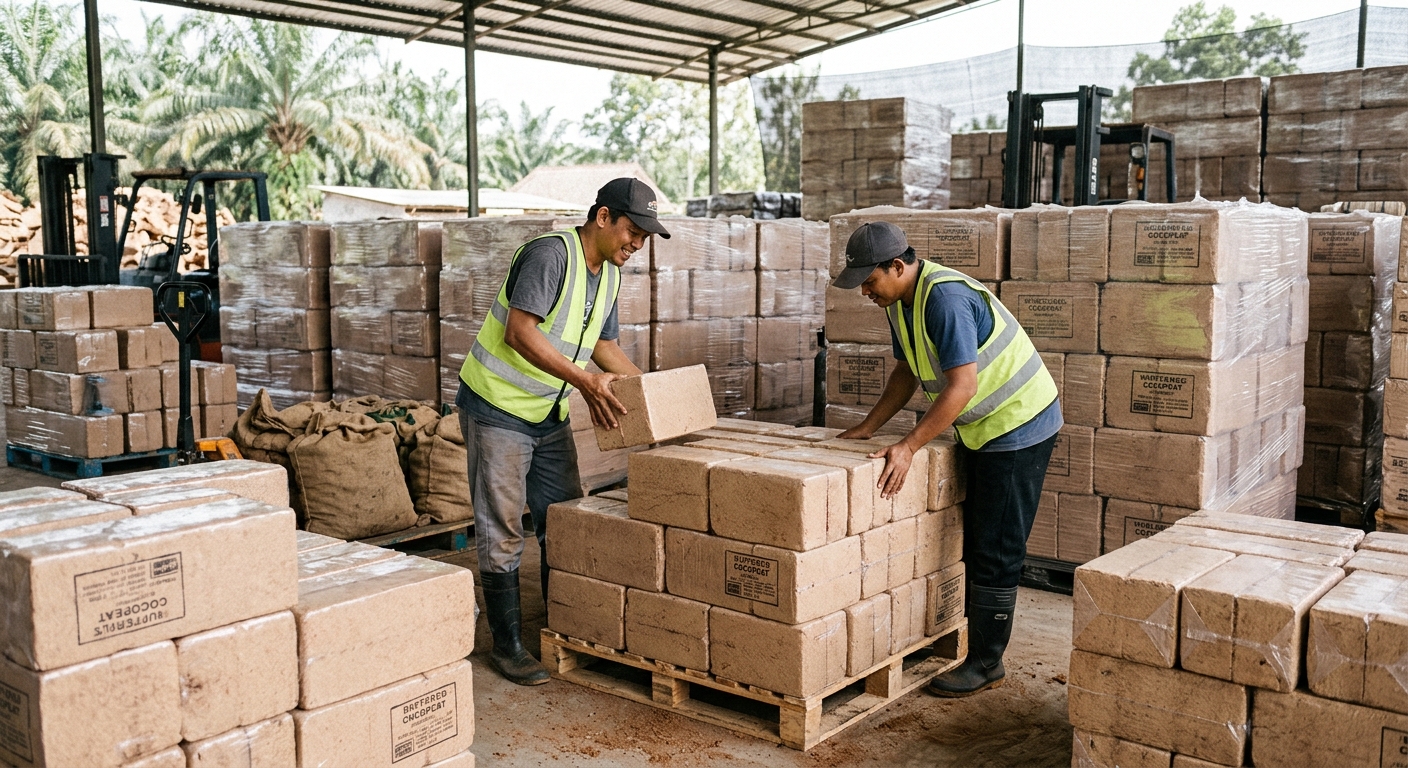
When purchasing buffered cocopeat blocks wholesale from Indonesia, buyers benefit from consistent quality, competitive pricing, and a variety of compression ratios (typically 5kg blocks) that make shipping efficient and cost-effective. The strategic location of Indonesia’s ports also facilitates smooth maritime logistics to global markets.
Understanding Export Regulations and Logistics
Importing agricultural products internationally requires a solid understanding of both the exporting country’s regulations and the destination country’s phytosanitary requirements. It is vital to stay informed about local export policies. For a detailed overview, we recommend reading about Understanding Indonesia’s Export Ban List and Regulations: A Comprehensive Guide to ensure your supply chain remains uninterrupted.
Once regulations are cleared, managing the logistics of your shipment is the next hurdle. Proper documentation, including phytosanitary certificates, certificates of origin, and bill of lading, is mandatory. Navigating these requirements can be complex, which is why reviewing a Comprehensive Guide to Indonesia Export Custom Clearance Services is highly beneficial for first-time and seasoned importers alike. Working with a reliable logistics partner like Export Nusa can streamline this process significantly.
Comparing Buffered vs. Unbuffered Cocopeat
To better understand the value of buffered cocopeat, it is helpful to compare it directly with unbuffered (washed or unwashed) cocopeat.
| Feature | Buffered Cocopeat | Unbuffered Cocopeat |
|---|---|---|
| Salinity (EC Levels) | Very Low | Moderate to High |
| pH Stability | Highly Stable (Neutral) | Variable |
| Nutrient Availability | Excellent (Calcium enriched) | Poor (High Sodium/Potassium) |
| Best Used For | Seedlings, hydroponics, sensitive plants | Soil amendment, hardy outdoor plants |
| Price | Higher (due to processing) | Lower |
Conclusion
Sourcing buffered cocopeat blocks wholesale from Indonesia is a highly effective strategy for agricultural enterprises seeking premium, sustainable growing media. The rigorous buffering process ensures a safe, nutrient-friendly environment for optimal plant growth. By understanding the logistical requirements and leveraging Indonesia’s robust coconut industry, businesses can secure a reliable supply chain that supports long-term agricultural success. With the right partners and knowledge of export regulations, importing from Indonesia can be a smooth and highly profitable endeavor.
Frequently Asked Questions
What is the difference between washed and buffered cocopeat?
Washed cocopeat has been rinsed with fresh water to lower the electrical conductivity (EC) by removing excess surface salts. Buffered cocopeat goes a step further by undergoing a chemical process using calcium nitrate to displace sodium and potassium ions bound to the cocopeat fibers, making it safer for sensitive plant roots.
How do I expand a 5kg buffered cocopeat block?
To expand a 5kg block, simply place it in a large container and gradually add water (typically 15 to 25 liters, depending on the manufacturer’s specifications). The block will absorb the water and expand up to 5 to 15 times its original volume, yielding around 60 to 75 liters of fluffy growing medium.
Are phytosanitary certificates required when importing cocopeat from Indonesia?
Yes, phytosanitary certificates are almost always required when importing plant-based materials like cocopeat to ensure they are free from pests and diseases. Always check with your local agricultural authority for specific import requirements.
Why should I buy cocopeat wholesale from Indonesia?
Indonesia offers a massive supply of high-quality raw materials, competitive pricing, and advanced manufacturing capabilities. Purchasing wholesale allows for economies of scale, reducing the per-unit cost and lowering shipping expenses when consolidated in shipping containers.