

Introduction to High Quality Cocopeat Pellets Bulk
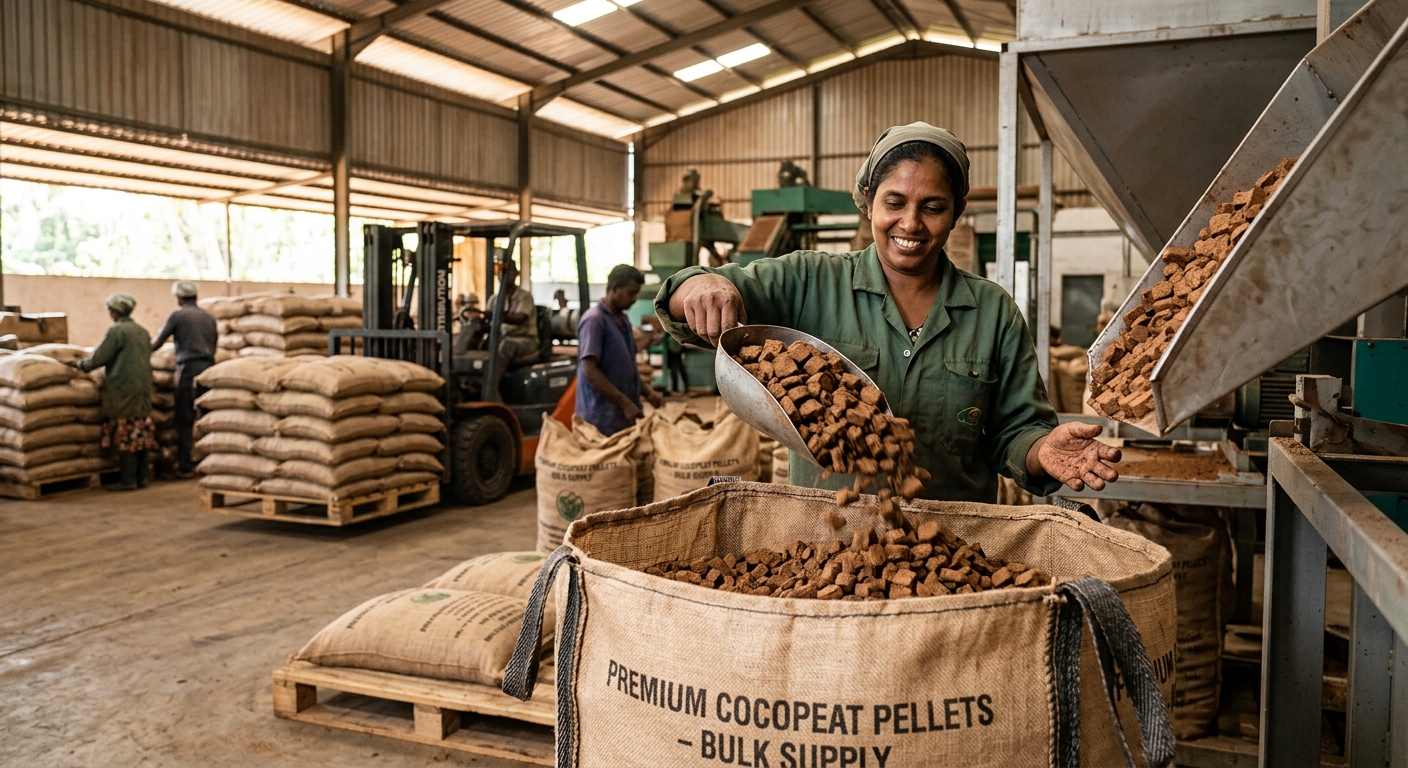
In modern horticulture and commercial agriculture, the search for sustainable, efficient, and cost-effective growing media has led many professionals to cocopeat. Specifically, high quality cocopeat pellets bulk purchases have become a staple for nurseries, greenhouse operators, and large-scale farmers. Made from the fibrous husks of coconuts, these pellets offer an incredible combination of water retention, aeration, and eco-friendliness that traditional soil simply cannot match.
When scaling up operations, securing a reliable supply of cocopeat is essential. Whether you are starting seeds, rooting cuttings, or managing hydroponic systems, understanding the nuances of cocopeat pellets can significantly impact your yield and bottom line. Furthermore, working with a reputable export supply company ensures that you receive consistent quality across large shipments.
The Advantages of Using Cocopeat Pellets
Cocopeat, also known as coir pith, possesses unique physical and chemical properties that make it an ideal growing medium.
Exceptional Water Retention and Aeration
One of the primary benefits of high quality cocopeat pellets is their ability to hold up to eight times their weight in water while still maintaining excellent porosity. This means plant roots have access to the moisture they need without suffering from waterlogging. The structure of the coconut fiber naturally promotes oxygen exchange, preventing root rot and encouraging vigorous root development.
Eco-Friendly and Sustainable
Unlike peat moss, which is harvested from environmentally sensitive bogs that take centuries to regenerate, cocopeat is a byproduct of the coconut industry. Utilizing coconut husks for agricultural purposes prevents this material from going to waste. Choosing cocopeat pellets in bulk is a responsible decision for operations aiming to reduce their environmental footprint.
Disease Resistance and Neutral pH
High quality cocopeat is naturally resistant to fungal growth and pests. It typically boasts a neutral pH range of 5.5 to 6.8, which is ideal for the vast majority of plants. This neutral baseline allows growers to easily adjust nutrient solutions without fighting the natural acidity often found in other growing media.
Understanding Bulk Cocopeat Sourcing and Shipping
When ordering high quality cocopeat pellets bulk, logistics play a crucial role in overall cost and efficiency. Buyers must consider factors such as compression ratios, moisture content, and shipping methods to maximize value.
For those looking to expand their product offerings or establish a brand, reading A Complete Guide to Private Label Cocopeat Growing Media can provide valuable insights into customizing packaging and specifications to meet specific market demands.
Shipping logistics are equally important. Buying in bulk often involves ocean freight. If you are not purchasing full container loads, you will need to familiarize yourself with Less than Container Load (LCL) options. Understanding LCL Shipping Container Rates from Jakarta is vital for accurately calculating landing costs and ensuring smooth international transactions.
Washed vs. Buffered Cocopeat
When purchasing cocopeat, you will often encounter the terms “washed” and “buffered.” It is essential to understand the difference to ensure you select the right product for your crops.
Washed cocopeat has been rinsed with clean water to reduce naturally occurring salts (Electrical Conductivity, or EC). Buffered cocopeat takes this a step further by treating the coir with a calcium solution, which displaces sodium and potassium ions. This prevents the cocopeat from locking out essential nutrients like calcium and magnesium when you begin fertilizing your plants. For an in-depth look at bulk purchasing of buffered products, check out the Comprehensive Guide to Buffered Cocopeat Blocks Wholesale in Indonesia.
The table below compares the typical specifications of standard washed cocopeat pellets versus premium buffered cocopeat pellets.
| Cocopeat Type | Electrical Conductivity (EC) | pH Level | Best Used For |
|---|---|---|---|
| Standard Washed Pellets | < 1.0 mS/cm | 5.8 – 6.8 | Hardy plants, general landscaping |
| Premium Buffered Pellets | < 0.5 mS/cm | 5.5 – 6.5 | Seed starting, sensitive crops, hydroponics |
How to Choose a Reliable Supplier
Finding a trustworthy supplier for high quality cocopeat pellets bulk requires due diligence. Consider the following criteria when evaluating potential partners:
- Quality Control Protocols: Ensure the supplier regularly tests for EC, pH, and moisture content.
- Production Capacity: Can the supplier meet your volume requirements consistently throughout the year?
- Certifications: Look for phytosanitary certificates and organic certifications if applicable to your market.
- Customization: The ability to adjust pellet size, compression ratio, and packaging is a strong indicator of a capable manufacturer.
Conclusion
Investing in high quality cocopeat pellets bulk is a strategic move for modern agricultural and horticultural enterprises. By providing superior aeration, optimal moisture retention, and an eco-friendly alternative to peat moss, cocopeat supports robust plant growth and sustainable farming practices. Understanding the differences between washed and buffered coir, navigating international shipping logistics, and selecting a reputable supplier are the keys to successfully integrating this remarkable growing medium into your operations.
Frequently Asked Questions
What are cocopeat pellets used for?
Cocopeat pellets are primarily used for seed starting, rooting cuttings, and as a growing medium in hydroponic systems. When hydrated, they expand significantly, providing an excellent environment for root development.
How long do cocopeat pellets last?
Cocopeat is highly durable and resists decomposition better than peat moss. In a growing container, it can easily last 3 to 4 years before its physical structure begins to break down, making it reusable for multiple crop cycles if properly sterilized.
Do I need to add nutrients to cocopeat?
Yes. Cocopeat is an inert growing medium, meaning it does not contain significant amounts of plant nutrients. Growers must supply a balanced liquid fertilizer or incorporate dry amendments to support plant growth.
Why is buffered cocopeat better for seed starting?
Buffered cocopeat has been treated to remove excess sodium and potassium, replacing them with calcium. This prevents the medium from binding with calcium and magnesium from your fertilizers, ensuring young seedlings have immediate access to all necessary nutrients.