

Introduction to Sourcing Crude Palm Oil in Indonesia
Indonesia stands as the world’s undisputed leader in the production and export of Crude Palm Oil (CPO). With its favorable tropical climate, vast agricultural landscapes, and established infrastructure, the archipelago nation supplies a significant portion of the global demand for this versatile commodity. From the food and beverage sector to cosmetics, biofuels, and industrial applications, CPO remains a crucial ingredient in thousands of everyday products. However, sourcing crude palm oil from Indonesia requires a deep understanding of the local market dynamics, regulatory frameworks, supply chain logistics, and, increasingly, environmental sustainability standards.
For international buyers, establishing a reliable CPO supply chain involves navigating a complex web of plantation owners, mills, refineries, and logistics providers. This guide aims to provide a comprehensive overview of the critical factors involved in sourcing crude palm oil in Indonesia, ensuring that businesses can make informed decisions while mitigating risks and promoting responsible sourcing practices.
The Indonesian Palm Oil Industry Landscape
The palm oil industry is a cornerstone of the Indonesian economy, contributing significantly to its GDP and providing employment for millions of smallholder farmers and plantation workers. The primary production hubs are located in the islands of Sumatra and Kalimantan, where the soil and climate conditions are optimal for cultivating oil palms.
Key Stakeholders in the Supply Chain
- Smallholder Farmers: Managing a substantial portion of the planted area, smallholders are vital to the industry but often require support to meet modern sustainability standards.
- Large Plantation Companies: These corporate entities manage vast estates and usually have integrated operations, including milling and sometimes refining.
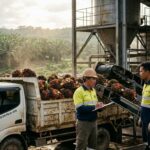
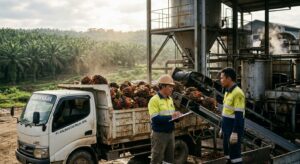
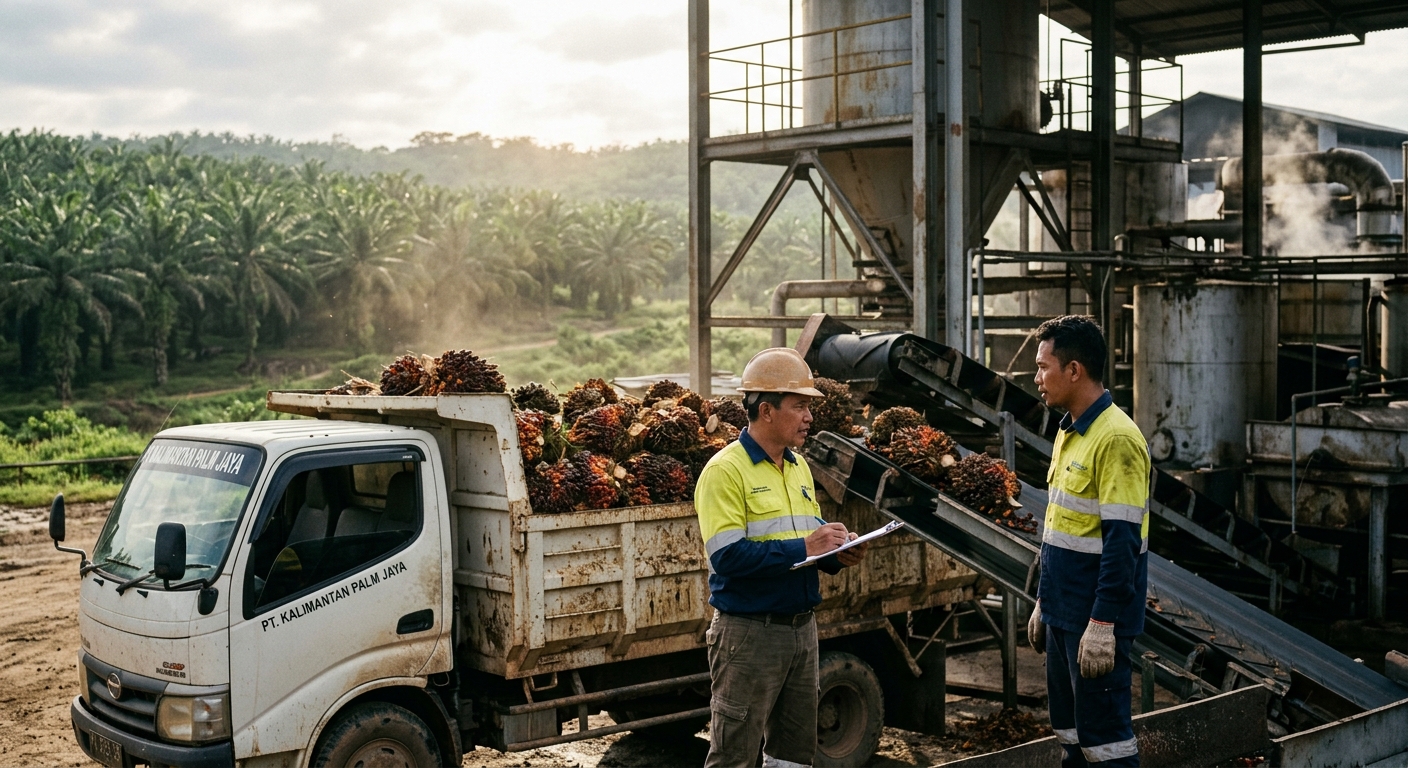
- Crude Palm Oil Mills: Facilities located near plantations that process fresh fruit bunches (FFB) into CPO and palm kernels.
- Refineries and Exporters: Entities that process CPO into refined products or handle the bulk export of crude oil to international markets.
Understanding these stakeholders is essential for traceability. Buyers increasingly need to map their supply chains back to the mill or even the plantation level to ensure compliance with international sustainability commitments.
Quality and Specifications of Crude Palm Oil
When sourcing CPO, quality specifications are paramount. The value and usability of the oil depend on various chemical and physical parameters. Standard trade contracts usually specify limits on Free Fatty Acids (FFA), Moisture and Impurities (M&I), and DOBI (Deterioration of Bleachability Index).
Here is a comparison of typical standard versus premium CPO specifications often encountered in the Indonesian market:
| Specification Type | Free Fatty Acids (FFA) Max | Moisture & Impurities Max | DOBI Min |
|---|---|---|---|
| Standard CPO | 5.0% | 0.5% | 2.31 |
| Premium CPO | 3.0% | 0.25% | 2.80 |
Navigating Logistics and Export Procedures
The logistical aspect of exporting CPO from Indonesia involves coordinating bulk liquid transportation from inland mills to major export ports like Belawan (North Sumatra) or Dumai (Riau). Managing this flow requires expertise in domestic freight, storage tank management, and ocean freight.
For businesses that also import other agricultural products or require general logistics assistance in the region, understanding local freight forwarding is beneficial. You can learn more by reading The Comprehensive Guide to Freight Forwarding Services in Semarang, which provides insights into moving goods efficiently through major Indonesian ports.
Customs and Export Regulations
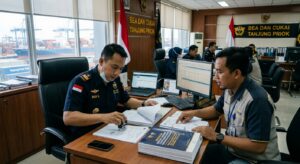
The Indonesian government frequently adjusts policies regarding palm oil exports to balance domestic supply and international trade. These include export levies, taxes, and sometimes the Domestic Market Obligation (DMO) policy, which requires exporters to supply a certain percentage of their volume to the local market before obtaining export permits. Staying updated on these regulations is critical to avoid supply disruptions and unexpected costs.
Sustainability and Responsible Sourcing
The environmental and social impact of palm oil expansion has been a subject of intense global scrutiny. Issues such as deforestation, peatland degradation, and labor rights are major concerns for modern consumers and corporate stakeholders. Consequently, responsible sourcing is no longer an optional strategy; it is a fundamental requirement for market access.
Certification Standards
- RSPO (Roundtable on Sustainable Palm Oil): The leading global standard for sustainable palm oil, ensuring that CPO is produced without causing harm to the environment or society.
- ISPO (Indonesian Sustainable Palm Oil): A mandatory certification scheme introduced by the Indonesian government to improve the sustainability and competitiveness of the Indonesian palm oil industry.
- NDPE (No Deforestation, No Peat, No Exploitation): A corporate commitment adopted by many major buyers and traders to ensure their supply chains are free from environmental degradation and human rights abuses.
Buyers must actively seek suppliers who hold these certifications and are transparent about their sourcing practices. This commitment often extends to other agricultural imports from Indonesia. For instance, those interested in sustainable horticulture products can consult Indonesian Cocopeat Block Wholesale Supplier: Your Complete Guide to Premium Coir or review A Complete Guide to Wholesale Cocopeat Growing Media from Indonesia for insights into eco-friendly sourcing in related sectors.
Establishing Supplier Relationships in Indonesia
Building strong, long-term relationships with local suppliers is the key to successfully sourcing CPO. This involves conducting thorough due diligence, visiting facilities, and engaging in transparent negotiations. A reliable local partner can help navigate cultural nuances, regulatory changes, and logistical hurdles.
Many Indonesian suppliers diversify their agricultural exports. For example, a company dealing in palm products might also be involved in the coconut industry. If you are exploring broader agricultural sourcing, you might find Wholesale Coconut Charcoal for Hookah: The Ultimate Guide useful for understanding the dynamics of other high-demand Indonesian commodities.
Conclusion
Sourcing Crude Palm Oil from Indonesia offers access to the world’s most abundant supply of this critical commodity. However, success in this market requires more than just negotiating prices. It demands a comprehensive understanding of the supply chain, strict adherence to quality specifications, mastery of local logistics and export regulations, and a steadfast commitment to sustainability. By partnering with certified, transparent suppliers and staying informed about market dynamics, international buyers can secure a reliable and responsible supply of Indonesian CPO to fuel their global operations.
Frequently Asked Questions (FAQ)
What is the difference between RSPO and ISPO certifications?
RSPO is a voluntary, globally recognized standard for sustainable palm oil driven by industry stakeholders and NGOs. ISPO is a mandatory certification mandated by the Indonesian government for all palm oil growers in the country, focusing on compliance with local laws and regulations.
How are the prices of Indonesian CPO determined?
CPO prices are largely determined by global market dynamics, heavily influenced by benchmark futures contracts traded on the Bursa Malaysia Derivatives (BMD). Additionally, Indonesian domestic policies, such as export levies and taxes, directly impact the final FOB (Free on Board) price for international buyers.
What is the Domestic Market Obligation (DMO)?
The DMO is a policy periodically implemented by the Indonesian government requiring CPO producers to sell a specific portion of their product to the domestic market at a capped price to ensure local availability of cooking oil before they are allowed to export.
Why is traceability important when sourcing CPO?
Traceability—the ability to track CPO back to its mill or plantation of origin—is crucial for verifying that the oil was produced sustainably, without contributing to deforestation, peatland destruction, or human rights violations, thereby meeting NDPE commitments and consumer expectations.