

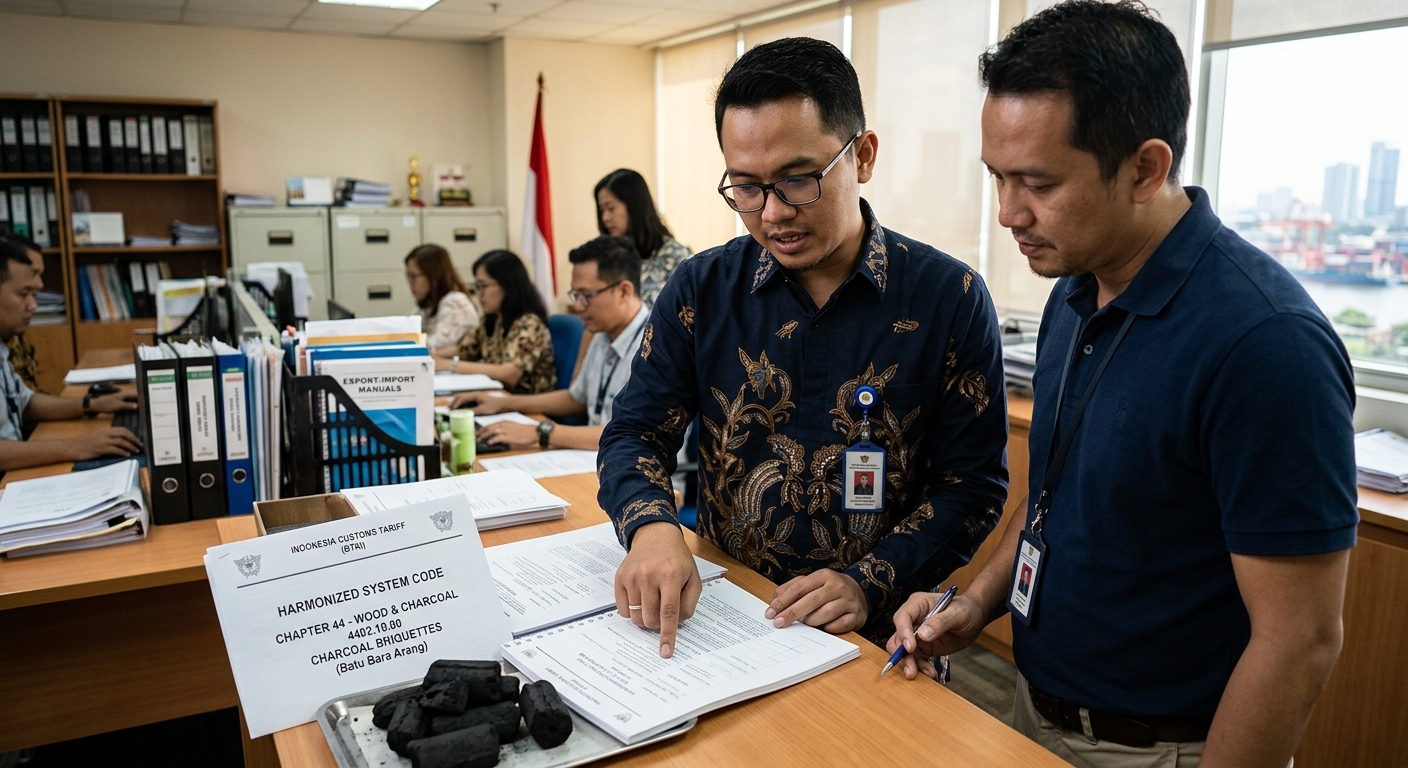
Introduction to Indonesia’s Charcoal Briquette Industry
Indonesia is one of the world’s leading producers and exporters of high-quality charcoal briquettes, primarily derived from coconut shells, hardwood, and bamboo. The global demand for these eco-friendly and high-efficiency fuel sources has surged, driven by industries such as shisha/hookah, barbecue, and metallurgy. Understanding the regulatory framework, particularly the Harmonized System (HS) code, is crucial for businesses looking to engage in the import and export of these products.
The HS code is an internationally standardized system of names and numbers to classify traded products. For Indonesian charcoal briquettes, accurately identifying the HS code ensures compliance with customs regulations, correct tariff calculation, and smooth cross-border logistics.
Understanding the HS Code for Charcoal Briquettes in Indonesia
In international trade, charcoal and its derivatives are generally classified under Chapter 44 of the Harmonized System, which covers wood and articles of wood; wood charcoal. The specific HS code for wood charcoal, including shell or nut charcoal, whether or not agglomerated (which includes briquettes), is typically 4402.90.
It is important to note that customs classifications can vary slightly depending on the specific composition of the briquette (e.g., 100% coconut shell vs. a blend of sawdust and hardwood). Exporters must ensure that their product specifications match the exact sub-heading required by the importing country. Misclassification can lead to shipment delays, fines, or confiscation of goods.
Exporting Charcoal Briquettes from Indonesia: Regulatory Compliance
Exporting charcoal briquettes from Indonesia involves navigating a series of regulatory steps. The Indonesian government regulates the export of natural resources to ensure sustainability and economic benefit. Exporters must obtain a Business Identification Number (NIB) and specific export licenses depending on the exact nature of the goods.
Furthermore, understanding related export tariffs and regulations is beneficial for a broader perspective on Indonesian trade policies. For instance, those interested in other major commodities can read about Understanding Indonesia Export Tariff on Crude Palm Oil: A Comprehensive Guide. While this applies to palm oil, it highlights the importance of staying updated on Indonesian export duties and policies.
Quality Standards and Specifications
Indonesian charcoal briquettes are prized for their high carbon content, low ash residue, and long burning time. Buyers typically look for specific qualities depending on the end-use. For shisha, a white ash and lack of odor are paramount. For barbecue, a consistent heat output is necessary.
Below is a comparison of typical specifications for two popular types of Indonesian charcoal briquettes: Coconut Shell Briquettes (often used for Shisha) and Hardwood Briquettes (often used for BBQ).
| Briquette Type | Fixed Carbon (%) | Ash Content (%) | Burning Time (Hours) |
|---|---|---|---|
| Coconut Shell (Shisha) | 75 – 80 | 2.0 – 2.5 | 2.0 – 2.5 |
| Hardwood (BBQ) | 65 – 75 | 4.0 – 5.0 | 3.0 – 4.0 |
Logistics and Shipping of Charcoal Briquettes
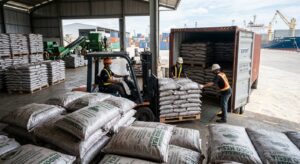
Shipping charcoal briquettes requires careful planning. Due to the nature of the product, it is sometimes classified as a dangerous good (self-heating substance) depending on the results of a self-heating test (N.4 test). Proper documentation, including a Material Safety Data Sheet (MSDS) and a certificate of analysis, is mandatory.
For importers, navigating the supply chain from Indonesia can be complex. A valuable resource for understanding these processes is the Comprehensive Guide to Logistics for Importing from Indonesia. This guide provides insights into working with freight forwarders, managing customs clearance, and ensuring timely delivery.
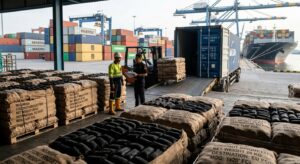
Most charcoal briquette exports are shipped via sea freight due to their volume and weight. Jakarta’s Tanjung Priok port is a major hub for these exports. For detailed information on utilizing this port, consult A Complete Guide to Sea Freight Container Shipping in Jakarta, which covers container options, port operations, and cost management.
The Role of Sustainable Practices
The global market is increasingly demanding sustainably sourced products. Indonesian manufacturers are responding by ensuring their coconut shells are sourced as a byproduct of the copra and coconut oil industries, preventing waste. Similarly, bamboo and hardwood are being sourced from sustainably managed forests.
This focus on sustainable agricultural byproducts is seen across various sectors in Indonesia. For example, coconut husks are processed into valuable agricultural mediums. You can learn more about this in The Ultimate Guide to the Best Cocopeat Blocks for Hydroponics, showcasing the versatility and sustainability of Indonesian coconut products.
Conclusion
Understanding the Indonesia HS code for charcoal briquettes is the foundational step for any business looking to trade in this lucrative commodity. By ensuring correct classification (typically under HS code 4402.90), adhering to Indonesian export regulations, maintaining high-quality standards, and partnering with reliable logistics providers, exporters and importers can successfully navigate this market. The demand for premium Indonesian charcoal briquettes shows no signs of slowing down, making it a promising venture for informed international traders.
Frequently Asked Questions (FAQ)
What is the standard HS code for charcoal briquettes in Indonesia?
The standard HS code for wood charcoal, which includes charcoal briquettes made from coconut shell or hardwood, is generally classified under 4402.90. However, always verify the exact 8-digit code with local customs based on the specific composition of the briquette.
Are Indonesian charcoal briquettes considered dangerous goods for shipping?
Charcoal briquettes can be classified as dangerous goods (Class 4.2 – liable to spontaneous combustion) unless they pass a specific self-heating test (N.4 test) conducted by an accredited laboratory. If they pass, they can be shipped as non-hazardous cargo, but strict documentation is still required.
What documents are required to export charcoal briquettes from Indonesia?
Key documents include a Commercial Invoice, Packing List, Bill of Lading, Certificate of Origin, Material Safety Data Sheet (MSDS), Certificate of Analysis (COA), and a Self-Heating Test Report. Specific buyer requirements or destination country regulations may necessitate additional certifications.