

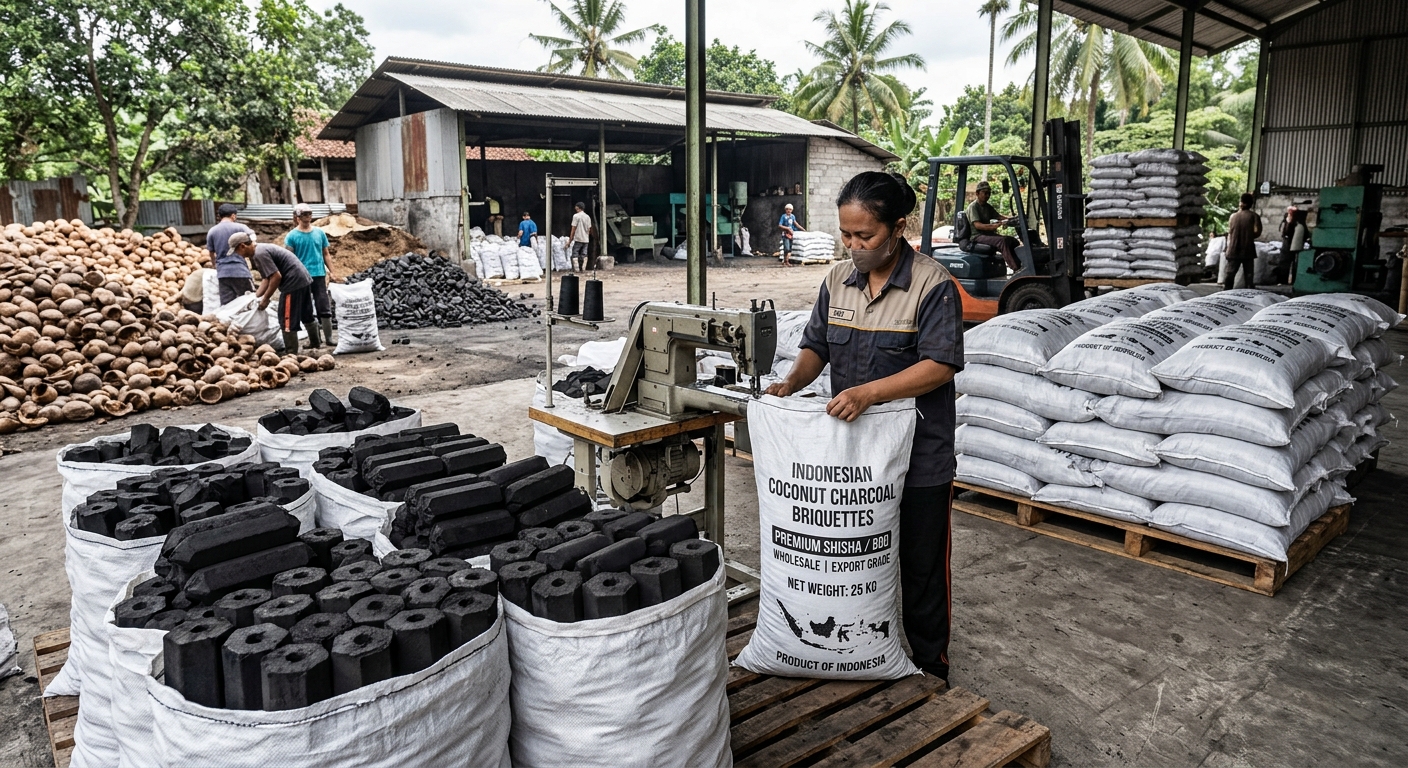
Introduction to Coconut Charcoal Briquettes from Indonesia
When it comes to high-quality charcoal products, Indonesia stands out as a leading global supplier. Sourcing coconut charcoal briquettes wholesale Indonesia has become increasingly popular among international buyers looking for sustainable, efficient, and long-lasting fuel sources. These briquettes, made from 100% natural coconut shells, are highly valued in both the shisha (hookah) industry and the barbecue sector.
Understanding the intricacies of the Indonesian market is essential for successful procurement. From identifying the right suppliers to navigating complex export regulations, buyers must be well-informed. For those interested in a broader perspective on sustainable sourcing, reading about Sourcing Organic Agricultural Products from Indonesia: A Complete Guide provides valuable context on the country’s commitment to natural products.
Why Choose Indonesian Coconut Charcoal Briquettes?
Indonesian coconut charcoal briquettes are renowned worldwide for several distinct advantages. The tropical climate and extensive coastlines of Indonesia create the perfect environment for cultivating coconuts, ensuring an abundant supply of raw materials.
Key Advantages
- High Heat and Long Burn Time: Coconut shell charcoal burns hotter and longer than traditional wood charcoal, making it highly efficient.
- Low Ash Content: High-quality Indonesian briquettes typically produce very little ash, often less than 2.5%, which is crucial for shisha users.
- Odorless and Smokeless: When properly manufactured, these briquettes emit no smoke or odor, preserving the flavor of food or shisha tobacco.
- Eco-Friendly: Produced from coconut shells, a byproduct of the coconut industry, these briquettes do not require cutting down trees, making them a sustainable choice.
The Manufacturing Process
The production of coconut charcoal briquettes involves a meticulous process to ensure premium quality. Understanding this process can help buyers assess the capabilities of wholesale suppliers.
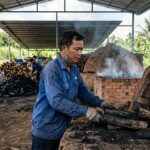
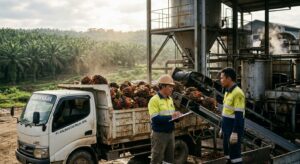
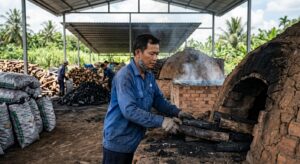
First, coconut shells are collected and carbonized in kilns. The resulting charcoal is then crushed into a fine powder. This powder is mixed with a natural binder, usually tapioca starch, and pressed into various shapes such as cubes, flats, or hexagons. Finally, the briquettes are dried in industrial ovens to reduce moisture content to an optimal level (usually under 5%). Quality control at each step is vital to producing export-grade briquettes.
How to Source Wholesale Suppliers in Indonesia
Finding a reliable supplier for coconut charcoal briquettes wholesale Indonesia requires due diligence. Buyers should look for manufacturers with proven track records, consistent quality, and necessary certifications.
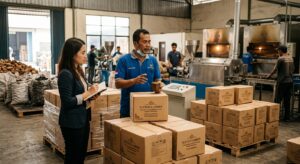
It is advisable to request samples before placing bulk orders. This allows you to test the burn time, ash color, and structural integrity of the briquettes. Additionally, partnering with experienced export facilitators like Export Nusa can streamline the sourcing and logistics processes.
Export and Import Procedures
Importing charcoal from Indonesia involves specific documentation and adherence to international shipping regulations. Charcoal is often classified as a dangerous good (Class 4.2) due to its self-heating properties, requiring special handling and packaging.
To navigate these complexities, buyers should familiarize themselves with the Indonesia Export Import Procedures Manual: A Complete Guide. This resource outlines the necessary steps to ensure compliance with Indonesian customs.
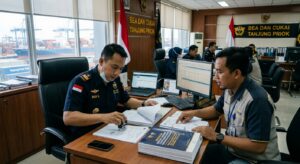
Furthermore, ensuring all paperwork is accurate is critical to avoiding delays at the port. For detailed information on the required paperwork, review A Complete Guide to Export Documentation for Shipping from Indonesia.
Comparing Charcoal Grades
Coconut charcoal briquettes are generally categorized into different grades based on their intended use. Below is a comparison table outlining the typical specifications for Shisha and BBQ grades.
| Specification | Shisha/Hookah Grade | Barbecue (BBQ) Grade |
|---|---|---|
| Ash Content | 1.8% – 2.5% | 4% – 8% |
| Moisture Content | Max 5% | Max 8% |
| Volatile Matter | 12% – 15% | 15% – 22% |
| Fixed Carbon | 75% – 85% | 65% – 75% |
| Burn Time | 1.5 – 2 Hours | 2 – 4 Hours |
Conclusion
Sourcing coconut charcoal briquettes wholesale Indonesia offers immense potential for businesses in the shisha and barbecue industries. The superior quality, sustainability, and efficiency of Indonesian coconut charcoal make it a highly sought-after commodity globally. By understanding the production process, carefully selecting suppliers, and mastering the export documentation, buyers can secure a steady supply of premium briquettes to meet their market demands.
Frequently Asked Questions (FAQ)
What makes Indonesian coconut charcoal better than wood charcoal?
Indonesian coconut charcoal burns hotter, lasts longer, and produces significantly less ash and smoke compared to traditional wood charcoal. It is also an eco-friendly option as it utilizes agricultural waste (coconut shells) rather than requiring deforestation.
Is coconut charcoal considered a dangerous good for shipping?
Yes, coconut charcoal is often classified as a hazardous material (Class 4.2 – spontaneously combustible) under international maritime regulations. It requires specific testing (such as the Vanning Certificate and Self-Heating Test) and specialized packaging for safe ocean transport.
What shapes of briquettes are available for wholesale?
Manufacturers in Indonesia can produce briquettes in various shapes and sizes. The most common shapes for shisha are 22mm, 25mm, and 26mm cubes, as well as flat rectangles and cylinders. For BBQ, larger hexagonal or pillow-shaped briquettes are typical.
How do I verify the quality of a wholesale supplier?
To verify quality, always request samples for independent testing. Check for drop-test durability, ash color (white or light grey is preferred for shisha), burn time, and lack of odor. Additionally, ask for factory certifications and references from previous international buyers.