

Introduction to Halal Certified Private Label Manufacturers
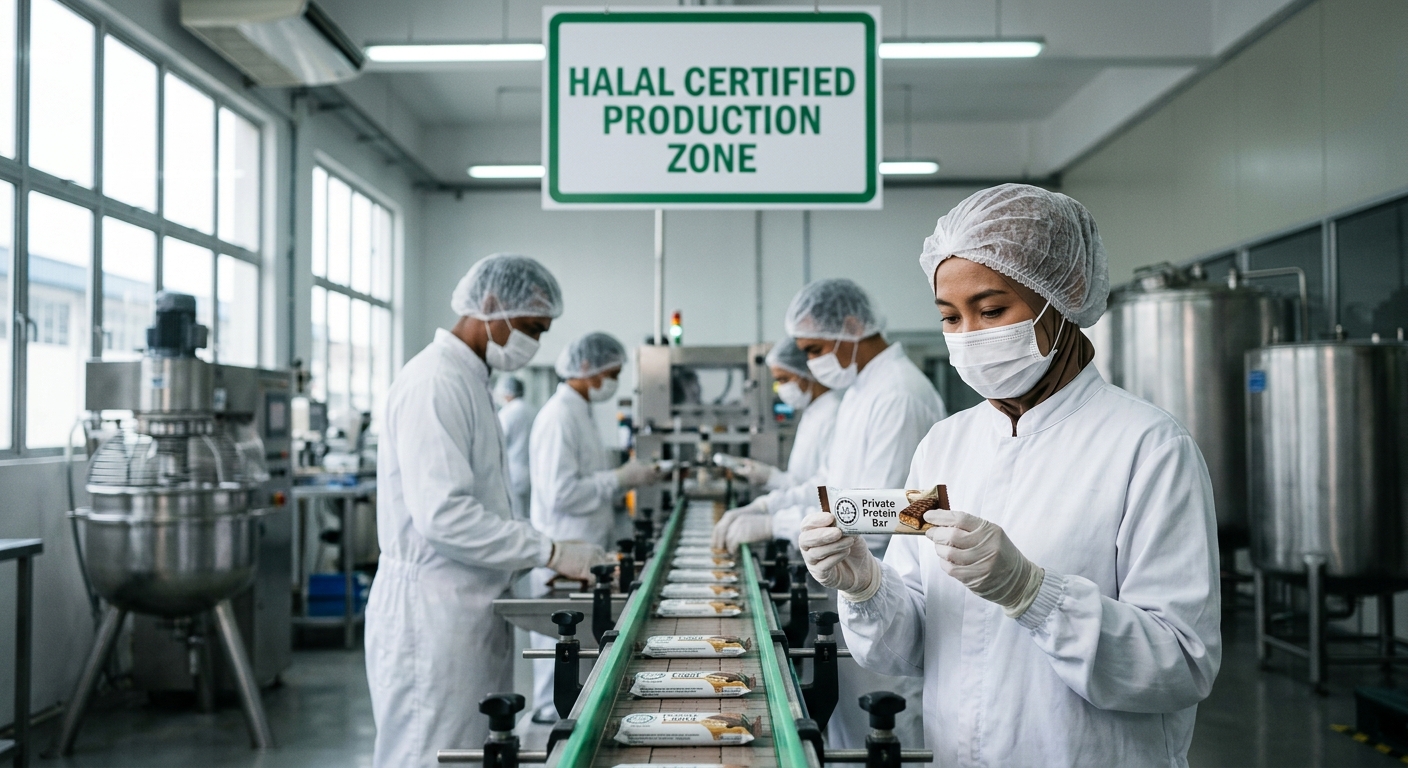
In today’s expanding global market, the demand for halal-certified products is growing exponentially. Consumers are increasingly seeking products that adhere to strict Islamic dietary and ethical standards. This surge in demand has paved the way for brands to collaborate with halal certified private label manufacturers. These manufacturers provide a streamlined path for businesses to launch high-quality, compliant products without the overhead of establishing their own production facilities.
The Importance of Halal Certification
Halal certification is not merely a religious requirement; it is a globally recognized symbol of quality, hygiene, and ethical manufacturing. When a private label manufacturer holds a halal certification, it assures the brand and the end consumer that the products are free from prohibited ingredients and cross-contamination. This level of transparency builds trust and opens doors to lucrative markets, particularly in regions with significant Muslim populations.
Benefits of Private Labeling
- Cost-Effective: Reduces initial capital investment in manufacturing equipment and facilities.
- Speed to Market: Allows for quicker product launches as the manufacturer already has established formulas and processes.
- Scalability: Easier to adjust production volumes based on market demand.
- Focus on Branding: Frees up resources for marketing and brand development.
Navigating the Supply Chain and Logistics
Choosing the right halal certified private label manufacturer involves assessing their supply chain capabilities. For instance, businesses sourcing agricultural or natural raw materials from Southeast Asia must understand export regulations. A highly recommended resource is the Comprehensive Guide to Exporting Agricultural Products from Indonesia, which provides vital insights into compliance and logistics.
Furthermore, logistics play a critical role in maintaining the integrity and timely delivery of your products. Understanding shipping routes and timelines is essential. If your manufacturer is based in East Java, you will benefit from reading the Comprehensive Guide to Sea Freight Transit Times from Surabaya to optimize your inventory management.
Sourcing Quality Ingredients
For brands operating in the agricultural, cosmetic, or food sectors, the quality of raw materials is paramount. Halal certification extends to every component of the product. For agricultural and gardening brands looking to expand their private label offerings, sourcing sustainable materials like coco peat is a strategic move. Check out The Ultimate Guide to Bulk Buy Coco Peat Pellets for Your Agricultural Needs to ensure you are selecting the best components for your product line.
Global Trade and Expansion
Expanding your halal private label brand internationally requires a solid understanding of international trade agreements. These agreements can significantly impact tariffs, customs procedures, and market entry strategies. For businesses targeting the European market, it is crucial to understand the regulatory landscape. The Indonesia Trade Agreement with Europe: Comprehensive Guide offers an in-depth look at how to navigate these complexities and maximize your export potential.
Choosing the Right Manufacturer
When selecting a halal certified private label manufacturer, consider the following criteria:
| Criteria | Description |
|---|---|
| Certification Authenticity | Verify that the halal certificate is issued by a recognized Islamic authority. |
| Quality Control | Assess their quality assurance processes and adherence to GMP (Good Manufacturing Practices). |
| Customization | Determine their ability to customize formulations, packaging, and branding to meet your specific needs. |
| Track Record | Look for manufacturers with a proven history of reliability and customer satisfaction. |
Conclusion
Partnering with halal certified private label manufacturers offers a strategic advantage in a rapidly growing market. By leveraging their expertise, infrastructure, and certifications, brands can deliver high-quality, compliant products to a global audience. Thorough research, an understanding of logistics, and a grasp of international trade agreements are essential steps in building a successful and sustainable private label business in the halal sector.
Frequently Asked Questions
What does halal certified mean for private label manufacturers?
It means the manufacturer’s facility, ingredients, and processes have been audited and approved by a recognized Islamic authority to ensure they comply with Islamic dietary laws and ethical standards.
Why should my brand offer halal-certified products?
Offering halal-certified products allows your brand to tap into the growing global Muslim consumer market, while also appealing to non-Muslim consumers who associate halal with cleanliness, quality, and ethical production.
How do I verify a manufacturer’s halal certification?
You should request a copy of their halal certificate and verify its authenticity with the issuing Islamic council or certification body. It is important to ensure the certificate is current and covers the specific product categories you intend to manufacture.