

Introduction to Indonesian BBQ Charcoal
Indonesia has emerged as a global powerhouse in the production and export of high-quality charcoal. With abundant natural resources and a long-standing tradition of craftsmanship, finding a reliable BBQ charcoal supplier from Indonesia is a strategic move for businesses worldwide. Whether you are running a chain of restaurants, distributing grilling supplies, or launching your own brand of premium charcoal, understanding the Indonesian market is crucial to securing a sustainable and high-performing product line.
Indonesian charcoal is celebrated primarily for its high heat output, minimal ash production, and long burning time. These characteristics make it ideal for both professional kitchens and backyard barbecues. In this guide, we will explore the nuances of sourcing from Indonesia, the types of charcoal available, logistics and export considerations, and how to build long-term partnerships with local suppliers.
The Advantages of Sourcing Charcoal from Indonesia
When you partner with a BBQ charcoal supplier from Indonesia, you are tapping into a supply chain that leverages some of the best raw materials in the world. The country’s tropical climate allows for the rapid growth of hardwoods and the abundant harvest of coconuts, both of which are primary sources for charcoal production.
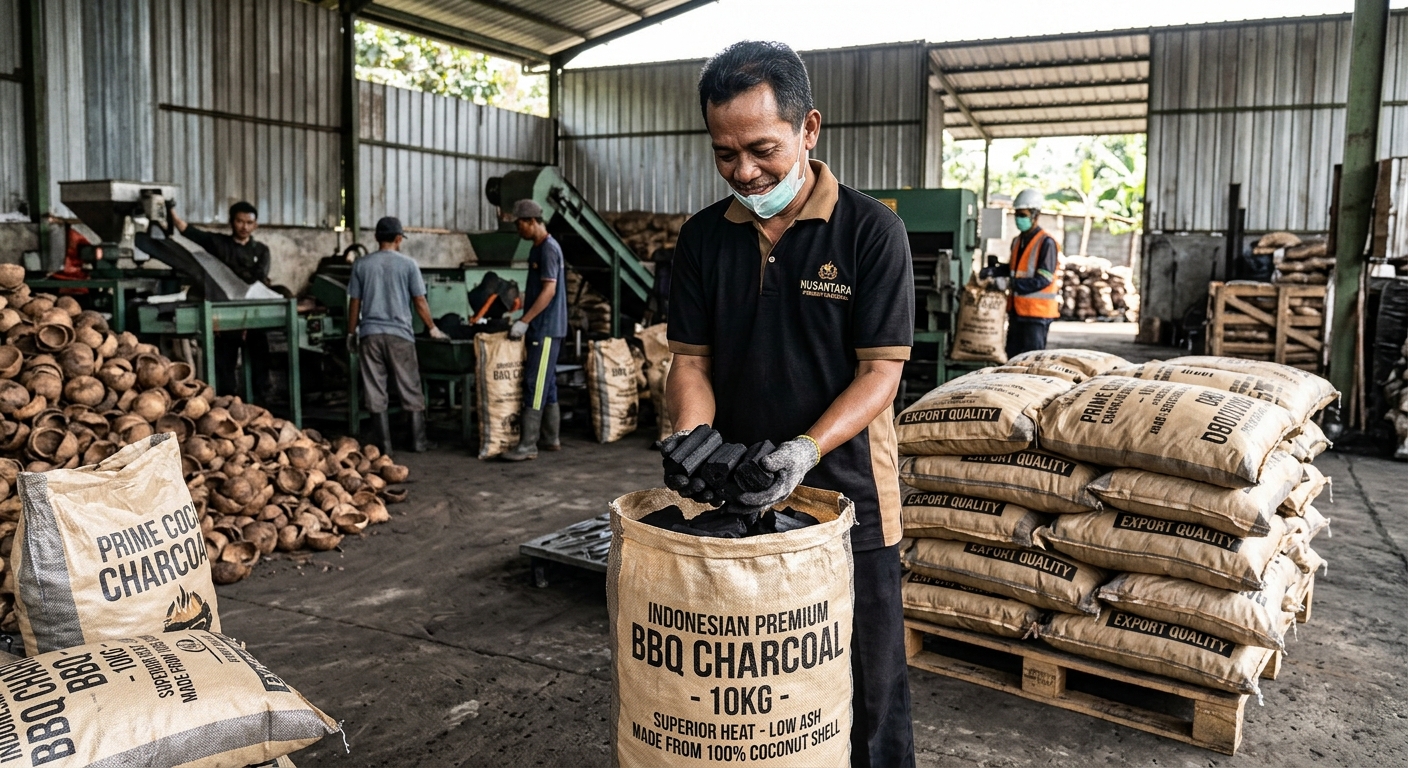
First and foremost, the quality of coconut shell charcoal from Indonesia is unparalleled. It is 100% natural, free from chemical additives, and produces virtually no smoke or sparks. This makes it highly desirable for indoor grilling and premium BBQ applications. Furthermore, the sustainability aspect is a massive selling point. By utilizing coconut shells that would otherwise be discarded as agricultural waste, suppliers are creating a value-added, eco-friendly product.
For those looking to source in large quantities, understanding the broader landscape of coconut-based goods is beneficial. We recommend reading A Comprehensive Guide to Bulk Sourcing Coconut Products in Indonesia to gain insights into the agricultural supply chain that supports charcoal production.
Types of BBQ Charcoal Available
Indonesian suppliers typically offer a variety of charcoal types tailored to different grilling needs. The two most common categories are Hardwood Lump Charcoal and Coconut Shell Briquettes. Understanding the differences between these two is essential for meeting your customers’ expectations.
Hardwood lump charcoal is made from natural woods like Halaban, Tamarind, or Mahogany. It lights quickly, burns very hot, and imparts a distinct smoky flavor to the food. On the other hand, coconut shell briquettes are manufactured by carbonizing coconut shells, crushing them into powder, mixing with a natural binder (like tapioca starch), and pressing them into specific shapes (hexagonal, cubic, or cylindrical).
Below is a comparison of the two primary types of BBQ charcoal sourced from Indonesia to help you make an informed purchasing decision.
| Charcoal Type | Average Burn Time | Ash Content | Maximum Heat Output | Smoke Level |
|---|---|---|---|---|
| Hardwood Lump Charcoal | 2-3 Hours | 3-5% | 750°C | Moderate |
| Coconut Shell Briquettes | 4-6 Hours | 1.5-2.5% | 800°C | Very Low |
Understanding Minimum Order Quantities (MOQ)
When dealing with international trade, managing expectations regarding order volumes is a critical step. Most reputable BBQ charcoal suppliers from Indonesia operate on a wholesale basis, meaning they require buyers to meet a Minimum Order Quantity (MOQ). MOQs are established to ensure that the production, packaging, and shipping processes are economically viable for both parties.
Typically, charcoal is shipped in 20-foot or 40-foot standard containers. A 20-foot container can hold approximately 18 metric tons of briquettes, depending on the packaging and palletizing requirements. As a buyer, you must factor in these volume requirements when planning your inventory and cash flow. For a deeper dive into this topic, please refer to the Comprehensive Guide to Indonesia Coconut Briquette Export MOQ, which outlines standard industry practices and negotiation strategies.
Custom Branding and OEM Opportunities
One of the most attractive aspects of working with an Indonesian BBQ charcoal supplier is the availability of Original Equipment Manufacturer (OEM) services. OEM allows you to purchase high-quality charcoal and have it packaged under your own brand name and logo. This is a highly effective way to build brand equity and customer loyalty in your local market.
Indonesian suppliers are highly experienced in custom packaging. They offer inner plastic wrapping, custom-printed master carton boxes, and tailored product shapes. You can specify the exact dimensions of the briquettes and the design of the retail packaging. To successfully navigate the custom branding process, you should consult the Comprehensive Guide to Coconut Charcoal Briquettes OEM in Indonesia. This resource will help you understand the design requirements, legal considerations, and quality control steps necessary for a successful OEM partnership.
Logistics and Export Procedures
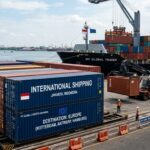
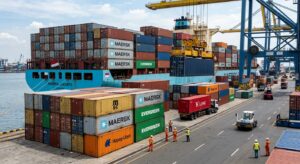
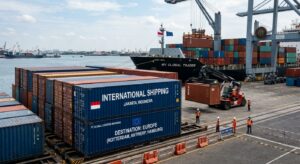
Finding the right product is only half the battle; getting it from a factory in Indonesia to your warehouse requires careful logistical planning. Exporting charcoal involves specific regulations, as charcoal is often classified as a dangerous good (combustible material) by international shipping lines. Therefore, proper documentation, including a Material Safety Data Sheet (MSDS) and a Self-Heating Test certificate (SHT), is mandatory.
Partnering with a reliable shipping agent who understands Indonesian customs and international maritime laws is indispensable. A knowledgeable forwarder will handle the complex paperwork, container loading, and customs clearance processes, ensuring that your cargo is not delayed at the port. To assist you in this crucial step, read the Comprehensive Guide to Choosing an Indonesia Freight Forwarder for Export.
Quality Control and Supplier Verification
When selecting a BBQ charcoal supplier from Indonesia, rigorous due diligence is required. The market is vast, and while there are many excellent manufacturers, quality can vary. You must verify that the supplier has a standardized production process and robust quality control (QC) measures in place.
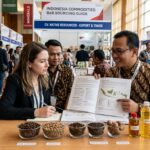
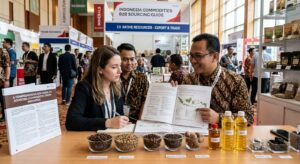
Requesting samples is the first step. Test the samples for ignition time, burn duration, ash color (white or light grey is preferred), and heat consistency. Additionally, ask for factory tours (even virtual ones) and check their certifications, such as ISO or FSC (Forest Stewardship Council) if you are buying wood charcoal. A transparent supplier will gladly share their testing reports and allow third-party inspections before shipment.
Conclusion
Sourcing from a reputable BBQ charcoal supplier from Indonesia offers immense potential for international buyers seeking premium, sustainable, and high-performance grilling fuel. By understanding the types of charcoal available, navigating MOQs, leveraging OEM services, and mastering export logistics, you can establish a highly profitable supply chain. Always prioritize quality control and clear communication with your supplier to build a lasting and mutually beneficial business relationship.
Frequently Asked Questions
Why is Indonesian coconut charcoal considered the best for BBQ?
Indonesian coconut charcoal is highly prized because it is made from mature, high-density coconut shells. This results in a briquette that burns hotter, lasts longer (up to 6 hours), and produces very little ash and smoke compared to traditional wood charcoal.
What is the typical lead time for an order of BBQ charcoal from Indonesia?
Lead times can vary depending on the supplier’s production capacity and your packaging requirements. Generally, it takes about 2 to 4 weeks to produce and package a 20-foot container, plus an additional 3 to 6 weeks for ocean freight depending on the destination port.
Can I order mixed shapes of briquettes in a single container?
Yes, many Indonesian suppliers allow you to mix different shapes (such as hexagonal for BBQ and cubic for shisha) within a single container. However, you should confirm this during the negotiation phase, as it may affect the overall production timeline and packing efficiency.
Are there strict regulations for shipping charcoal?
Yes. Charcoal is prone to self-heating and is classified under the IMDG (International Maritime Dangerous Goods) Code. Suppliers must pass a Self-Heating Test (SHT) conducted by an independent laboratory to prove the charcoal is safe for ocean transport before shipping lines will accept the booking.