

Introduction to B2B Sourcing in Indonesia
Indonesia has emerged as a powerhouse for global businesses seeking high-quality raw materials. With its rich natural resources, strategic geographic location, and rapidly developing infrastructure, the archipelago offers unparalleled opportunities for B2B sourcing. Whether you are looking for agricultural products, minerals, or specialized organic goods, understanding how to navigate the Indonesian market is crucial for establishing a resilient and profitable supply chain.
Sourcing raw materials from Indonesia B2B requires a strategic approach. Buyers must consider cultural nuances, regulatory frameworks, and logistical challenges. By partnering with reliable suppliers and leveraging the country’s vast resources, international companies can gain a significant competitive advantage. For those looking to connect with top-tier suppliers, partnering with Indonesian export specialists can streamline the entire procurement process.
Top Raw Materials Available in Indonesia
Indonesia is rich in a variety of raw materials that cater to numerous industries globally. Below is an overview of the most sought-after commodities:
Agricultural Products
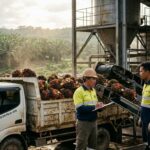
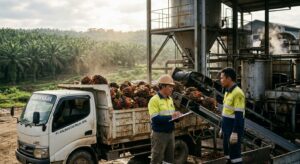
The agricultural sector is a cornerstone of the Indonesian economy. The country is one of the world’s leading producers of palm oil, rubber, coffee, cocoa, and spices. Additionally, coconut-derived products are highly prized in international markets. If your business requires these materials, reading A Comprehensive Guide to Bulk Sourcing Coconut Products in Indonesia will provide you with valuable insights into market dynamics and quality standards.
Minerals and Metals
Indonesia boasts significant reserves of coal, nickel, bauxite, and gold. The global shift towards electric vehicles has particularly increased the demand for Indonesian nickel, making it a critical component for battery manufacturing. B2B buyers in the industrial and technology sectors frequently look to Indonesia to secure these essential raw materials.
Sustainable and Eco-Friendly Materials
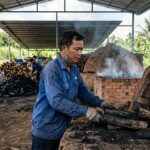
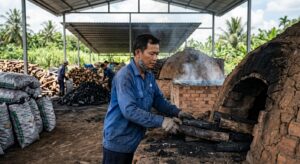
As global demand for sustainable products rises, Indonesia has become a key supplier of eco-friendly alternatives. One notable example is the production of charcoal briquettes from coconut shells, which offer a cleaner, longer-lasting burn compared to traditional charcoal. For a deeper dive into this specific market, check out A Complete Guide to Choosing a Coconut Shell Charcoal Briquettes Supplier in Indonesia.
Navigating the B2B Sourcing Process
Establishing a successful sourcing operation in Indonesia involves several critical steps to ensure quality, compliance, and cost-effectiveness.
Identifying and Vetting Suppliers
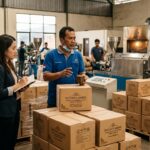
The first step is finding credible suppliers. Utilize B2B platforms, attend trade shows in Jakarta or Bali, and consult local trade associations. Once potential partners are identified, rigorous vetting is essential. This includes reviewing their business licenses, export certifications, production capacity, and past client testimonials. Conducting factory audits, either in person or through a trusted third-party inspection agency, helps guarantee that the supplier meets your quality and ethical standards.
Negotiation and Contracting
In Indonesian business culture, relationship-building (often referred to as ‘Guanxi’ in broader Asian contexts, though deeply rooted in local customs like ‘Gotong Royong’) is vital. Take the time to build trust before diving into hard negotiations. Contracts should clearly outline quality expectations, payment terms, delivery schedules, and dispute resolution mechanisms. It is highly recommended to involve legal counsel familiar with Indonesian commercial law to draft and review all agreements.
Understanding Logistics and Customs
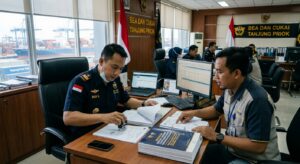
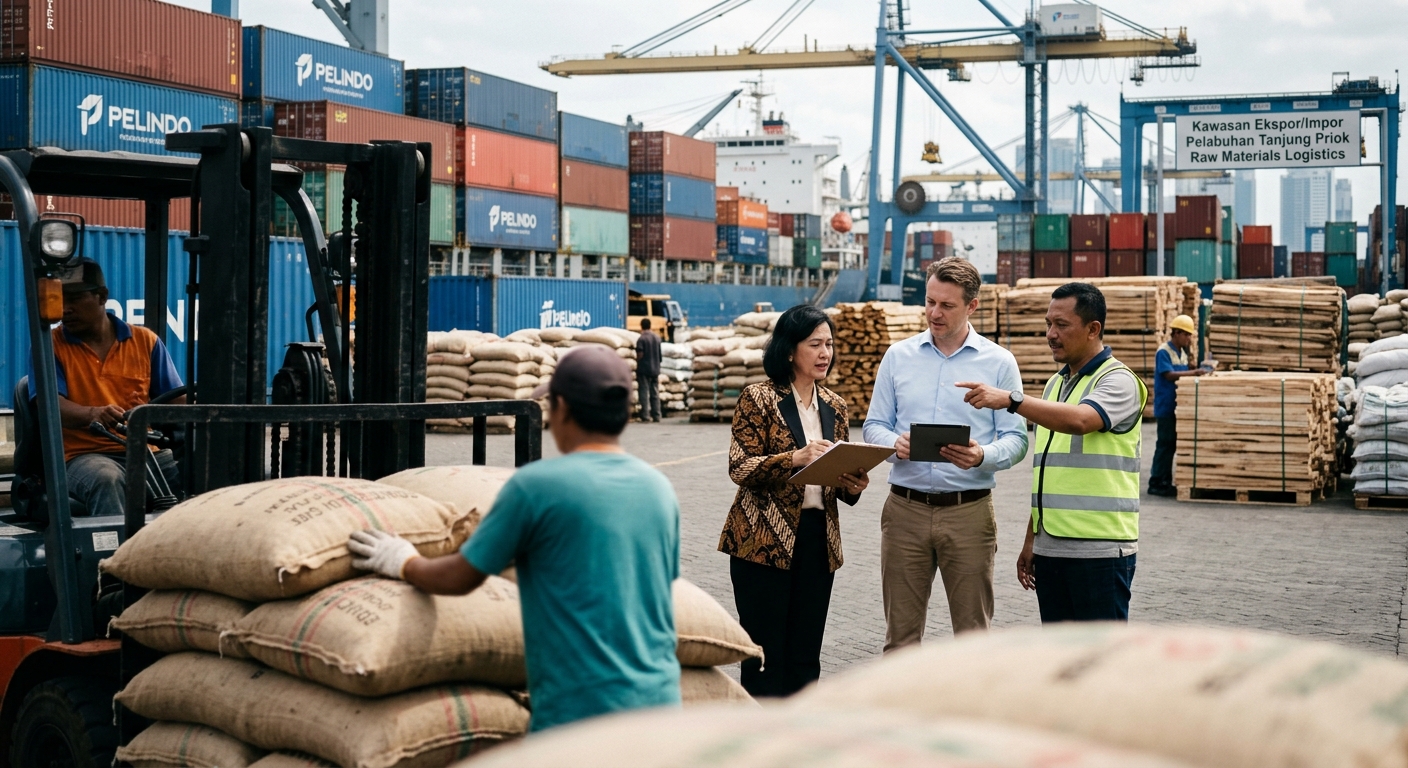
Logistics can be complex given Indonesia’s geography, comprising over 17,000 islands. A robust logistics strategy is required to move goods from rural production areas to major export ports like Tanjung Priok in Jakarta or Tanjung Perak in Surabaya.
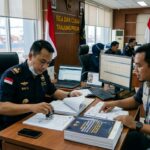
Furthermore, understanding the local customs regulations and export duties is paramount to avoid unexpected costs and delays. Tariffs and duties vary significantly depending on the product category. To ensure your financial models are accurate, review the Comprehensive Guide to Customs Duty Rates for Importing from Indonesia. Proper documentation, including Certificates of Origin, commercial invoices, and packing lists, must be meticulously prepared.
Advantages of Sourcing from Indonesia
- Cost-Effectiveness: Competitive labor and production costs allow for attractive pricing on high-quality raw materials.
- Diverse Resource Base: The sheer variety of available resources means buyers can often consolidate their sourcing needs within one country.
- Strategic Location: Proximity to major Asian markets facilitates efficient shipping routes and integration into regional supply chains.
- Government Support: The Indonesian government continues to implement policies aimed at easing foreign investment and streamlining export procedures.
Key Challenges and How to Overcome Them
While the benefits are substantial, B2B buyers must also be prepared to manage certain challenges:
| Challenge | Solution |
|---|---|
| Infrastructure Bottlenecks | Partner with experienced local freight forwarders who understand domestic transport networks. |
| Language and Cultural Barriers | Hire local sourcing agents or interpreters to facilitate clear communication and relationship building. |
| Regulatory Changes | Stay updated through legal advisors and trade associations regarding shifting export policies and tariffs. |
| Quality Consistency | Implement strict quality control measures, including pre-shipment inspections and clear, contractually bound quality parameters. |
Conclusion
Sourcing raw materials from Indonesia B2B presents a wealth of opportunities for global enterprises looking to diversify their supply chains, reduce costs, and access unique, high-quality products. By conducting thorough due diligence, building strong local relationships, and understanding the regulatory landscape, businesses can mitigate risks and establish long-term, mutually beneficial partnerships. As Indonesia continues to develop its infrastructure and integrate further into the global economy, its role as a premier sourcing destination will only grow stronger.
Frequently Asked Questions (FAQ)
What are the primary raw materials exported from Indonesia?
Indonesia primarily exports agricultural products such as palm oil, coffee, cocoa, and rubber, alongside minerals like coal, nickel, and gold. Eco-friendly products like coconut shell charcoal are also growing in popularity.
Do I need a local agent to source materials from Indonesia?
While not strictly mandatory, hiring a local sourcing agent is highly recommended. They can help navigate language barriers, cultural nuances, supplier vetting, and complex local logistics, significantly reducing your risk.
How can I ensure the quality of raw materials sourced from Indonesia?
To ensure quality, implement a comprehensive vetting process, request product samples before placing bulk orders, conduct factory audits, and utilize third-party inspection services for pre-shipment quality control.
What should I know about shipping goods out of Indonesia?
Shipping from Indonesia requires navigating domestic logistics across multiple islands to reach major international ports. It is crucial to work with experienced freight forwarders and fully understand the required export documentation and customs duty rates to prevent delays.